Photo:PTI
A recent report by Skyscanner has revealed a significant shift in Indian travel preferences, with 82% of Indian travellers in 2025 opting for cultural experiences over conventional sightseeing. This trend highlights a growing desire among travellers to connect with India's rich heritage and traditions.
Celebrating Iconic Festivals
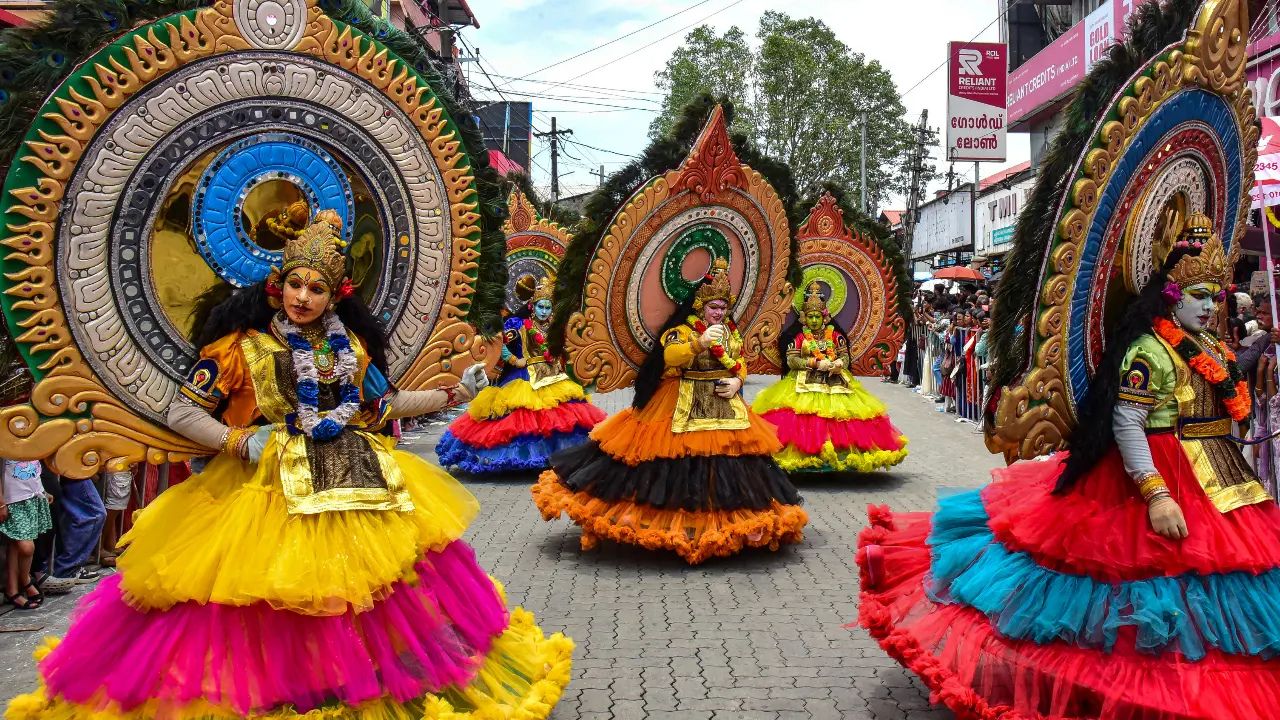
Among the most sought-after cultural experiences are India's iconic festivals. The Durga Puja in Kolkata stands out, attracting 53% of travellers. This grand celebration, marked by elaborate pandals, traditional rituals, and vibrant processions, offers a deep dive into Bengali culture and spirituality.
Other notable festivals include Lathmar Holi in Barsana (51%) and Onam in Kerala (35%). Lathmar Holi is renowned for its unique traditions and lively celebrations, while Onam showcases Kerala's rich cultural tapestry through its boat races, traditional dances, and grand feasts.
Exploring Lesser-Known Traditions
Beyond the mainstream festivals, lesser-known regional traditions are gaining popularity. In Karnataka, the Bhoota Kola—a ritualistic dance performed to appease local spirits—is drawing interest for its unique blend of spirituality and performance art. Similarly, Theyyam in north Kerala and Chikhal Kalo in Goa offer immersive experiences into the indigenous cultures and rituals of these regions.
The Shift Towards Authentic Experiences
Industry experts attribute this shift to a desire for authenticity. Aashika Sripathi, founder-director of Gosmiles.in, notes that over 50% of their inquiries now revolve around itineraries centered on offbeat festivals and cultural experiences. Travellers are increasingly seeking immersive, 360° cultural experiences, including heritage village stays, culinary trails, and participation in local festivals.
Family-Centric Travel
The report also highlights a preference for family-centric travel, with 71% of respondents indicating they prefer to travel with family. This trend underscores the importance of shared cultural experiences in fostering deeper connections and understanding among family members.
Conclusion
As Indian travellers seek more meaningful and culturally enriching experiences, the tourism industry is witnessing a paradigm shift. This growing inclination towards cultural immersion not only promotes sustainable tourism but also ensures the preservation and appreciation of India's diverse heritage.