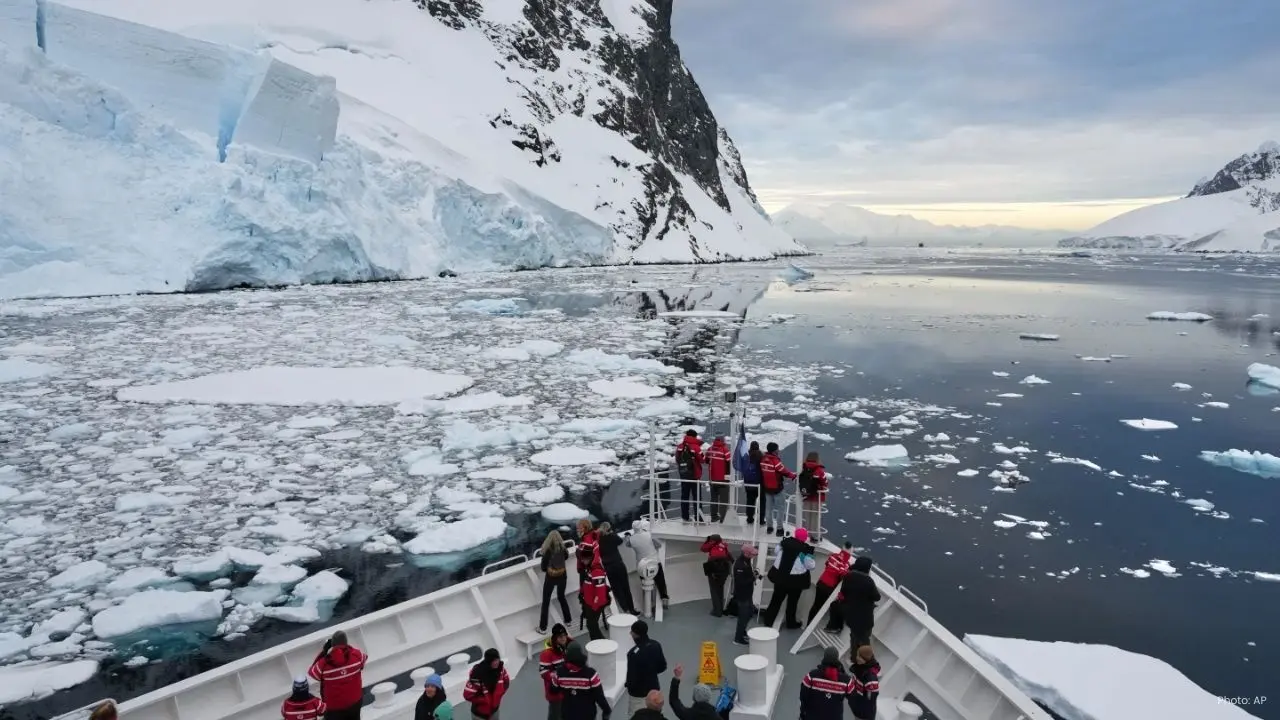
Antarctic tourism is witnessing a rapid growth spurt, fueled by fears that its icy terrains may vanish due to climate change. However, experts caution that this influx of visitors could bring significant dangers, including ecological harm, contamination, and potential disease outbreaks.
Even though traveling to Antarctica is still costly and challenging, the number of tourists is burgeoning. Scientists and environmentalists are sounding the alarm as more individuals venture into this vulnerable area.
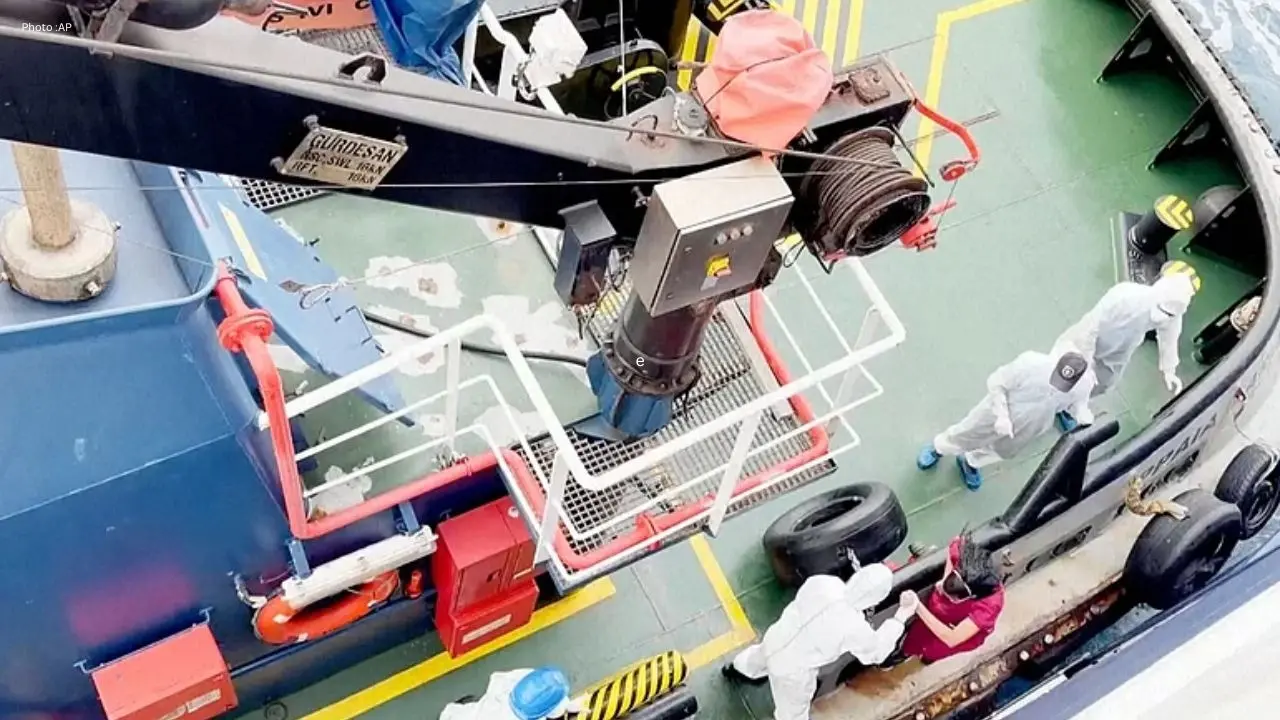
A recent episode involving the cruise ship MV Hondius has brought these issues to the forefront, with a rare hantavirus outbreak occurring during an extensive polar expedition, raising global awareness regarding the hazards associated with Antarctic travel.
Most tourists head to the Antarctic Peninsula, known as one of the most rapidly warming places on Earth. NASA reports that between 2002 and 2020, Antarctica lost approximately 149 billion metric tons of ice each year.
Typical journeys include departing from Argentina towards Antarctica and then navigating north along the African coast.
The region’s unique wildlife and striking landscapes—featuring whales, seals, penguins, and vast icebergs—continue to draw visitors. Environmental advocate Claire Christian notes that these sights, although rare, create lasting impressions on travelers.
Tourism numbers have surged significantly, with over 80,000 tourists in Antarctica in 2024, along with an additional 36,000 observing from ships, according to the International Association of Antarctica Tour Operators. In the past three decades, this sector has expanded nearly tenfold.
Experts predict this figure could exceed 400,000 annual visitors in the next ten years as travel becomes more affordable and advanced ships come into service. A number of travelers are driven by "last chance tourism," eager to glimpse Antarctica before its significant changes.
However, increased human activity elevates the risk of contamination. Diseases such as avian flu have already permeated Antarctica through migrating birds, as reported by the Centers for Disease Control and Prevention.
To safeguard both visitors and the environment, tour operators have enacted strict hygiene protocols. Travelers are required to meticulously clean their footwear and equipment to prevent the introduction of harmful microbes, seeds, or insects. Additionally, guests are advised to keep a safe distance from wildlife and to minimize unnecessary contact with the ground.
Health risks also present a significant concern. The close quarters aboard cruise ships can facilitate the quick spread of infections. Previous outbreaks, such as COVID-19 on the Diamond Princess, illustrate how swiftly viruses can proliferate in such settings.
The World Health Organization is actively investigating the hantavirus outbreak associated with the MV Hondius, with officials suspecting that the initial infected passenger may have contracted the virus prior to boarding.
Antarctica is safeguarded under the Antarctic Treaty System, established in 1959 to maintain the continent for peaceful and scientific endeavors. Nevertheless, experts contend that these regulations were conceived when tourism was significantly lower.
Environmental organizations are now advocating for stricter measures to shield Antarctica’s delicate ecosystem, including its penguins, whales, seabirds, seals, and krill.
Despite the myriad concerns, the allure of visiting Antarctica remains robust. Experts caution that even a single footprint can linger for decades, emphasizing the sensitivity of this environment.