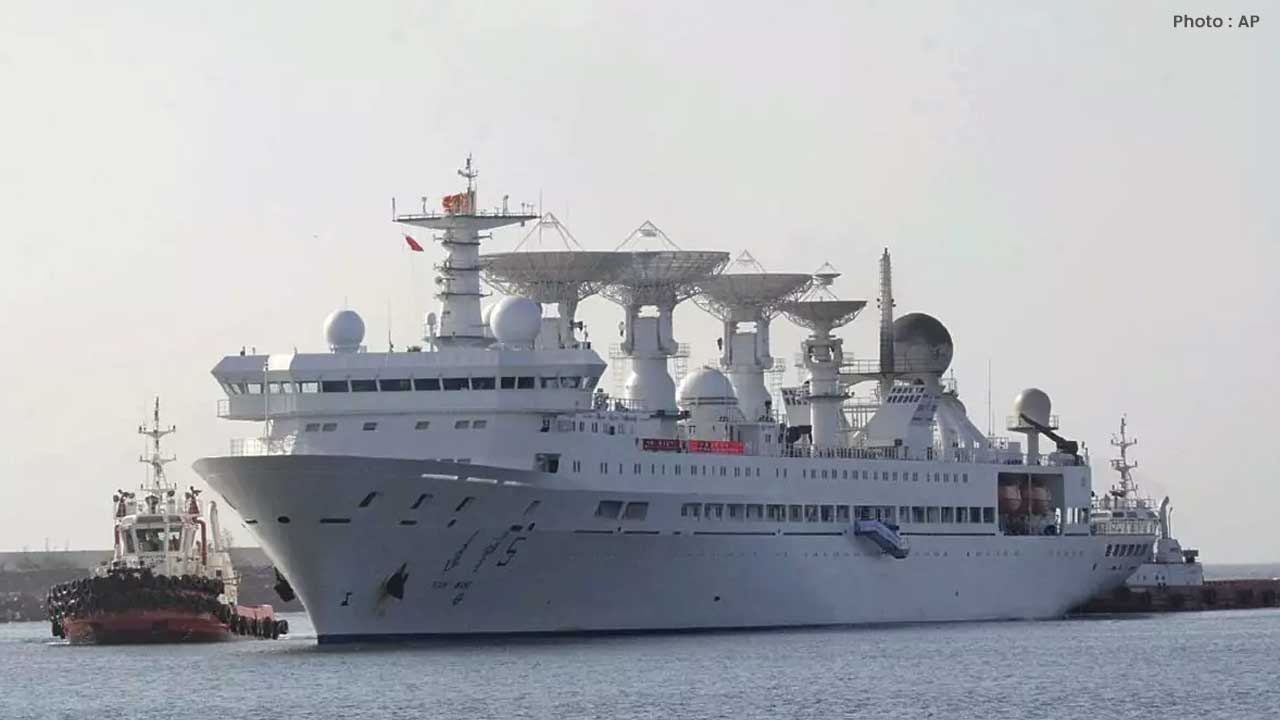
In the previous month, five Chinese research ships were spotted operating in the northwest Pacific, as reported by a Guam-based security organization. These vessels, which are equipped for both missile tracking and underwater research, coincided with a surge in US military operations in the same area.
These ships are designed for dual functions—scientific investigation and military intelligence collection. Experts argue that they enable China to acquire valuable strategic information while ostensibly engaging in civilian research. Such a presence points to the rapid militarization trend in the northern Pacific, an evolution that analysts believe has not garnered sufficient international focus.
The Pacific Center for Island Security has cautioned that escalating military activities could endanger island populations in the event of a conflict among superpowers. The organization stressed the importance of transparency and monitoring to mitigate the risk of incidents or misunderstandings.
The United States has ramped up naval drills and collaborations with its allies in the northwest Pacific. Analysts indicate that the simultaneous activities of Chinese research ships along with US military presence epitomize the ongoing strategic rivalry between the two countries.
The northwest Pacific serves as a vital region for global shipping, scientific endeavors, and military operations. China has consistently intensified its naval and research capabilities there, often deploying technologies on its vessels suitable for reconnaissance and intelligence-gathering.
Security experts warn that both nations need to manage their engagements carefully to prevent miscommunications. Local island populations are particularly at risk, given their close proximity to important waterways and military exercises.
This uptick in activity points to the mounting tensions in the Pacific and underscores the critical need for vigilance by global governments and organizations. The area is quickly becoming a focal point for both scientific inquiry and international security issues.