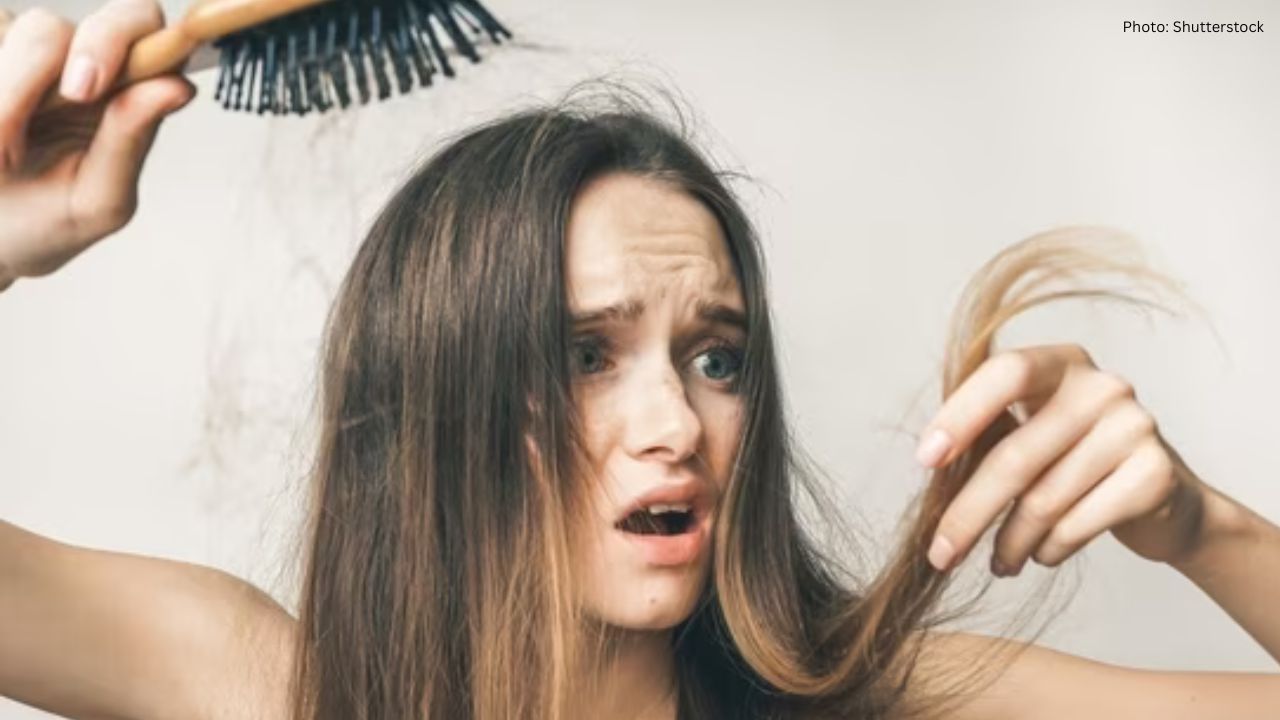
As individuals reach their 30s, many notice an uptick in hair loss. Whether it's thinning hair, receding hairlines, or finding more strands on pillows, this phenomenon can be disheartening, particularly if it occurs earlier than anticipated. Experts assert that this challenge is prevalent and often stems from a combination of stress, hormonal fluctuations, daily habits, and genetics.
The decade of the 30s can be notably hectic. Juggling career commitments, family obligations, financial planning, and personal aspirations may escalate mental stress levels. Medical professionals explain that increased stress results in higher cortisol levels, a hormone that significantly influences hair vitality. Elevated cortisol hinders the delivery of nutrients and blood to hair follicles. Stress often disrupts sleep patterns, which are crucial for hair growth and repair, further exacerbating hair loss. Additionally, stress may lead to tightness in scalp muscles, further reducing blood flow to hair follicles.
Hormonal shifts also play a critical role in hair health. During this period, women, in particular, may start experiencing changes in estrogen and progesterone levels. These hormones are essential for maintaining strong and lush hair. A decline in these hormones, coupled with higher stress hormone levels, can impede hair growth and contribute to increased shedding. Experts note that hormonal hair loss varies from person to person, making a universal solution elusive.
Lifestyle factors heavily influence hair health as well. Irregular sleep patterns, inadequate nutrition, smoking, high coffee intake, lack of physical activity, and extreme dieting can deprive hair follicles of vital oxygen and nutrients. Dermatologists often observe that individuals in their 30s facing hair loss frequently exhibit deficiencies in iron, protein, vitamin D, or B vitamins. Additionally, frequent heat styling, chemical treatments, and hair dyeing can compromise hair shafts, causing them to appear thinning and frail.
Genetics also plays a crucial role in hair loss. If thinning or pattern baldness is prevalent in one’s family history, initial signs can manifest in the 30s. While genetics establishes a foundation for hair health, stress and lifestyle choices can hasten hair loss, making it more apparent.
Experts strongly recommend proactive care as soon as signs of thinning hair become evident. A nutritious diet rich in protein, iron, fruits, vegetables, and healthy fats is essential for nurturing hair roots. Gentle oil massages on the scalp at least twice a week can enhance circulation. Incorporating stress-reducing activities such as walking, yoga, stretching, or simple breathing exercises before bedtime can lower cortisol levels and promote hair growth.
Should hair fall persist despite lifestyle adjustments, it is advisable to consult a dermatologist. Medical interventions, nutritional aids, and advanced treatments such as PRP therapy may be effective in mitigating hair loss and fortifying existing strands. Together with proper nutrition, stress management, and regular scalp care, these strategies can bolster long-term hair health and yield noticeable improvements over time.