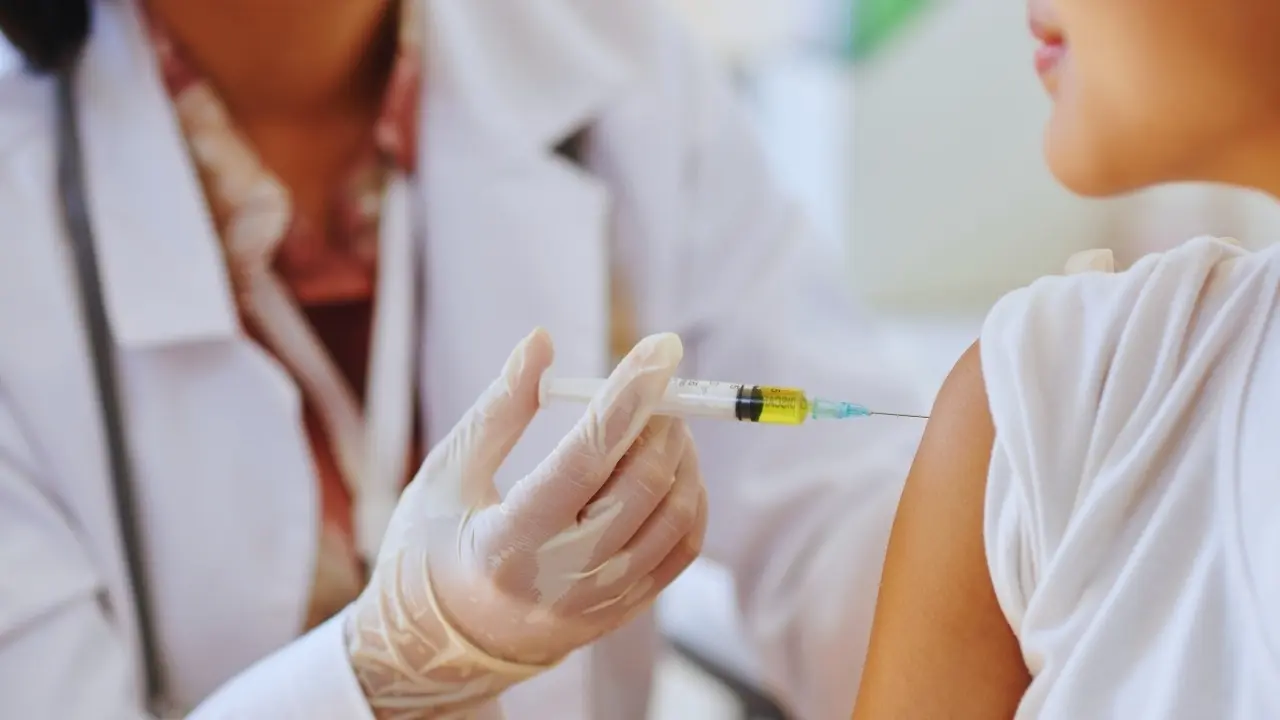
The Significance of Recent Vaccine-Safety Updates
This week, the healthcare community turned its focus to vaccine safety as authorities unveiled crucial findings on immunisation results for various demographics. While no new vaccines were introduced, the updates provided essential clarifications on safety profiles and addressed prevalent concerns, thereby enhancing public knowledge on how to best navigate seasonal immunisations.
The immediate response was notable. Families revisited vaccination timelines, clinics saw a spike in inquiries, and workplaces initiated discussions around their seasonal health strategies. Far from instilling fear, these updates facilitated informed choices during a time when flu viruses and respiratory ailments are prevalent.
This article delves into how these updates are influencing vaccination behaviours and their broader implications for individuals, families, and public health management.
Key Takeaways from the Latest Vaccine-Safety Updates
The updates focused on three main points:
1. Robust Safety Records for Seasonal Vaccines
Officials reaffirmed that seasonal vaccines, particularly flu shots, maintain strong safety profiles for:
Reported side effects have remained mild and transient, often manifesting as slight fever, arm soreness, or temporary fatigue.
2. Enhanced Monitoring Mechanisms
The updates have highlighted improvements in reporting systems that monitor:
Adverse events
Post-vaccine reactions
Batch consistency
Age-adjusted responses
These advancements in monitoring provide reassurance that any potential issues are quickly identified and transparently assessed.
3. Clear Recommendations for At-Risk Populations
Individuals with pre-existing conditions, including asthma, diabetes, or compromised immunity, received refined guidance on vaccination timing, dosage, and the suitability of specific vaccines.
These clarifications facilitate tailored immunisation strategies by healthcare providers.
How These Updates Impact Current Immunisation Trends
1. Proactive Flu Shot Planning
With the emphasis on strong safety data, families are increasingly opting for early flu shots. Clinics have reported:
This messaging has notably reduced hesitancy concerning the timing of immunisations.
2. Boosted Confidence Among Seniors
The senior demographic has demonstrated increased readiness to book vaccinations following reassurances about age-specific safety records.
3. Parental Inquiries for School-Age Children
Parents, particularly those with school-aged children in crowded environments, have actively sought information on:
Optimal vaccination timing
Appropriate vaccine types
Management of minor side effects
Protection against seasonal diseases
The clarity provided by updated safety data has simplified decision-making for parents.
4. Enhanced Workplace Vaccination Programs
Companies with health policies are revising their seasonal vaccination initiatives. HR departments are integrating recent safety information into internal communications, boosting employee participation.
5. Renewed Emphasis on High-Risk Individuals
People with respiratory issues, cardiac conditions, or diabetes are increasingly seeking updated advice, promoting adherence to vaccination schedules.
The Importance of These Safety Updates for Seasonal Health
Seasonal illnesses, particularly respiratory infections, tend to surge at certain times of the year. Vaccine safety updates play a vital role in influencing public behaviour by:
Alleviating hesitancy
Encouraging timely immunisation
Promoting consistent healthcare strategies
Helping the public understand expected reactions
Ensuring better protection for at-risk groups
Clear communication ensures vaccinations are not delayed until illnesses are actively circulating.
Clinics' Reactions to Recent Updates
Healthcare providers have modified their practices in response to the heightened focus this week:
In-Depth Consultations
Healthcare professionals are dedicating more time to discussing vaccine safety, expected reactions, and the necessity of scheduling.
Refined Pre-Screening Processes
Clinics are revising health questionnaires to ensure tailored advice for individuals with chronic health issues.
Improved Post-Vaccination Instructions
Patients are receiving better guidance on rest, hydration, and monitoring mild symptoms after vaccination.
Streamlined Appointment Management
To meet increased demand, many clinics are extending working hours or introducing quicker walk-in procedures.
Public Queries Addressed by Recent Updates
“Is the flu vaccine still safe?”
Indeed. This week’s safety data confirmed its effectiveness across all age demographics, showing mostly minor side effects.
“Must I get vaccinated every year?”
Yes. Seasonal viruses evolve, and immunity from previous vaccinations diminishes over time.
“Can individuals with chronic conditions receive seasonal vaccines?”
Generally, yes—tailored timing and monitoring based on doctor recommendations apply.
“Do long-term side effects exist?”
No significant long-term risks have been linked to widely-used seasonal vaccines.
“Is it safe for children?”
Absolutely. Updated safety assessments endorse safe administration in school-age children and younger, according to national guidelines.
The Emotional Effects of Safety Updates
Vaccines serve not only as medical interventions but also impact emotional and behavioural choices. This week’s updates provided:
Relief for concerned parents
Reassurance for at-risk individuals
Confidence for senior citizens
Reduction of misinformation on social media
Strengthened trust in healthcare systems
Clear communication fosters a sense of control over health decisions.
The Importance of Immunisation Timing This Season
The new data has highlighted that timing is crucial for seasonal protection. Early vaccination allows the body to develop immunity before the height of seasonal illnesses. The recent updates have prompted many to adjust their vaccination timelines appropriately.
Looking Ahead: The Impact of These Updates
As the season unfolds, the influence of this week’s vaccine safety updates is expected to persist:
More individuals opting for early vaccinations
Higher engagement in community vaccination initiatives
Improved immunisation rates for at-risk groups
Fewer last-minute vaccination rushes
Increased trust in accurate health updates
Public health authorities may also issue further guidelines as new information becomes available.
Final Thoughts
This week’s updates on vaccine safety offered essential clarity as the wave of seasonal illnesses begins. By reinforcing robust safety records, providing improved directives for vulnerable populations, and enhancing transparency, these updates empower individuals to make confident immunisation choices.
Seasonal vaccines stand as one of the most effective means to avert illness, safeguard at-risk groups, and alleviate pressure on healthcare services. Thanks to this week's insights, individuals approach vaccinations with renewed confidence and preparedness.
DISCLAIMER:
This article serves for informational purposes only. Immunisation choices should always be made in partnership with qualified healthcare providers tailored to individual health circumstances.