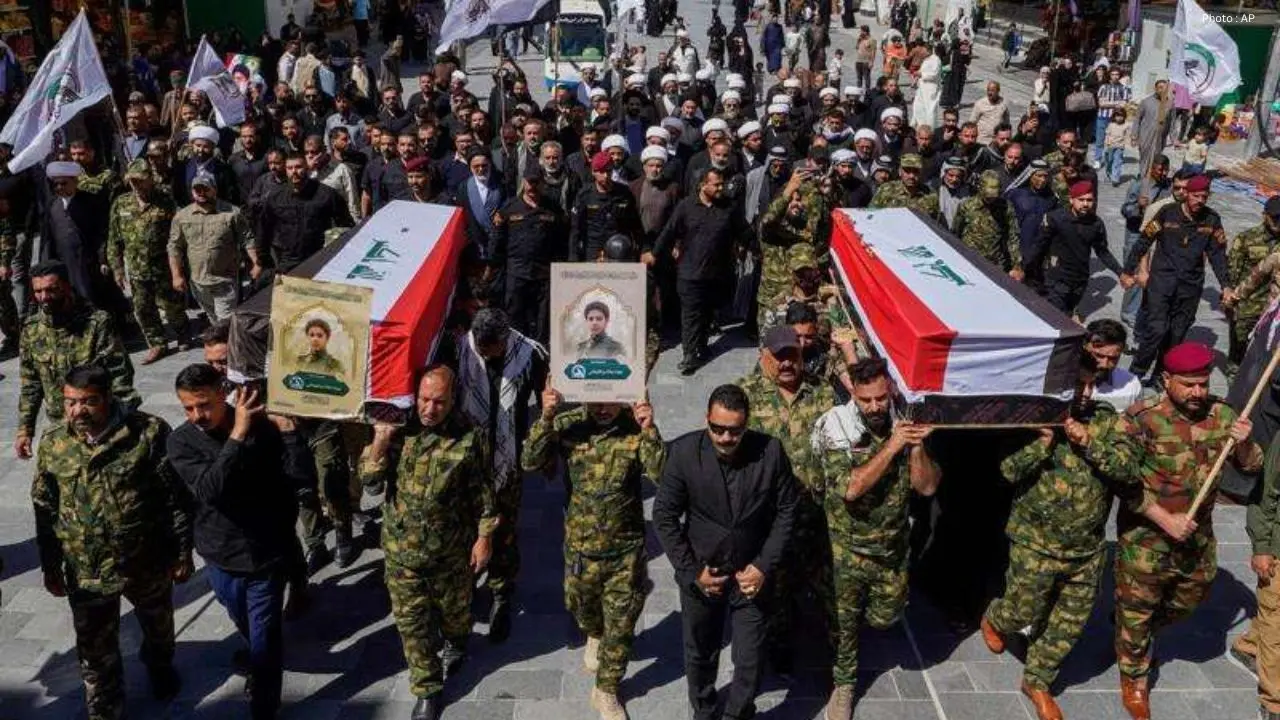
The escalating conflict involving Iran is intensifying difficulties in Iraq, where Iran-aligned armed groups are increasing their influence. As tensions mount, these militias are stepping into more prominent roles, triggering worries over regional stability and security.
Recent reports indicate that Iran has granted its commanders in Iraq greater autonomy, allowing various militia factions to operate with more independence without awaiting direct instructions. Analysts believe this change is influenced by the broader conflict pressures and the urgency for quicker tactical responses.
These militias belong to a longstanding network. Some are associated with the Popular Mobilization Forces, created to combat extremist threats previously. Over the years, specific factions within this network have fostered close relations with Iran, becoming increasingly involved in regional skirmishes.
With escalating tensions, attacks attributed to these groups have surged. They have targeted foreign military installations and vital sites, resulting in recurring confrontations. This has positioned Iraq as a significant arena for broader geopolitical frictions.
The Iraqi government confronts a challenging task of balancing competing powers while striving for internal stability. Some of these militias wield substantial political sway in the country, complicating any strict measures against them.
The enhanced power of these factions raises questions regarding national sovereignty. When armed groups operate with foreign backing, it poses risks to the nation’s autonomy. Experts caution that Iraq could become a battleground for proxy conflicts, with major powers indirectly influencing the situation through local militias.
The effects extend beyond government and security realms. Civilians are grappling with the ramifications of escalating tensions. Frequent assaults and pervasive uncertainty disrupt daily life, impacting businesses and economic progress, leaving communities engulfed in fear and chaos.
In response, the United States has ramped up pressure on these militias through military measures and sanctions. It has urged Iraq to exert stronger authority over the armed entities within its borders. However, this strategy carries risks, potentially leading to heightened conflict.
Simultaneously, nations across the Middle East are monitoring the developments closely. An uptick in violence in Iraq could swiftly reverberate throughout the region, raising alarms that ongoing tensions might spiral into a larger, multi-national conflict.
The emergence of militias in Iraq illustrates the intricate nature of contemporary conflicts, where local dynamics interplay with global issues. The ongoing struggle to maintain security, political balance, and regional power remains pivotal in shaping the situation, making a swift resolution challenging.