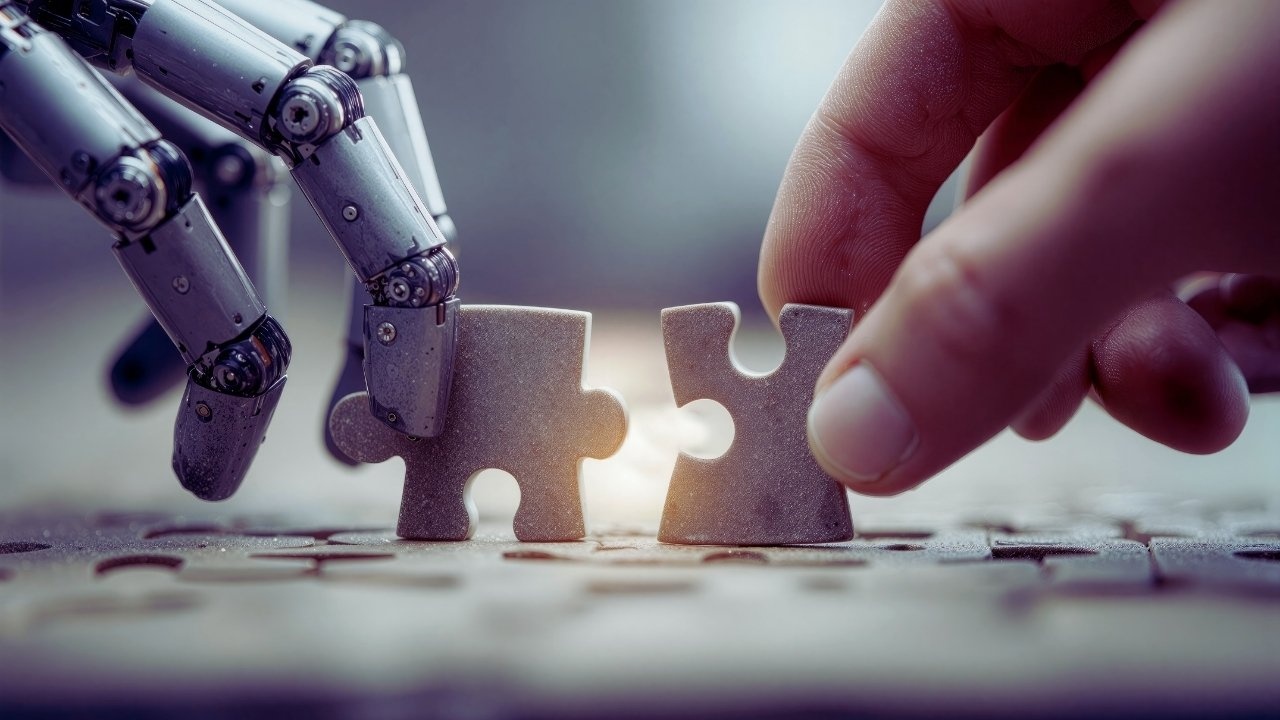
When Machines Start to Care
Robotics is moving beyond mere efficiency. Today, engineers are crafting machines that respond to feelings, adapt to moods, and fit into daily life with a gentle touch. The phrase human-centric robotics describes this shift: technology shaped around people’s emotional and practical needs, not the other way around.
At the intersection of AI, behavioural science and design, this field aims to make robots feel like thoughtful aides—present in hospitals, homes and offices to support human wellbeing rather than overshadow it.
Understanding Human-Centric Robotics
Put simply, human-centric robotics prioritizes people. These systems are designed to learn from interactions, accommodate human routines and respond in ways that respect emotions and dignity.
Unlike traditional industrial machines built for speed and uniform output, these robots share spaces with people, read nonverbal cues and adapt their reactions so humans don’t have to conform to rigid technology.
By combining insights from neuroscience, social science and machine learning, developers hope to build devices that feel reliable and relatable.
From Automation to Collaboration
Robots have long replaced repetitive or hazardous tasks. The emerging idea is not substitution but partnership—machines that free humans for creative and judgment-based work.
Collaborative robots, or “cobots,” already take on monotonous and risky jobs, leaving people to do the thinking and empathic work machines can’t. Human-centric design extends collaboration by adding emotional awareness—enabling robots to react to tone, gesture and context in real time.
Robots in Healthcare: Restoring Compassion Through Technology
Healthcare offers one of the clearest benefits. Robots can handle routine monitoring, medication delivery and simple companionship, spotting changes in a patient’s behaviour or vitals and notifying caregivers when needed.
Far from replacing nurses, these helpers can reduce repetitive burdens and create more space for meaningful human interaction—allowing staff to focus on bedside care and emotional support.
The Emotional Intelligence Revolution
Emotion-aware robots use algorithms to interpret facial expressions, voice patterns and posture, allowing them to adapt conversations and actions for greater comfort and effectiveness.
In the workplace, such machines might notice signs of stress and suggest breaks or wellbeing resources. The goal is to build tools that understand people, not manipulate them—technology that supports mental health rather than exploiting it.
Designing for Empathy and Trust
How a robot looks and moves shapes our willingness to accept it. Designers are choosing soft materials, approachable gestures and friendly tones to foster trust and reduce intimidation.
Trust grows when machines clearly communicate intent and respect privacy. Many teams now draw on behavioural science to embed social cues—eye contact, pauses, gentle humour—so interactions feel natural and respectful.
AI Integration: The Brain Behind Human-Centric Robotics
AI is the nervous system of these machines. Through deep learning and natural language processing, robots can personalise responses, anticipate needs and learn from repeated interactions.
Whether in hotels, schools or clinics, adaptable AI lets robots tailor their behaviour to individual preferences, making them more useful and less intrusive where emotional nuance matters most.
Ethical Challenges: When Machines Mimic Humanity
The closer robots come to human-like empathy, the more ethical questions arise. Should we let machines emulate feelings? Is simulated comfort acceptable when no real emotion exists?
Experts caution about over-dependence—especially among children and the elderly—and stress transparency: people must know they’re interacting with a machine. Protecting sensitive data and setting clear ethical standards will be essential to keep technology beneficial and safe.
Industrial Adaptation: A New Age of Smart Workspaces
Across industries, robots are being integrated to make jobs safer and more humane. On construction sites they can assist with heavy lifting while avoiding hazards; in factories they adapt to workers’ speed and reduce fatigue.
These changes aim not just for productivity gains but for workplaces that preserve human wellbeing alongside output.
Education and Emotional Learning
In classrooms, socially aware robots can support children with learning differences or autism by offering patient, interactive exercises that build communication and emotional skills.
Unlike static tools, these devices respond in the moment—using play and feedback to make learning more engaging and confidence-building.
Cultural and Societal Shifts
Emotionally intelligent robots will reshape social expectations. In ageing societies they could provide companionship and assistance; elsewhere, cultural attitudes will determine how readily communities accept robotic helpers.
Sensitivity to local values and careful policy design will help ensure these technologies fit diverse social fabrics rather than disrupt them.
The Future: Human and Machine in Harmony
The promise of human-centric robotics is supportive technology that amplifies human strengths—empathy, creativity and judgment—rather than replacing them.
Picture hospitals where robots manage logistics so clinicians can offer more bedside care, or classrooms where emotionally responsive tutors help every child learn at their own pace. By 2030, such assistants could be as woven into daily life as smartphones.
Well-designed robots won’t erase our humanity; they can help us practice it more fully.
Disclaimer
This article is intended for general information and does not replace professional guidance. Readers should consult specialists for detailed advice on AI ethics, robotics development or implementing human-robot collaboration.