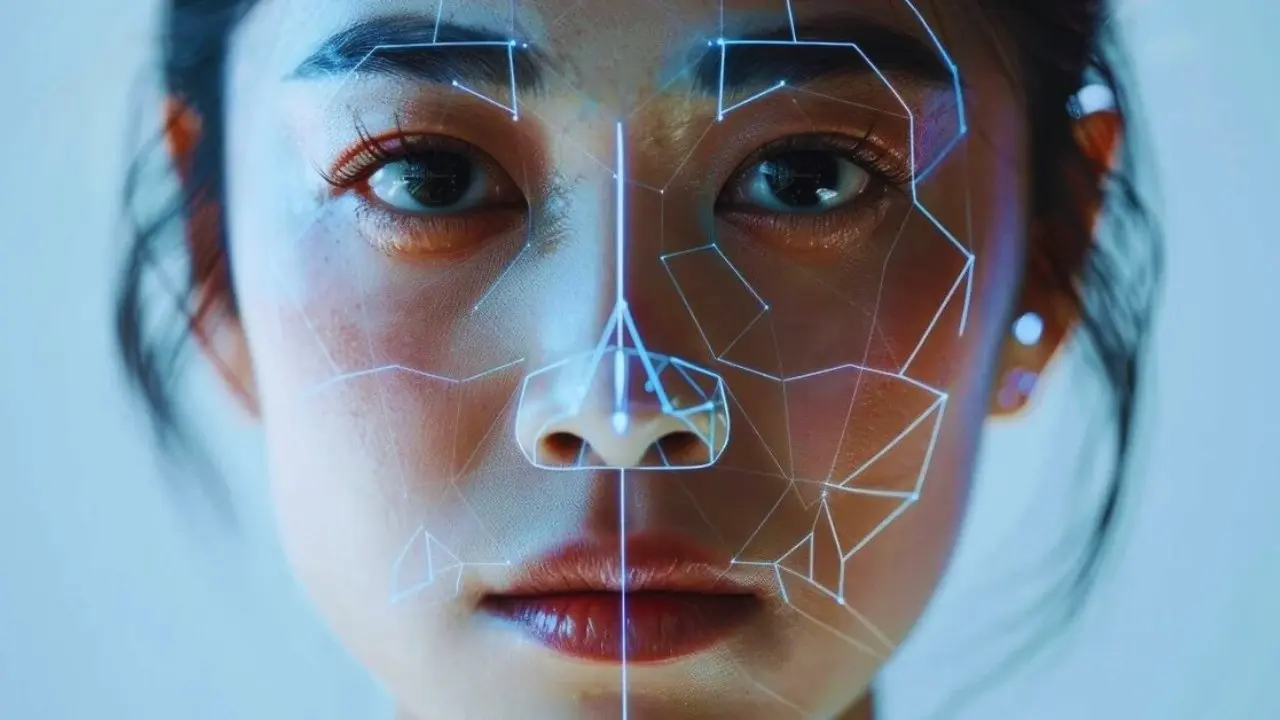
A Wake-Up Call: Understanding This Week's Deepfake Incident
A manipulated video made waves on social media this week, stirring heated discussions and creating confusion. For several hours, users debated its authenticity, with differing opinions on its realness. It was only after experts confirmed it as a deepfake that the focus shifted to a critical question:
How can everyday individuals spot deepfakes before sharing or believing them?
This incident highlighted the reality that deepfakes are becoming increasingly accessible, not just for tech enthusiasts. They can emerge from any online source and spread with stunning speed. Featuring recognizable figures or dramatic contexts, these videos can easily mislead viewers.
This article simplifies the process of detecting deepfakes, making it approachable for anyone—no advanced tech skills needed, just a bit of awareness and patience. With millions misled recently, these steps are vital now more than ever.
Defining Deepfakes
Before diving into detection methods, it’s essential to grasp the definition of a deepfake.
Deepfakes are artificially created videos that swap a person’s voice or face, making it appear they did or said something they didn’t. While some are obvious fakes, others can be very convincing, posing challenges even for discerning viewers.
These videos often surface during:
-
Divisive political events
-
Celebrity scandals
-
Breaking news
-
Trending social media topics
-
Emotionally charged situations
Because deepfakes often play on curiosity and shock, they spread rapidly—leaving skepticism behind.
However, with the right knowledge, anyone can learn to identify them.
YOUR STEP-BY-STEP GUIDE
Step 1: Check the Eyes
The recent viral incident underscores a significant tell: the eyes can feel “off.”
Deepfake creators often struggle with:
Be on the lookout for:
-
Long periods without blinking
-
Strange blinking patterns
-
Disinterest in focusing on objects
-
Flat or lifeless pupils
Humans typically have dynamic eye movements—deepfakes often do not.
Step 2: Analyze Lip Movement
Deepfakes struggle with authentic lip-sync.
Look for:
This week’s deepfake incident had noticeable delays in mouth movement—something many missed.
Step 3: Observe the Face's Edges
Check the lighting around the face, which can often be inconsistent in deepfakes.
Examine:
-
Jawline
-
Hairline
-
Neck area
-
Ears
If any of these appear:
Deepfake overlays often fail to mix hair and shadows seamlessly.
Step 4: Look for Unnatural Skin Texture
Human skin usually features:
-
Pores
-
Fine lines
-
Shine variations
-
Minor imperfections
Conversely, deepfakes can appear:
A “CGI” appearance indicates something is off.
Step 5: Watch for Odd Head Movements
Deepfakes can cause heads to:
If a head feels disconnected from the body, it’s a warning sign.
Step 6: Be Aware of Emotion Mismatches
True human emotions include:
Deepfakes often miss these nuanced emotional cues.
If vocal tone doesn’t match facial expressions or emotions seem flat, double-check.
Step 7: Analyze Body Language
Many deepfake creators focus on just the face, leaving the body untouched.
Look for:
If the body appears rigid or gestures seem mismatched, suspect a fake.
Step 8: Examine the Lighting
Incorrect lighting is a clear indicator in many deepfakes.
Compare:
-
Shadows on the face
-
Room shadows
-
Light direction
-
Reflections
If there's inconsistency in how light interacts with faces and surroundings, something's off.
Step 9: Detect Digital Glitches
Pause and analyze the video frame by frame when possible.
Watch for:
Even the best deepfakes can leave behind these markers.
Step 10: Listen to the Audio
Audio in deepfakes frequently:
If the audio sounds overly polished and out of sync with the visuals, raise your suspicion.
Bonus tip:
If the sound seems genuine but doesn’t match the mouth movements—it’s a likely indicator of manipulation.
Step 11: Inspect the Background
Creators commonly overlook background details while focusing on the face.
Examine:
If the background seems to warp or behave oddly with the person's movements, be cautious.
Step 12: Validate Through External Sources
Even if a video appears authentic, always verify:
-
Is it reported by credible outlets?
-
Has there been a comment from the person involved?
-
Does the video feel contextually viable?
-
Are there multiple versions circulating?
-
Is the clip designed to provoke strong reactions?
Deepfakes thrive on emotional provocation.
The recent incident saw people react first and verify later—the very trap deepfake creators use.
BEHAVIORAL RED FLAGS
When the video is shocking or controversial, slow down.
Deepfakes are crafted to elicit emotional responses before rational analysis kicks in.
If it appears suddenly during a heated debate, question it.
Such timing is often intentional.
If it features a known individual behaving atypically, scrutinize it.
Deepfakes leverage familiarity to complicate scenarios.
If video quality fluctuates, investigate thoroughly.
Inconsistencies in compression are significant clues.
TOOLS TO ASSIST (NO TECH EXPERTISE NEEDED)
You don’t need to be an expert—just observant.
This week, individuals utilized basic online tools to recognize irregularities:
While these tools don’t guarantee success, they assist in identifying suspicious features.
THE IMPORTANCE OF THIS NOW
Deepfake technology is advancing rapidly. While detection methods evolve, so do methods of manipulation.
This week demonstrated that even a modestly convincing deepfake can:
-
Harm reputations
-
Stir arguments
-
Influence public sentiments
-
Disseminate misinformation
-
Manipulate emotional responses
-
Incite panic or fury
Recognizing deepfakes isn't just an option—it's crucial for digital survival.
PROTECTING YOURSELF MOVING FORWARD
-
Always wait for reliable verification
-
Avoid sharing emotionally compelling videos immediately
-
Train yourself to identify inconsistencies
-
Educate friends and family who may be unaware
-
Follow official channels for accurate information
-
Stay updated on prevalent manipulation techniques
Promoting digital literacy is a shared duty, not just an individual task.
Conclusion
This week's circulating deepfake wasn't merely another viral post—it was a critical alert. It demonstrated how swiftly manipulated videos can weave into public discourse and alter sentiments in mere moments. Yet, it also revealed that awareness can spread just as rapidly.
By learning to identify deepfakes through key visual clues, inconsistencies in background, and emotional mismatching, everyday people can safeguard themselves—and others—from misinformation traps.
Deepfakes will continue to develop, but so will our awareness. The more we question before reacting, the stronger our digital resilience becomes.
DISCLAIMER:
This article serves for general informational purposes only. In complex cases, deepfake detection may require specialized tools. Always verify sensitive information with reliable sources prior to forming conclusions.