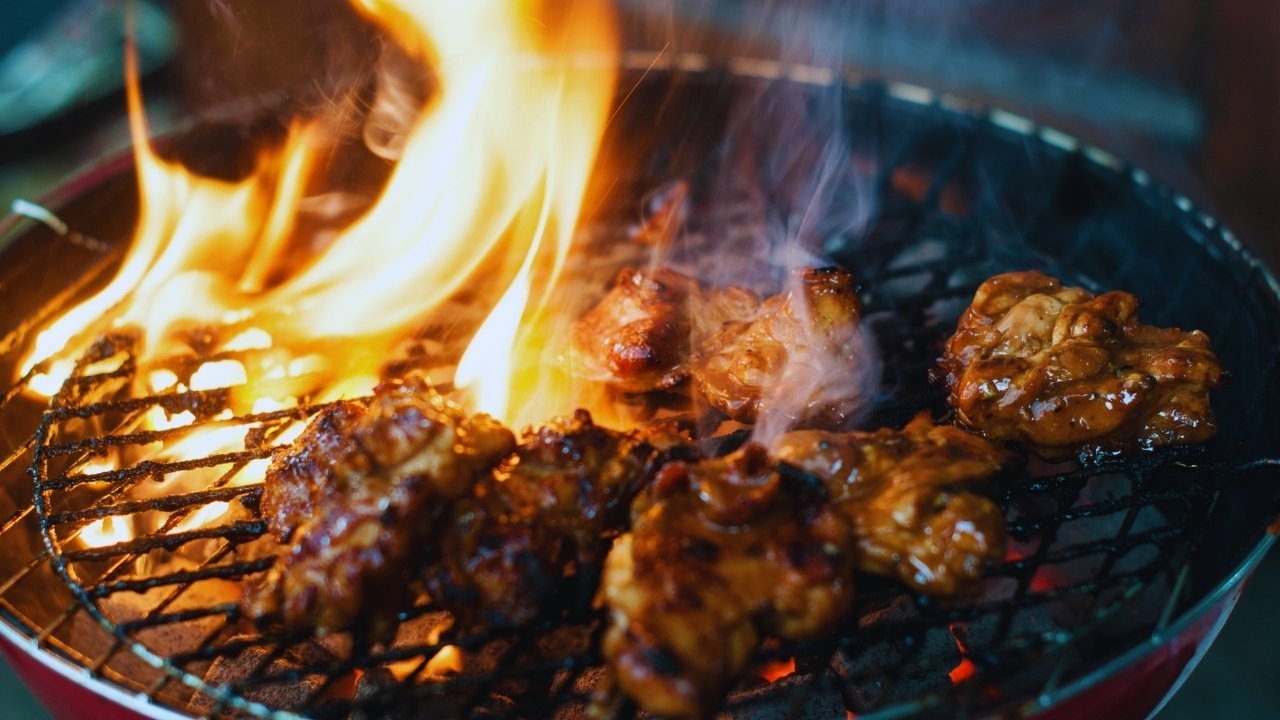
A Culinary Flame, Re-Ignited
Barbecue in India has always embodied more than just cooking methods; it's a cultural experience. Think of charcoal-smoked seekh in Delhi's winding lanes, tandoori bread sizzling against clay walls, coastal fish infused with coconut embers, and Lucknowi galouti enveloped in delicate smoke. Traditional tribal pit-roasting over wood fires sings a song of the past.
Fire becomes a memory, smoke captures a legacy, and spice narrates identity.
As diners' tastes evolve and culinary philosophies shift, the Indian BBQ narrative is being updated—firmly rooted in tradition but delving deeper.
This new BBQ ethos merges:
heritage cooking techniques
clean and responsible fuel sources
traceable farm ingredients
minimal-intervention seasoning
slow cooking with deliberate flavors
artisanal plating that avoids excess
It's barbecue framed as craftsmanship, not chaos.
From Grease to Clean Craft
Traditional BBQ often carried a heavy reputation—rich char, thick marinades, excessive smokiness, and liberal oil use.
Today’s consumers seek not indulgence in excess, but rather clarity and control.
The clean-label movement mandates:
absence of artificial colors
no chemical tenderizers
clear sourcing of spices
genuine smoke instead of liquid smoke shortcuts
using whole, unprocessed ingredients
clean oils and well-balanced marinades
Authenticity is driven by ingredients, not aesthetics. Spice blends are simpler, fresher, and traceable back to their origins—no more packets.
The outcome? Plates that are raw in honesty but not in preparation.
A Fuel Revolution: Conscious Cooking
Fire adds flavor, but ethical considerations now play a crucial role.
Indian chefs and restaurants are transitioning to:
bamboo charcoal
wood pellets made from orchard waste
compressed sawdust blocks
eco-friendly briquettes
LPG with wood infusion setups
coconut husk briquettes
The goal isn't to abandon fire but to refine it.
Why Clean Fuel Matters
lower emissions
consistent heat delivery
enlightened smoke flavors
reduced ash residue
sustainable source materials
improved air quality in urban settings
We are stepping into a time when diners consider not only: What am I consuming?
But also: What prepared it?
Barbecue fuel has entered the conversation.
Reviving Regional Roots
India’s grill traditions predate the very term “barbecue.” From tribal roasts to Punjabi tandoors and Central India's Angara cooking, the grilling landscape runs deep.
In 2025, chefs are rediscovering these roots with a modern touch.
Examples of Culinary Revival
Bamboo-smoked pork from the Northeast paired with heritage rice sides
Kashmiri tabak maaz with a gentle ember finish
Coastal fish grilling from Kerala wrapped in plantain with spice rubs
Goan chorizo savored with wood-smoked onions
Mangalorean BBQ prawns enhanced with fire torches
Rustic Bundelkhandi chicken showcased in boutique restaurants
Technique is surpassing trend, and India's grilling wisdom is reclaiming its rightful stage.
Vegetable-Focused BBQ: A Fusion
Once synonymous with meat, barbecue is now embracing plant-forward dishes.
Grilled innovations include:
jackfruit ribs with a sweet tamarind glaze
smoky beet seekh rolls
paneer slabs with fresh stone-ground masalas
garlic-stuffed mushrooms roasted over wood
sweet potatoes brushed with ghee and chili
charred pumpkin smeared with jaggery
baingan smoked and dressed with pomegranate chutney
broccoli and cauliflower steaks with Kashmiri chili crust
Fire transcends meat; it turns into a language of flavor.
Vegetarian barbecue now stands not as an alternative but as a main attraction.
Conscious Sourcing: The New Norm
Today’s informed meat-eater prioritizes knowledge over nostalgia.
Barbecue enthusiasts are searching for:
Popular cuts like brisket and rib racks are taking menu center stage while maintaining respect for their origins and protein values.
The meat's essence is honored through spices that elevate, not conceal.
Shifting Spice Philosophy
Traditional BBQ thrived on bold masala; modern BBQ appreciates subtlety.
Spice philosophy for 2025 embraces:
freshly toasted whole spices
earthy blends with minimal notes
smoky salts
roasted coriander and cumin as focal points
ghee and mustard oil as flavorful mediums
jaggery as natural sweetness, replacing refined sugar
With gentle spice, smoke becomes the voice of flavor.
When marinades embody purity, the protein shines.
Barbecue is making a transition towards how pure the flavors resonate.
The Art of Crafting BBQ
Quick BBQ is for street vendors; slow BBQ belongs to artisan kitchens.
We’re witnessing:
overnight marinades
slow-cooking cycles stretching over four hours
smoke-rest-smoke methods
controlled aging for meats and paneer
patience incorporated into cooking
Consumers are accustomed to waiting. Artisanal BBQ views time as a seasoning.
Heat isn’t hurried.
Flavors aren’t rushed.
Smoke doesn’t overwhelm; it calms.
Aesthetics of BBQ: Rustic and Refined
The contemporary BBQ style merges hearty warmth with elegant plating:
wooden boards
clay dishes
hammered metal serving trays
charcoal-stone platters
banana leaves for serving
pickled sides for acidity balance
cool yogurt to balance the heat
artisan breads with flame-kissed crust
Dining transforms from just tasting to experiencing!
Smoke shrouds the environment.
Char fills the air.
Wood crackles in the backdrop.
Spices harmonize at the edge of each bite.
It is theatre, but without theatrics.
Luxury rendered quietly, warmth without turmoil.
The Curious Urban Diner
A new breed of consumer is reshaping the BBQ narrative:
They seek:
clean, quality ingredients
meaningful culinary stories
transparency in menus
guilt-free indulgences
artisan craftsmanship
Instagram-ready presentations that carry soul
Questions about provenance have become common.
They admire technique and respect simplicity.
Food literacy has grown, elevating expectations.
Challenges Ahead
The promising sustainable BBQ movement grapples with hurdles:
consistent clean fuel sourcing
escalating ingredient and labor costs
lengthy prep times
training chefs for modern techniques
locating suppliers for natural spices
preventing pretentious inflation
harmonizing heritage with innovation
Yet, every challenge reinforces the craft, rather than undermine it. This movement thrives on purposeful intent over mere popularity.
The Future: BBQ as Wellness and Craft
BBQ in India is transitioning from “fire and heat” to “smoke and depth”, shifting from vigorous grilling to more soulful methods.
Look forward to:
dedicated smoke bars & fire-exclusive menus
zero-waste BBQ practices
vegetable-centric tasting menus
in-house spice blends from local farms
wood chips drawn from fruit orchards
smoke-infused lentils and broths
spiced oils from natural wood
smoked ghee-filled parathas for breakfast
kombucha and fermented chutneys alongside grilled dishes
Fire and fermentation will reconvene as they once did in historical kitchens.
This is not a western adaptation of BBQ for India, but a reclamation of Indian BBQ’s identity and its global resonance.
Smoke is not a gimmick; it is a language India speaks fluently.
Disclaimer
This piece examines culinary trends for informative purposes. Businesses should consider local laws, sourcing availability, and operational costs when adopting sustainable BBQ models. Consumers should consult health professionals regarding high-heat or smoked food consumption.