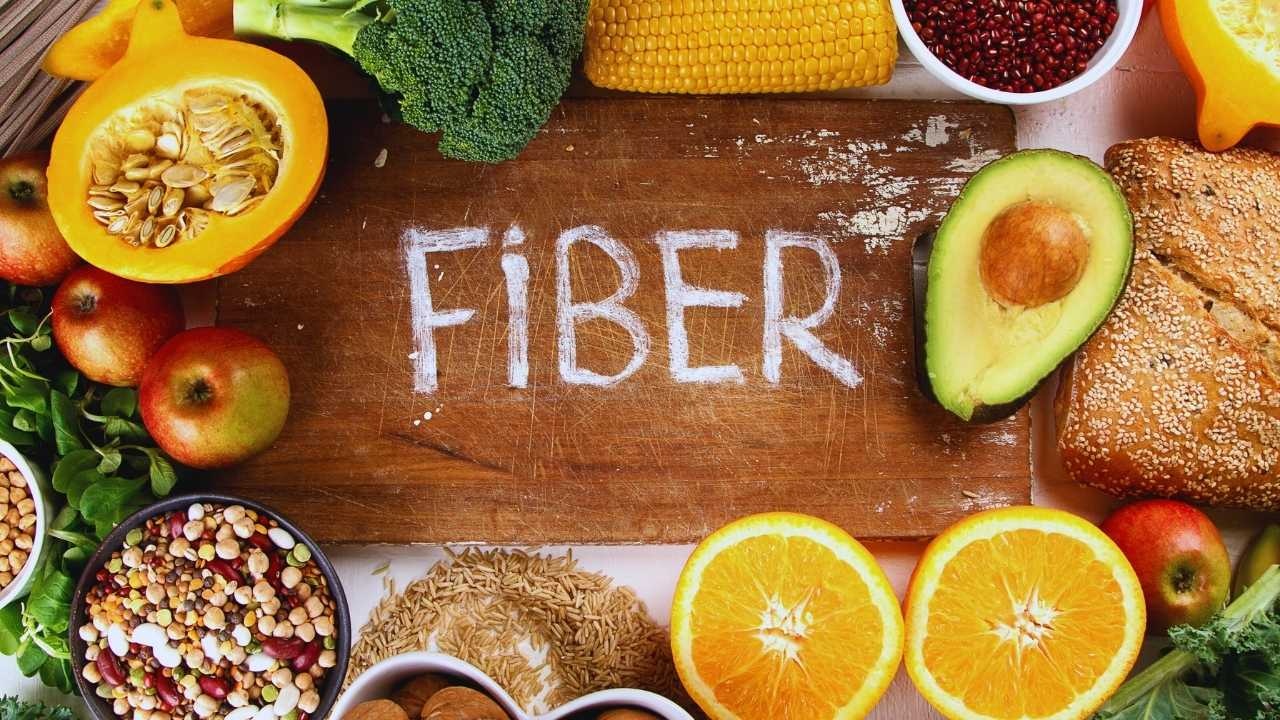
The Importance of Fibre in Your Diet
While many see fibre primarily as a digestive aid, its benefits extend much further—contributing to steady energy, balanced blood sugar, heart well-being, and long-term health. Unfortunately, due to hectic lifestyles and processed foods, many people don’t meet the daily fibre intake recommendations.
Fortunately, you don’t have to overhaul your entire diet to boost fibre. Simple cooking swaps can effectively enhance your fibre intake while keeping your meals tasty and enjoyable. Instead of forcing yourself to eat foods you dislike, you can easily integrate fibre into your meals through smart ingredient substitutions and cooking techniques.
This article presents straightforward, high-fibre swaps ideal for various cooking styles, from Indian meals to global cuisines.
Types of Fibre You Need
Fibre is categorized into two main types, each essential for digestive wellness:
Soluble Fibre
• Forms a gel-like substance
• Slows digestion, providing consistent energy
• Keeps you feeling full for longer
• Aids in maintaining healthy cholesterol levels
Common sources: oats, apples, pulses, nuts, seeds
Insoluble Fibre
• Adds bulk to stool
• Prevents constipation
• Facilitates smooth movement through the digestive tract
Common sources: whole grains, fresh vegetables, bran, leafy greens
A balanced diet should include both types, and the swaps below will help you achieve that.
Upgrade Refined Grains to Whole Grains
Switching staples is an easy way to increase your fibre content.
White Rice → Brown Rice or Hand-Pounded Rice
Brown rice offers more fibre and a better texture, keeping you satisfied. If full conversion seems challenging, try a mix of both.
Regular Rotis → Multi-Grain or Whole-Wheat Rotis
Combining flours such as jowar, bajra, or ragi enhances fibres and flavors.
White Bread → Whole-Grain or Seeded Bread
Opt for hearty breads with visible grains rather than soft, processed types.
Maida Noodles → Whole-Wheat or Millet Noodles
These alternatives promote digestion and pair excellently with vegetables.
These swaps introduce fibre while keeping meal familiarity intact.
Boost Vegetable Intake
Fresh vegetables are natural sources of fibre. Adding them to meals enhances nutrition without sacrificing taste.
Incorporate Grated Vegetables into Dough
Add grated carrots, beets, or spinach puree to roti dough for a nutritious and flavorful boost.
Enrich Gravies with Vegetables
Enhance curries by including veggies like pumpkin, spinach, or lauki, which gives a richer taste.
Maximize Vegetables in Stir-Fries
Make vegetables the star, using rice or noodles as a side.
Enhance Side Dishes with Fibre-Rich Ingredients
Rich salads featuring cucumbers, tomatoes, and greens are excellent for daily fibre intake.
Incorporate Pulses and Lentils
Pulses and lentils are often underrated but are great sources of fibre that are budget-friendly and versatile.
Consider these swaps:
• Use dal instead of sabzi for meals
• Add beans (rajma, chole, moong) to salads
• Mix lentils into soups
• Substitute lentil-based meals for meat dishes
• Combine different dals in your daily preparations
A single serving can effectively enhance both soluble and insoluble fibre.
Transform Snacks into Fibre-Rich Choices
Snacking patterns can hinder fibre intake, but with minor adjustments, you can create gut-friendly snacks.
Potato Chips → Roasted Chana or Makhana
These provide crunch and fibre while being protein-rich.
Cookies → Oat-Based Biscuits or Homemade Granola
Oats contribute soluble fibre for gut support.
Instant Noodles → Veg-Loaded Poha or Upma
Incorporate peas, carrots, and grated coconut for an added fibre boost.
Fried Snacks → Baked or Air-Fried Versions
This retains fibre while reducing oil content.
Smart replacements keep snacks enjoyable.
Seeds as Easy Fibre Boosters
Seeds are small but mighty in enhancing fibre levels. Including them can elevate both sweet and savory dishes.
Top Fibre-Rich Seeds:
• Chia seeds
• Flaxseeds
• Sunflower seeds
• Pumpkin seeds
• Sesame seeds
Add these to:
• Parathas
• Oatmeal
• Raitas
• Smoothies
• Granola
• Toppings for Toast
• Stir-Fries
Small changes lead to significant benefits without altering flavor.
High-Fibre Breakfast Swaps
Breakfast sets the stage for digestion throughout the day. Opt for fibre-rich options for lasting fullness.
Healthy Breakfast Choices:
• Cornflakes → Oats or Muesli
• White Toast → Whole-Grain Toast with Avocado
• Plain Dosa → Oats Dosa or Ragi Dosa
• Sweet Biscuits → Fruit Bowls
• Minimal Veg Upma → Veg-Loaded Upma
Each upgrade increases digestive comfort.
Strategically Consume Fruits
Fruits enhance both fibre and hydration. Prioritize whole fruits over juices.
Best Fibre-Rich Fruits:
• Apples
• Pears
• Bananas
• Berries
• Oranges
• Guava
• Papaya
Opt for fruits as snacks to naturally support digestion.
Select High-Fibre Flours for Baking and Rotis
The type of flour significantly influences digestion. Upgrading your flour selection yields immediate advantages.
Favourable Flour Swaps:
• Maida → Whole-Wheat or Multi-Grain Flour
• Whole-Wheat → Mixed Flours like Jowar or Bajra
• Semolina → Broken Wheat or Oats
• Cornflour → Chickpea Flour for Snacks
These upgrades ensure better flavour and texture.
Incorporate Legume-Based Foods
Opting for legume-based pastas like chickpea or lentil varieties provides ample fibre and protein.
Benefits Include:
• Lower Glycemic Index
• More Satiety Than Traditional Pasta
• Easy to Prepare
• Digestive Friendly
Add vegetables or beans for even more fibre.
Simple Additions for Instant Fibre Boost
Minor tweaks can bring major digestive benefits.
Quick Ideas:
• Bran in Dough
• Veggies in Omelettes
• Topped Soups with Greens
• Add Sprouts to Salads
• Nuts in Cereal
• Daily Serving of Dal
These effortless changes yield substantial rewards.
Opt for Naturally Sweet, High-Fibre Treats
Desserts can aid digestion too if made with fibre-rich ingredients.
Healthier Dessert Alternatives:
• Chocolate Bars → Dark Chocolate with Nuts
• Ice Cream → Frozen Fruit Bowls
• Halwa → Broken Wheat Halwa
• Cakes → Oat or Whole-Wheat Cakes
Enjoy sweetness without digestive stress.
Include Fermented Foods for Better Digestion
Fibre is more effective with healthy gut bacteria, and fermented foods can enhance digestion.
Add:
• Curd
• Buttermilk
• Pickles (in moderation)
• Idli and Dosa
These foods help manage increased fibre smoothly.
Stay Hydrated for Optimized Fibre Function
Water is crucial for fibre's functionality; without sufficient hydration, it may cause discomfort. Aim for consistent hydration throughout the day.
Transitioning to Higher Fibre Gradually
A sudden increase in fibre can upset your system. It’s better to adjust gradually.
Tips for Smooth Transitions:
• Add One New Fibre Food Weekly
• Increase Veg Portions Slowly
• Balance Soluble and Insoluble Fibre
• Chew Thoroughly
• Choose Whole Foods Over Supplements
Your body can adapt comfortably when fibre increases gradually.
In Closing
Incorporating high-fibre cooking doesn't mean radical dietary changes. It’s about making smarter ingredient choices and adding small boosts to meals. These simple swaps support smooth digestion, stabilize energy, and enhance gut health—all without sacrificing taste. With consistent habits and informed choices, fibre can become an easy, enjoyable part of your everyday meals.
Disclaimer:
This content provides general dietary insights and should not replace tailored medical or nutritional guidance.