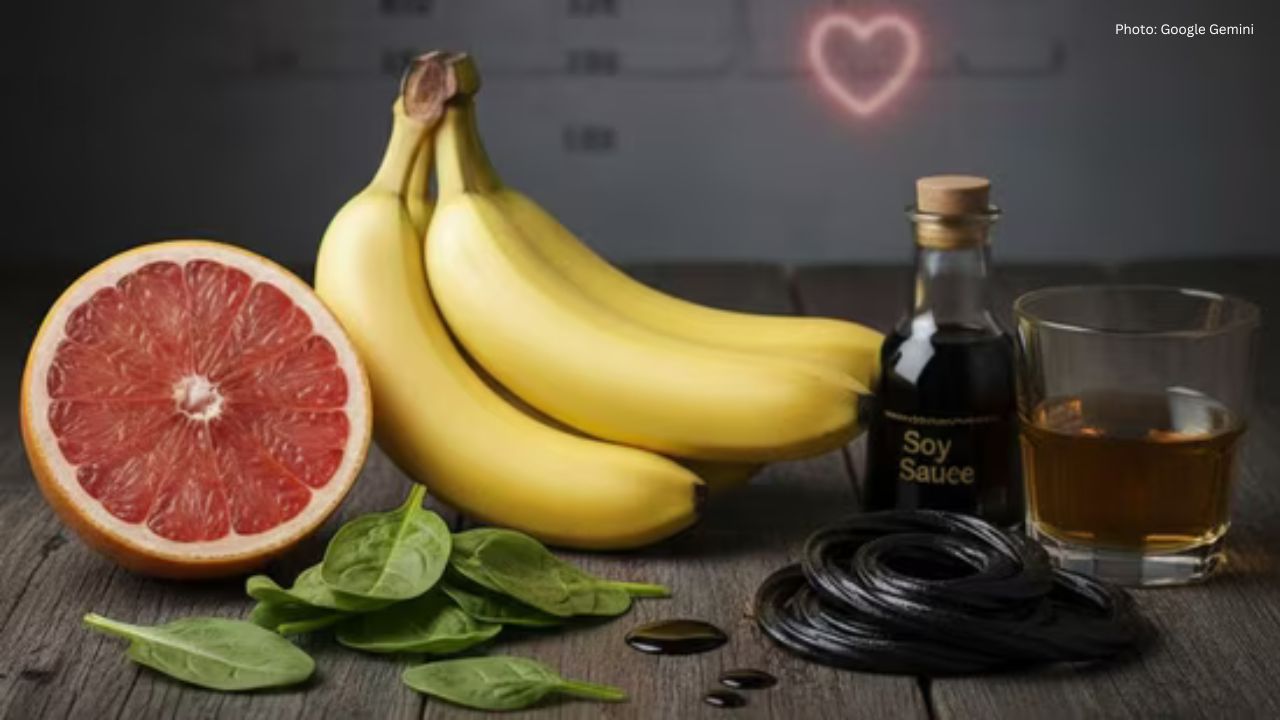
Globally, individuals strive to select nutritious foods as part of a lifestyle aimed at enhancing heart health and overall vitality. Still, seemingly safe options might not suit everyone, particularly those with heart or kidney issues. Dr. Dmitry Yaranov, a specialist in heart failure and transplants, recently outlined six widespread foods that could pose risks when a person is managing medical challenges or on specific medications.
Dr. Yaranov noted that food cannot simply be categorized as 'good' or 'bad.' Its effects are largely determined by the body’s particular reaction, any medications taken, and the health of organs like the heart and kidneys. Many foods are rich in vital nutrients like potassium or sodium that can be advantageous under normal conditions but potentially problematic for patients with existing health issues.
A prominent example is bananas, celebrated for their high potassium content that aids muscle function and heart health. However, for individuals with compromised kidney function or those on medications like spironolactone or ARNI, potassium levels can dangerously elevate, presenting risks to heart rhythm and potentially initiating medical crises. Therefore, it's crucial for patients with heart or kidney ailments to regulate their intake of bananas.
Another notable food is grapefruit, which can disrupt the liver's processing of certain medications. For individuals post-heart transplant or on medications needing stable blood levels, grapefruit consumption can lead to excessive drug levels, compromising treatment safety. Dr. Yaranov advises patients to consult their healthcare provider before making grapefruit a regular part of their diet.
Spinach, often regarded as a superfood due to its nutrient density, particularly potassium and vitamin K, warrants caution for those on blood thinners like warfarin. Increased spinach intake can destabilize the medication's effectiveness. Dr. Yaranov recommends regular, consistent consumption to allow medical professionals to make appropriate adjustments to dosages.
Soy sauce, prevalent in various cuisines, is extremely high in sodium. Excess sodium can induce fluid retention, exerting extra pressure on the heart. Dr. Yaranov highlights that even one meal featuring soy sauce may result in noticeable symptoms like swelling or breathlessness for some patients, making sodium management crucial for heart health, especially during recovery.
Less frequently mentioned is liquorice, which can elevate blood pressure while also decreasing potassium levels. Real black liquorice can be found in some teas, supplements, and flavored products, often without consumer awareness. For those already grappling with blood pressure issues, this can exacerbate their condition.
Lastly, Dr. Yaranov touches on alcohol, labeling it a direct poison to heart muscle. Some patients may face heart failure after years of alcohol-related stress, often without realizing its impact. Regular alcohol intake can further weaken cardiac function for individuals with known heart conditions.
The doctor emphasizes that different foods interact with our bodies in intricate ways. What’s healthy for one might be unsuitable for another. Hence, patients should base their dietary choices on their medical history and lab results rather than blanket assumptions about food safety. Engaging with healthcare professionals is essential to avert unexpected health complications.