When Economic Progress Masks Growing Health Issues
Quarterly economic reports shape policies and public perceptions. Gross Domestic Product (GDP) operates like a scorecard in today’s world. Economic growth is hailed when GDP rises, yet another alarming statistic rises alongside—an increase in hospital visits, respiratory problems, mental health crises, and diseases linked to climate change.
The issue isn’t that GDP misrepresents the truth.
The issue is that GDP is fundamentally incomplete.
A growing GDP may suggest national well-being, yet it fails to reveal if citizens have access to clean air, safe water, or respite from extreme temperatures. An economy can appear prosperous while public health deteriorates.
Climate change is no longer merely an environmental phenomenon.
It's affecting human health directly.
And GDP fails to account for that.
What GDP Measures — and What It Misses
The Gold Standard of Economic Measurement
GDP represents the overall value produced by a nation, capturing sectors like construction, services, exports, and consumer spending. It reflects economic activity.
However, it does not reveal:
-
Who suffers from illnesses
-
Who experiences premature death
-
Who struggles with air quality
-
Who faces contaminated water
-
Who battles mental health issues
-
Who endures climate-induced stress
Although GDP may rise, health outcomes can spiral downward.
Economic growth can coincide with health deterioration.
Economic Activity vs. Human Suffering
For instance, a heatwave doesn’t impact GDP negatively when:
-
Demand for electricity goes up
-
Hospitals generate revenue
-
Water prices rise
-
Reconstruction projects commence
In fact, distressful situations can contribute to economic activity.
From an economic viewpoint, calamities yield productivity.
From a humanitarian perspective, they result in devastation.
While GDP counts recovery efforts,
it neglects the disruption and suffering.
Health Deterioration as a Byproduct of Climate Impact
Heat: Now a Direct Threat to Health
Extended periods of heat lead to more than just discomfort. They induce:
-
Dehydration
-
Heat-related illnesses
-
Kidney issues
-
Increased cardiac strain
-
Early deaths
Nevertheless, fiscal reports only reflect:
GDP applauds economic activity.
It does not acknowledge human loss.
The Letdown of Air Pollution: An Overlooked Catalyst for Illness
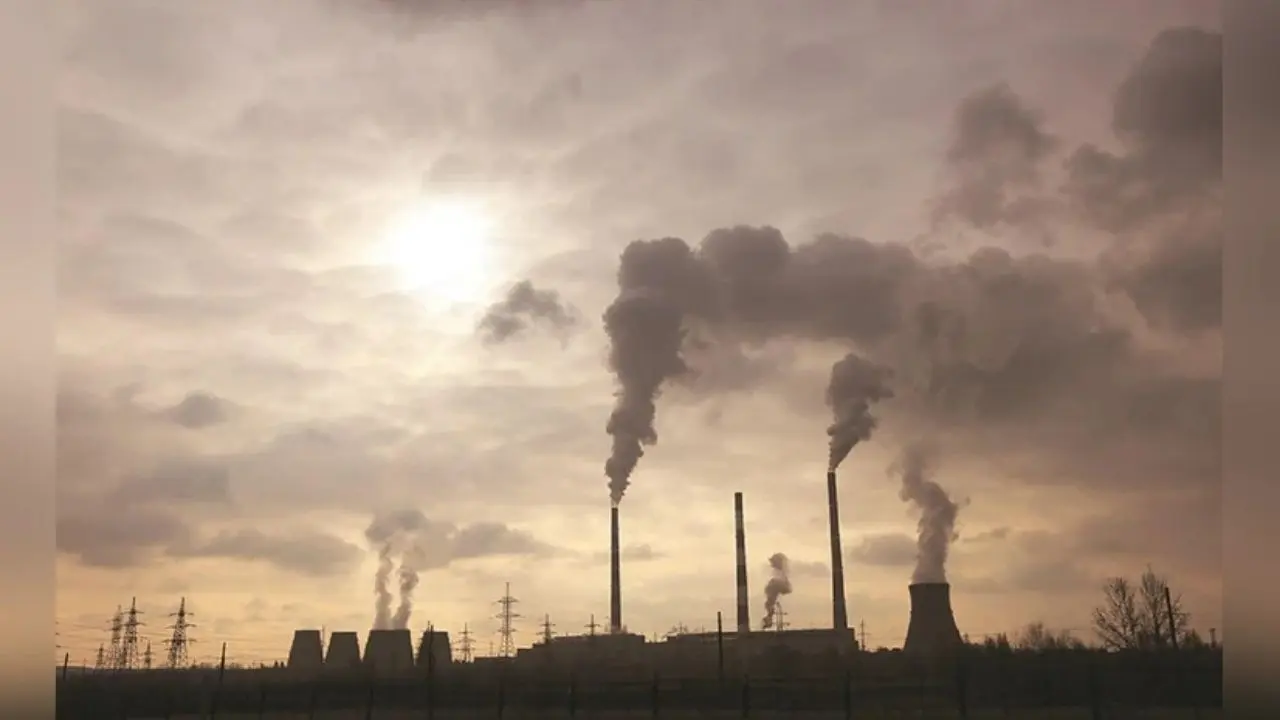
Contaminated air affects respiratory health, cardiac function, and longevity.
Yet, GDP processes:
It overlooks:
Industrial progress boosts the national balance.
But it simultaneously increases the burden on healthcare systems.
This hidden cost isn’t reflected in GDP calculations.
Navigating Health Risks in a Climate-Challenged World
Waterborne Illnesses: The Unseen Fallout of Flooding
Following significant flooding, waterborne diseases escalate.
Hospitals become overwhelmed with cases of:
-
Diarrheal diseases
-
Infections of the skin
-
Fever occurrences
-
Parasitic diseases
Families are displaced, children miss educational opportunities, and adults experience income loss.
GDP acknowledges:
It neglects:
Climate Change: The Re-Invention of Health Issues
Disease knows no borders and shifts alongside environmental changes. Global warming transforms ecosystems, impacting health on a broad spectrum.
The Climate Crisis: An Essential Call to Action
With tragic health numbers on the rise due to climate shifts, it is imperative that modern economies not only focus on financial figures but also prioritize the health of their citizens. The future will demand a balance between economic growth and health sustainability.
Disclaimer:
This article serves for educational purposes and should not be taken as professional medical or economic advice. Consult experts for tailored guidance.