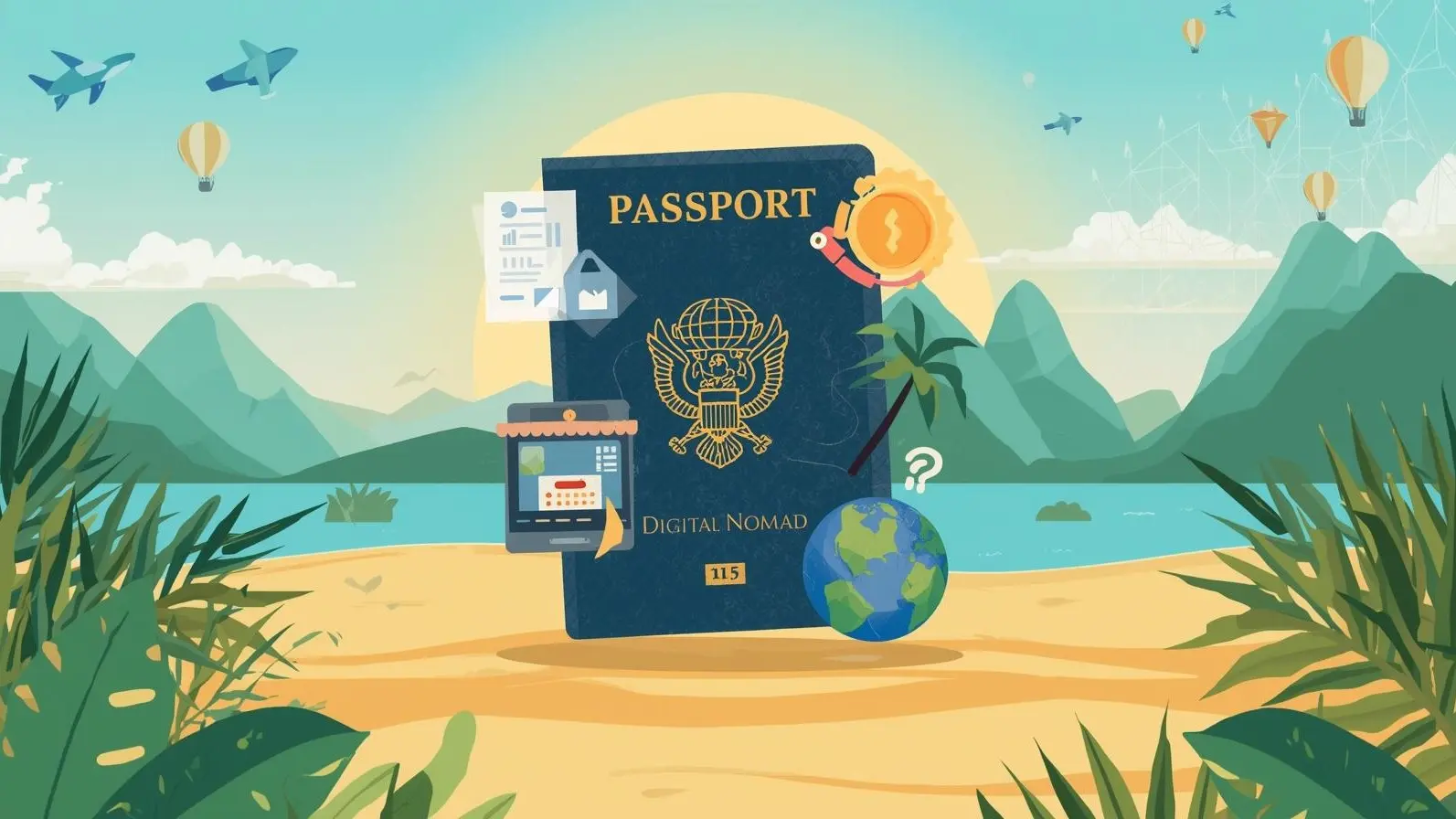
Essential Guide to Digital Nomad Visas in 2026: Income Requirements Explained
As remote work reshapes the globe, numerous countries are now offering digital nomad visas—permits enabling remote workers to reside abroad for extended periods with potential tax advantages and streamlined application processes. By 2026, many nations have developed frameworks for such visas, complete with defined minimum income requirements, eligibility criteria, and duration limits. This overview spotlights several countries that provide digital nomad visas in 2026, delineating their income thresholds and necessary qualifications for applicants.
Understanding Digital Nomad Visas
A digital nomad visa is a temporary residency option tailored for remote workers, freelancers, and entrepreneurs, allowing them to live abroad while employed by foreign companies. Typically, applicants need to demonstrate consistent income, comprehensive health insurance, and sometimes a minimum sum in savings.
European Nations Offering Digital Nomad Visas
Portugal provides a digital nomad/residence visa through its D7 or dedicated remote work scheme. Applicants must usually establish a steady passive or remote income, recommended to be between €1,200 and €2,000 monthly (or equivalent), alongside proof of housing and health coverage. Income requirements may vary by consulate and the size of the family.
Spain offers a digital nomad visa under the “Law for the Promotion of the Digital Nomad Work” (integrated within the Startup Law). Applicants must authenticate remote employment with non-Spanish firms and present a stable income, often exceeding €2,000 monthly for individuals, plus extra financial backing for dependents.
Greece mandates a digital nomad visa with a monthly income of at least €3,500 (before tax) or €5,000+ monthly for families, requiring proof of employment contracts and health insurance.
Italy has launched a visa for digital nomads and freelancers, typically aligning with the country’s minimum living standards. It is common for embassies to ask for proof of €8,000+ annually, although higher earnings are often advised for successful applications.
Croatia features a digital nomad residency permit necessitating a monthly income of around HRK 27,000–HRK 30,000 (approximately €3,600–€4,000), subject to currency fluctuations and consulate instructions.
Czech Republic offers a long-term “Zivno” or trade license option that functions similarly to a digital nomad permit, necessitating evidence of sufficient income for residency, typically around CZK 30,000+ monthly (around €1,200+).
Digital Nomad Visa Choices in the Middle East & North Africa
United Arab Emirates (UAE) features a Remote Work Visa enabling foreign workers to reside in the UAE for up to one year, requiring a minimum income of USD 5,000 monthly or savings paired with health insurance.
Egypt has initiated a long-term digital nomad residency program requiring income evidence of USD 3,000+ per month and health coverage, among other prerequisites.
Remote Work Visas in the Caribbean & Latin America
Barbados has introduced the Welcome Stamp visa, requiring a minimum income of USD 50,000 annually.
Costa Rica presents the Rentista visa or remote work options aligned with legal residency frameworks. Rentista applicants must exhibit a consistent income of USD 2,500 monthly or substantial savings.
Panama offers a Short-Term Work Visa for remote workers needing a monthly income requirement typically above USD 3,000 and proof of overseas employment.
Mexico does not have a distinct digital nomad visa but permits a Temporary Resident Visa for remote workers, requiring a monthly income of MXN 300,000 over 12 months (approximately USD 15,000 annually) or sufficient savings proof.
Digital Nomad Programs in Asia & Oceania
Japan is considering specialized remote worker visas for highly skilled individuals but has yet to introduce a common digital nomad visa by 2026; some long-term residency options are available through work or investment visas.
South Korea provides a D-7 visa for remote workers, requiring proof of steady income and engagement with foreign entities, with specific thresholds varying by consulate.
Thailand has tailored the Smart Visa and the newly released Long-Term Resident (LTR) visa, allowing remote work with relatively high income requirements, typically necessitating USD 80,000 or more annually for eligibility.
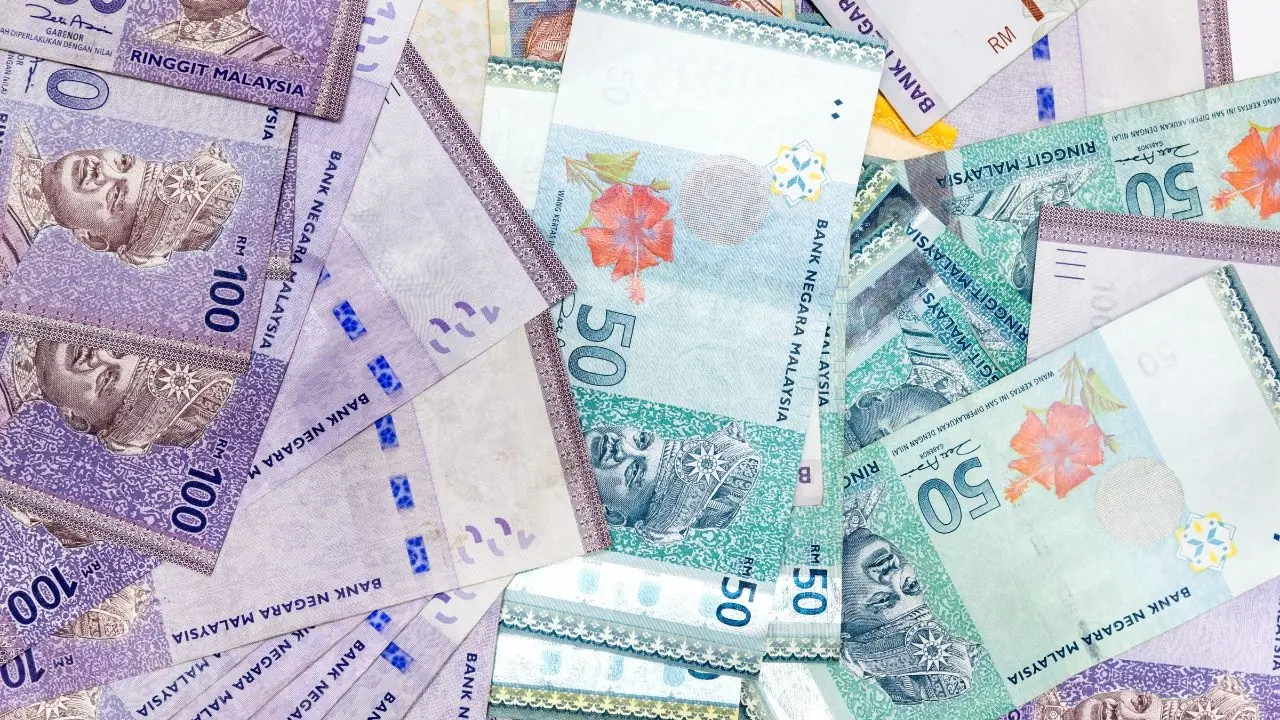
Malaysia launched DE Rantau Nomad Pass programs with income minima from MYR 40,000 to MYR 50,000 monthly (around USD 8,000 to USD 9,500), dependent on exchange rates.
Australia and New Zealand do not provide conventional digital nomad visas, yet they do have longer-term work and freelancer-friendly visa categories requiring employer sponsorship or other criteria.
Emerging Remote Work Visas in Africa
Mauritius offers a Premium Visa allowing remote work for a year, without strict income minimums while requiring evidence of adequate financial means during stay.
South Africa has introduced a remote work visa necessitating monthly earnings of USD 3,000 (or equivalent in local currency), alongside health insurance and a clean criminal record.
Income Regulations and Required Proof
Most digital nomad visa frameworks demand the following:
Minimum Income Proof: Evidence of consistent, recurring income—often shown through bank statements, employment documents, or client invoices. Income levels differ widely and may change yearly.
Health Insurance: Global health coverage for the whole duration of the visa.
Proof of Accommodation: Evidence like lease contracts, hotel bookings, or host letters.
Background Checks: Clean criminal record certificates are commonly requested.
Processing Fees: Visa application costs vary notably by nation.
Budget-Friendly Digital Nomad Visa Options
Countries like Portugal, Mexico, Czech Republic, and Egypt often rank as affordable choices due to low income thresholds and living costs compared to higher-priced destinations like the UAE, Greece, or Thailand.
Preferred Countries for High-Income Nomads
Nations with elite remote work programs, including the UAE, Thailand (LTR), and Malaysia (DE Rantau), attract digital nomads with higher earning potential and those pursuing luxury or long-term residency.
Advice for Applying in 2026
Begin organizing your financial documentation well in advance, as banks and employers might take time to provide necessary statements related to your application.
Evaluate various health insurance options that explicitly cater to international remote work residencies.
Always check the latest updates via official immigration websites for the most accurate income requirements and application processes, given that they can change frequently.
Disclaimer
This article serves purely informational purposes and does not offer legal counsel. Parameters regarding visa regulations, income thresholds, application processes, or related policies may change without prior notice. Always consult authoritative immigration bodies or consulates for the latest and most accurate information.