The Sacred Union of Cuisine and Devotion
Govardhan Pooja, celebrated the day following Diwali, stands as a significant Hindu festival honoring Lord Krishna and Govardhan Hill. This occasion symbolizes Krishna’s triumph over Lord Indra’s pride, centering on appreciation for nature and sustenance.
A standout feature of this day is the creation of Annakut—a magnificent ‘mountain of food’ offered reverently to Lord Krishna. Devotees prepare an array of traditional dishes, sweets, and snacks that embody their love, devotion, and gratitude. Each item crafted during Govardhan Pooja is imbued with deep spiritual and symbolic meaning.
The Essence of Annakut: A Feast of Offerings
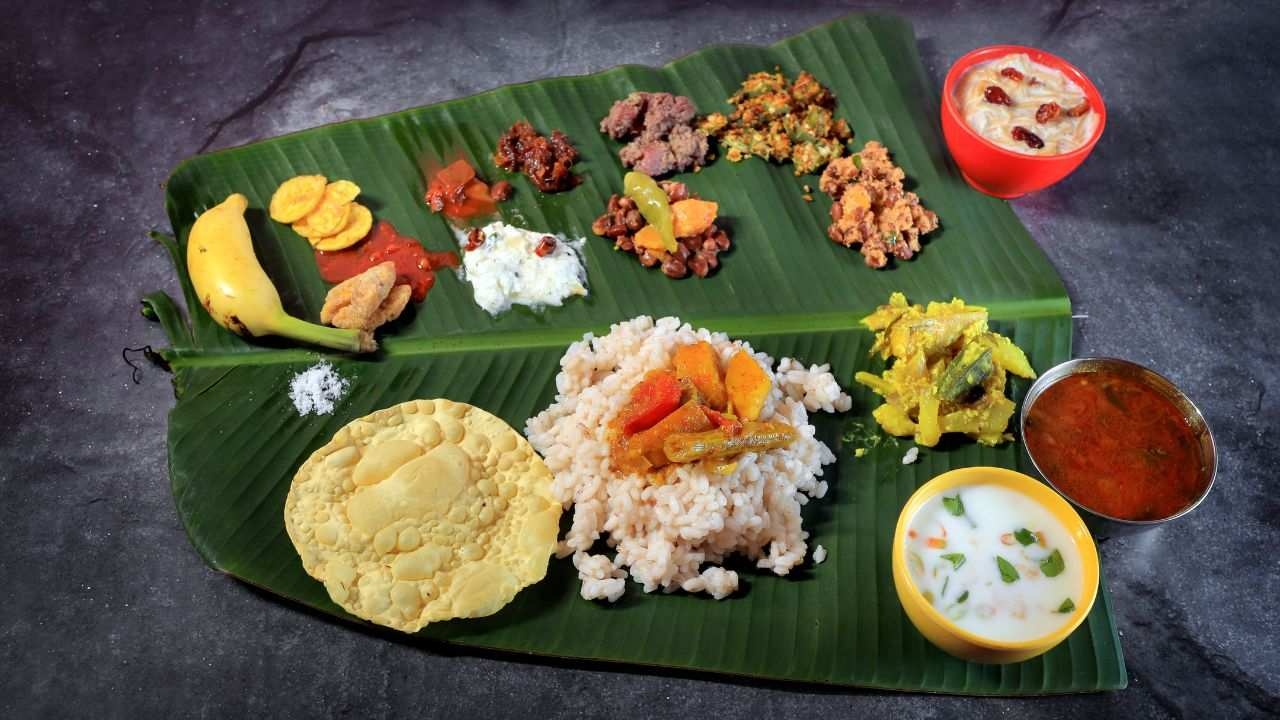
Annakut, literally meaning “mountain of food,” showcases an impressive selection of vegetarian meals symbolizing abundance and thankfulness. Dishes are artfully arranged in layers that mimic a hill, illustrating Govardhan Parvat, which Krishna famously lifted to safeguard the villagers of Vrindavan.
The quantity and variety of dishes differ across regions, with Chappan Bhog—an offering of 56 diverse items—being a widely cherished custom as it’s believed to include Krishna's favorites.
The Concept of Chappan Bhog
Why 56 Items?
The tradition of Chappan Bhog draws from the Govardhan legend. When Krishna sheltered the hill for seven days, the villagers could only provide 56 meals, calculated as 7 days multiplied by 8 daily meals, as a gesture of gratitude.
Significance of Offering Food
This assortment of dishes conveys devotion, variety, and altruism. The focus lies not on quantity, but rather on the love and purity embodied in the preparations, with each dish adhering to sattvic (pure) principles, free from onion and garlic, to honor the deities.
Traditional Foods for Govardhan Pooja
1. Rice and Grain Dishes
-
Plain Steamed Rice / Jeera Rice – A staple in the Annakut thali, representing purity and simplicity.
-
Khichdi – A comforting blend of rice and lentils, symbolizing humility and equilibrium.
-
Pulao and Kesar Bhaat – Fragrant rice dishes offered to Krishna as tokens of wealth and happiness.
Symbolism: Grain-based dishes denote abundance and nourishment, expressing gratitude for harvests.
2. Lentils and Curry Varieties
-
Dal Tadka / Moong Dal – A nutritious offering symbolizing sustenance and thankfulness.
-
Aloo Tamatar Ki Sabzi – A simple yet delightful curry reflecting everyday devotion.
-
Paneer Curry (Shahi Paneer or Matar Paneer) – Signifies richness and devotion, often featured in temple offerings.
Symbolism: Lentils and curries signify strength and nourishment, essential for life and faith.
3. Breads and Savory Treats
-
Poori – Deep-fried wheat bread, often prepared afresh during the puja, symbolizes joy and fulfillment.
-
Paratha / Thepla – Handmade flatbreads that showcase unity and teamwork in the feast preparation.
-
Kachori / Samosa / Pakora – Popular savory dishes that add festive spirit and variety to the Annakut.
Symbolism: Breads represent collaboration and effort, as families unite in their creation.
4. Traditional Sweets and Desserts
-
Laddu (Besan or Motichoor) – One of Krishna’s top favorites; symbolizes divine sweetness and blessings.
-
Kheer (Rice Pudding) – Represents purity and devotion’s essence.
-
Halwa (Sooji or Moong Dal) – Crafted with ghee and sugar, signifying spiritual richness.
-
Peda and Sandesh – Acts of simplicity and love, frequently shared as prasad.
Symbolism: Sweets embody joy, fulfillment, and divine grace, promoting community happiness.
5. Vegetables and Seasonal Offerings
-
Saag (Leafy Greens) – Represents fertility, growth, and nature’s nourishment.
-
Mixed Vegetable Curry – A medley of vegetables symbolizing unity in diversity.
-
Boiled or Steamed Root Vegetables – Illustrate humility and connection to the earth.
Symbolism: Vegetable dishes reflect gratitude to nature, the source of all life.
6. Dairy Delights (Lord Krishna’s Favorites)
-
Makhan (Butter) – Krishna’s cherished delight, representing joy and innocence.
-
Dahi (Curd) – A representation of purity reflecting life’s simple joys.
-
Shrikhand / Lassi – Sweet dairy preparations crafted with love for Krishna.
Symbolism: Dairy offerings celebrate Krishna’s childhood as Makhan Chor (Butter Thief), embodying sweetness and devotion.
Spiritual Significance of Food Offerings
Every dish prepared for Govardhan Pooja is an expression of gratitude. It transcends mere feasting—it's a spiritual bond connecting humanity with nature and the divine. Such offerings instill values of:
-
Humility: Food is proffered first to God, demonstrating respect and surrender.
-
Community: Shared meals fortify social bonds and empathy.
-
Purity: Only vegetarian, sattvic dishes maintain spiritual sanctity.
-
Service: Cooking becomes an act of seva (selfless service) rather than mere food preparation.
Through these contributions, devotees convey that each grain is sacred, every dish is a blessing, and each meal serves as a reminder of divine grace.
Modern Approaches to Annakut
Today, families still honor this tradition, albeit with a refined approach. Many create simplified Annakut platters featuring essential dishes—rice, dal, curry, sweets, and dairy. Across the globe, temples host community gatherings, where numerous devotees come together to prepare, offer, and share meals.
Modern adaptations often embrace healthier or fusion interpretations of traditional recipes, all while safeguarding the spiritual core.
Devotion is the True Offering
The foods prepared during Govardhan Pooja signify more than mere festival fare—they represent profound gratitude towards nature and Lord Krishna. Each item, regardless of complexity, is laden with spiritual meaning, symbolizing the connection between the divine and the devotee.
As conveyed through the Govardhan Leela, genuine worship is rooted in humility, gratitude, and love for all living beings. The Annakut feast serves as a reminder that food, when crafted with devotion, transforms into a sacred offering, where cooking and sharing become acts of worship.
Disclaimer
This article is meant for educational and informational purposes only. Descriptions of traditional foods, customs, and their meanings are based on commonly practiced traditions and may differ across regions and communities. Readers are encouraged to follow local customs or consult knowledgeable elders for reliable guidance.