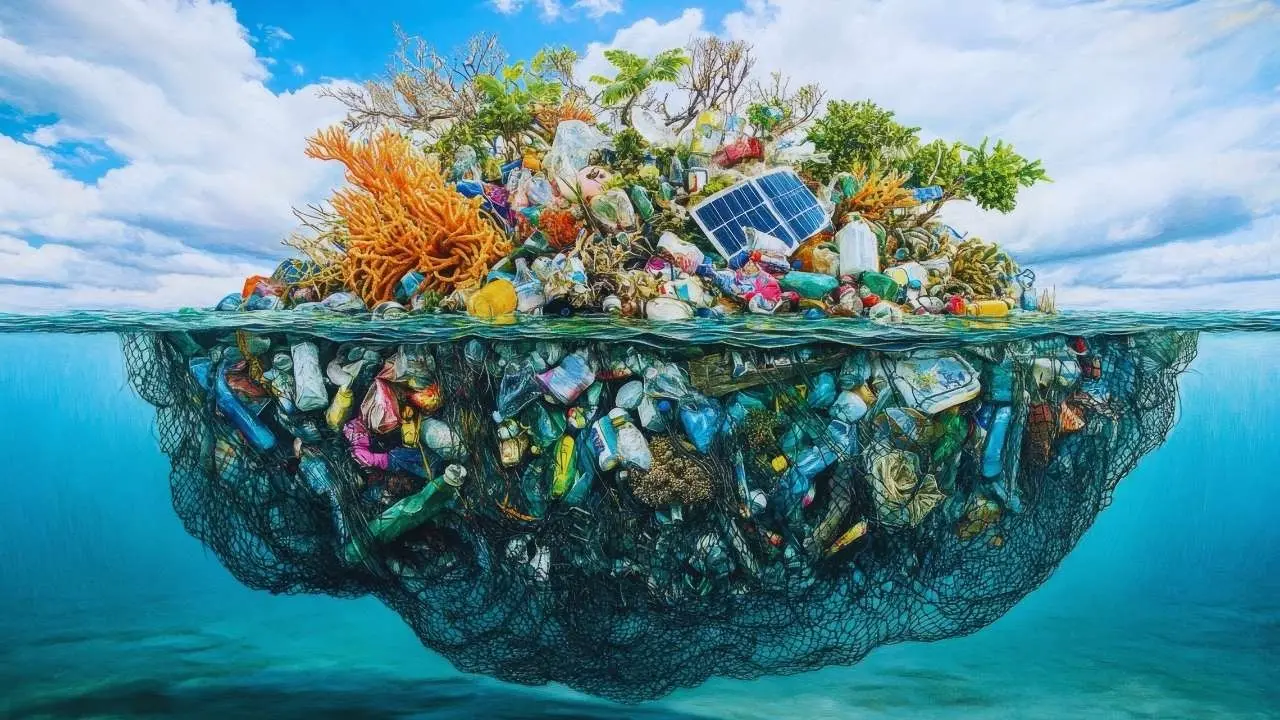
When Pollution Breaches the Body
Once relegated to the environment, pollution has now infiltrated the human body. Toxic substances previously found in the air, soil, or water have begun to circulate within our blood, marking a troubling evolution in environmental health.
Research has revealed alarming levels of particulate matter, industrial chemicals, heavy metals, and plastics within human bloodstreams. These pollutants have transitioned from external sources to the internal systems of billions.
Typically unnoticed, this contamination carries no immediate symptoms; each breath or sip of water may harbor invisible threats meant to remain outside the body.
This isn't merely an environmental issue; it's a pressing biological crisis.
Pollution is no longer an external concern.
It is within us.
What's Polluting Our Blood?
The pollution entering our bloodstream is a mix of diverse materials affecting our health.
PM2.5: The Deadly Tiny Invaders
Ultra-fine particles known as PM2.5, smaller than a human hair, infiltrate the lungs and penetrate into the bloodstream.
Once they enter:
These particles have been associated with various health issues, including:
Heart conditions
Stroke risk
Lung cancer
Cognitive decline
Diabetes
The smaller the particle, the greater the harm.
Heavy Metals: The Ever-Present Toxins
Lead, mercury, cadmium, and arsenic are still making their rounds through water, air, and food.
These metals:
Once they infiltrate the bloodstream:
Unlike bacteria, these metals are permanent fixtures.
Microplastics: The Deceptive Culprits
Once deemed an oceanic problem, microplastics are now detected in:
Blood samples
Human lungs
Placental tissues
Breast milk
Source materials include:
These plastics can't decompose.
They remain intact and carry toxins within.
Daily Pollution Exposure
Airborne Contaminants
Every inhalation introduces:
Air serves as a rapid conduit for pollutants to enter the bloodstream.
One does not need bodily contact; just breathe.
Contaminated Water Sources
Water pollution is rampant:
Boiling may not eliminate all harmful elements.
Certain metals and chemicals may further infiltrate the body.
Foodborne Toxins
Vegetation absorbs harmful substances from soil.
Fish accumulate mercury from contaminated waters.
Milk carries chemical residues.
Meat may harbor antibiotics and toxins.
Dining plates now serve as conduits for pollution.
Chemicals Through the Skin
Human skin is not a fortress.
Chemicals from:
Soaps
Shampoos
Deodorants
Cosmetic products
Gradually seep into the bloodstream via skin pores.
Repeated exposure compounds the risks.
Internal Impacts of Pollution
The bloodstream isn't merely a pathway; it’s a distribution network.
Once inside, contaminants journey throughout.
Constant Inflammation Trigger
Pollution incites immune responses. The body regards these as threats, keeping the immune system engaged incessantly.
Chronic irritation results in:
Damaged blood vessels
Cardiovascular disease
Autoimmune disorders
Heightened cancer risk
Wear and Tear on Organs
The liver and kidneys strive to cleanse polluted blood.
Over time:
Resilience wanes
Filtering slows
Tissue degenerates
Toxins build up
Overburdened organs age more swiftly.
Brain Vulnerability
Though safeguarded by barriers, airborne toxins can cross over.
PM2.5 exposure correlates with:
Memory impairment
Depressive symptoms
Alzheimer’s disease
Learning disabilities
The brain absorbs these pollutants more effectively than we thought, and releases them only slowly.
Escalating Global Evidence
The World Health Organization categorizes air pollution as one of the gravest global threats. Scientific communities globally connect pollution exposure to early mortality.
From Europe to Asia to Africa and beyond, pollution impacts health across the globe.
In every region, pollution poses a ubiquitous health challenge.
Children at Greater Risk
Children have higher exposure due to rapid breathing and their developing bodies.
This can severely affect:
Brain maturity
Immunity
Lung development
Learning capabilities
Consequences of exposure often extend into adulthood, raising the risk of:
Asthma
Behavioral issues
Cardiac problems
Hormonal disruptions
The repercussions are immediate and lasting.
Health Sacrifices for Growth
Modern advancement brought conveniences such as:
Electricity
Transportation
Manufacturing
However, it also led to:
Air pollution
Chemical disposal
Waste accumulation
Society has prioritized economic metrics over health and quality of life.
Delayed Onset of Symptoms
Cancer and heart ailments develop over extended periods, often unnoticed.
Pollution's effects are subtle yet grave.
The Healthcare System's Focus
Medical treatment targets symptoms rather than the underlying issues associated with pollution:
Lung ailments
Cardiac events
Pollution’s link to health damage often goes undiagnosed due to its intricate nature.
The Urban Pollution Crisis
Living in urban areas heightens exposure to pollution:
People are, unwittingly, residing in pollution chambers.
Rural Areas: Not Immune
Rural settings are also not free from pollution, affected by:
Agricultural runoff
Open burning
Farms often have quicker access to pollution than cities.
The Cost of Ignoring Contamination
Governments focus on economic growth, often overlooking:
Health deterioration
Decreased productivity
A weakened populace leads to:
A polluted populace cannot maintain productivity.
Universal Exposure: The Reality
Even wealth does not shield individuals from exposure. Pollution is a pervasive issue crossing all socioeconomic lines. The path to reducing risk lies in awareness.
Actions for Daily Protection
Enhance Indoor Air Quality
Upgrade Water Habits
Minimize Food Contamination
Limit Exposure to Chemicals
Safeguard Children
The Need for Systemic Solutions
Pollution is a systemic failure requiring:
Stricter industry regulations
Safer energy sources
Improved waste management
Agricultural innovation
Strengthened air quality laws
While individual efforts are beneficial, collective governmental action is crucial for real change.
The Disconnect Between Development and Health
Human physiology does not recognize economic growth.
When blood is contaminated, development loses significance.
Health remains the ultimate economy.
Environmental Harm Is Now Internal
The damage is no longer external but deeply embedded within.
We exist in bodies that are not merely polluted but are now vessels for industrial waste.
Final Thoughts: A Critical Line Has Been Crossed
What was once visible in the environment now circulates through our veins. Our global crisis is not mere environmental degradation but a biological transformation.
The urgent call for change extends beyond policies to encompass human biology.
Each breath and sip contributes to this silent change.
Without immediate intervention, irreversible damage is imminent.
Disclaimer:
This article is intended for educational and informational purposes only and does not serve as medical advice. Always consult qualified healthcare professionals regarding health issues and diagnostic needs.