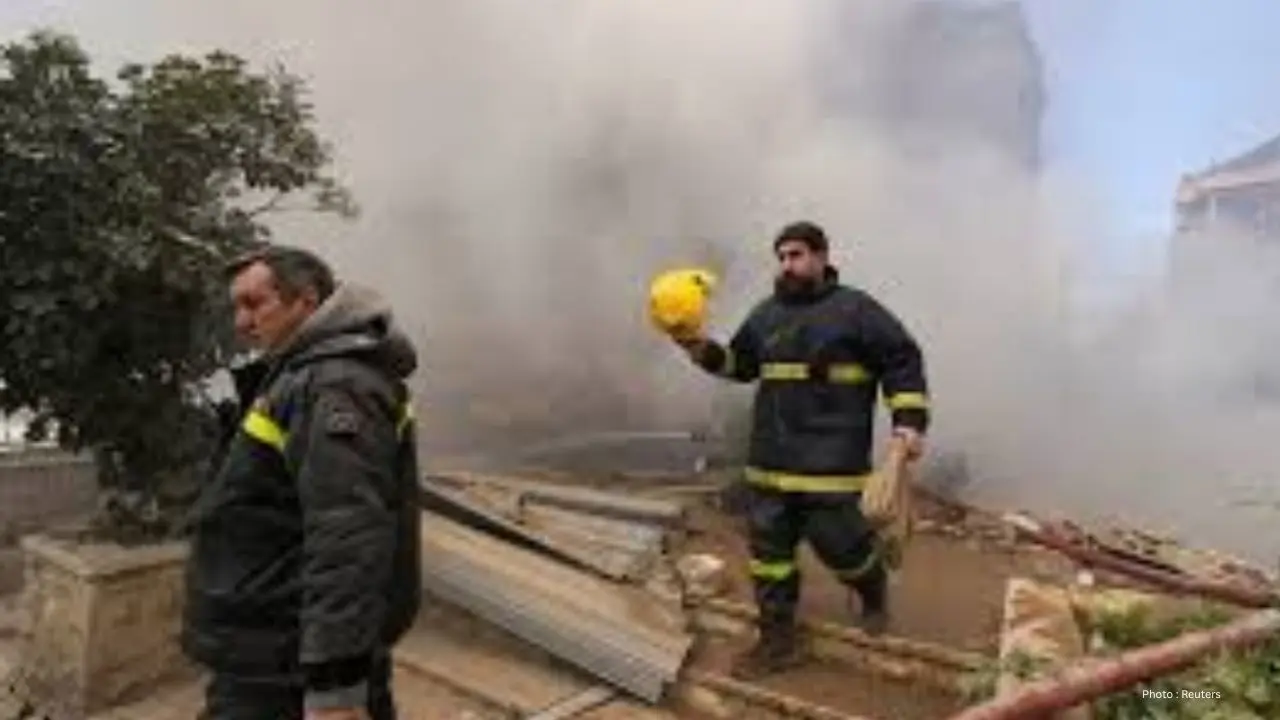
Canada has joined several countries in a joint statement calling for the protection of humanitarian workers in Lebanon, as the humanitarian situation in the region continues to worsen. The statement highlights growing concerns over civilian safety and the risks faced by aid workers operating in conflict areas.
The joint appeal includes support from nations such as Australia, Brazil, Japan, United Kingdom, and others. Together, these countries have urged all parties involved in the conflict to respect international humanitarian law and ensure the safety of civilians and humanitarian personnel.
Leaders welcomed a recent ceasefire agreement involving the United States, Israel, and Iran, but stressed the need for an immediate and lasting end to violence in Lebanon. They emphasized that civilians and essential infrastructure must be protected at all times.
The statement strongly condemned attacks that have put humanitarian workers at risk, including incidents that resulted in the deaths of United Nations peacekeepers. Officials said such actions not only threaten lives but also limit the ability of aid organizations to deliver critical support to those in need.
Countries involved in the statement also highlighted the importance of accountability. They called for justice in cases where international law has been violated, particularly when it affects humanitarian personnel. Ensuring accountability, they said, is key to maintaining trust and safeguarding future operations.
The joint statement also referred to a global declaration launched in September 2025, in which over 100 nations committed to protecting humanitarian workers in conflict zones. Leaders reaffirmed their commitment to this initiative and stressed that aid workers should be able to carry out their life-saving missions without fear.
As the crisis in Lebanon continues, the international community has pledged to work together to improve conditions on the ground, support affected populations, and ensure that humanitarian efforts can continue safely and effectively.