Photo : X / @jurian777
The tourism sector within the Gulf region is grappling with unprecedented challenges as growing regional tensions cast a shadow over travel demand. Analysts predict that the GCC could experience a staggering $32 billion reduction in tourism revenue, painting a dire picture for economic diversification efforts. Once celebrated as a vibrant global tourism nexus, the Gulf now finds itself confronting uncertainties that could redefine travel preferences and investor sentiment across key sectors like aviation and hospitality.
Central to this alarming forecast is the anticipated drop in international tourist arrivals, with estimates suggesting a decline of approximately 8 to 19 million visitors across the GCC. This statistic is more than just numbers; it signifies a seismic shift in global travel trends influenced by concerns over safety, disruptions in airspace, and geopolitical strife. The GCC, which previously attracted over 72 million tourists annually and generated nearly $120 billion in tourism revenue, now stands at a precarious junction, with implications for airlines, hotels, and overall economic stability.
One of the most immediate consequences is evident in the aviation sector, which forms the backbone of the GCC's tourism framework. Major hubs like Dubai, Abu Dhabi, and Doha, handling over half a million passengers daily, are already confronting operational challenges and temporary shutdowns due to rising tensions. Such disruptions not only hinder connectivity but also inflate operational expenses, throw travel schedules into disarray, and tarnish the region’s image as an efficient global transit network. The cascading effects on airlines and cargo logistics extend the economic ramifications beyond just tourism.
Tourism has long been a pivotal element in the GCC's economic diversification agenda, significantly impacting GDP growth, job creation, and foreign investment. Therefore, the projected revenue losses threaten not just immediate financial outcomes, but the larger economic framework, especially for nations that have heavily invested in tourism-oriented infrastructure and marketing. The decline in visitor spending, quantified as hundreds of millions in lost international income daily, reveals deeper vulnerabilities for economies reliant on the travel and hospitality sectors.
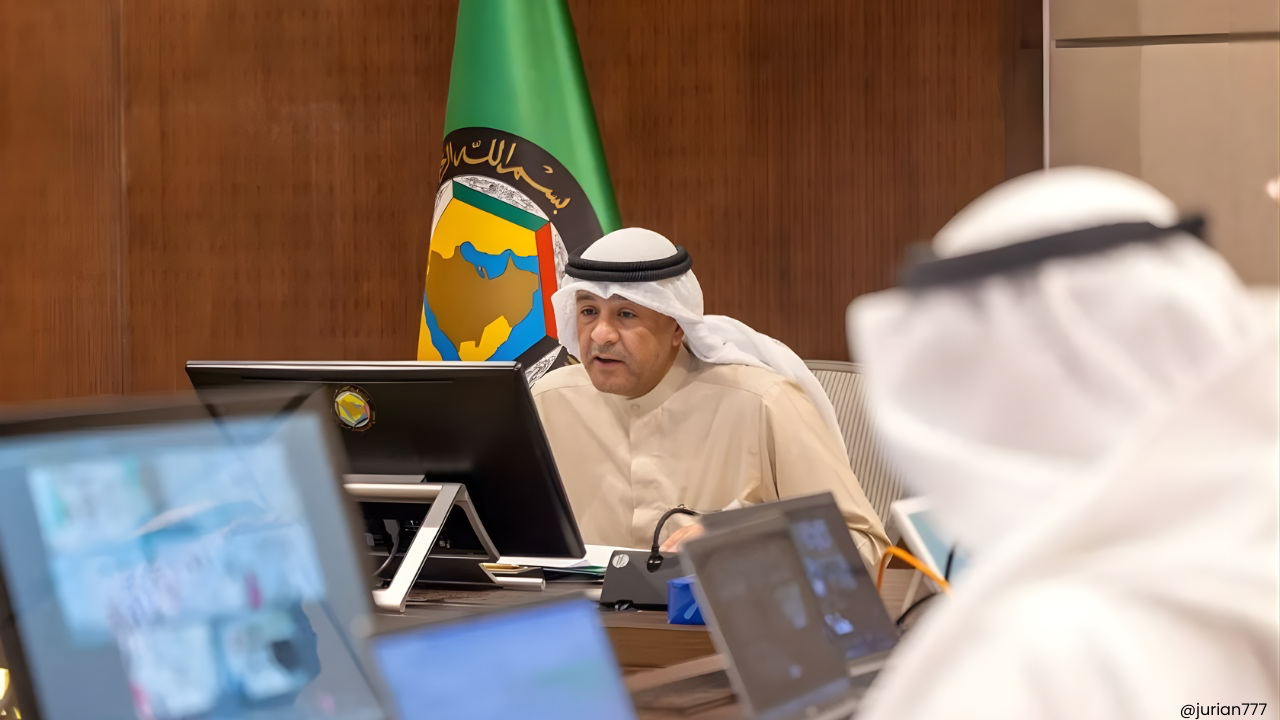
Acknowledging the gravity of the situation, GCC leadership has called for enhanced regional cooperation, proactive policy measures, and unified strategies to safeguard the tourism landscape. There is a collective recognition that fragmented responses would fall short in addressing a crisis of this scale. The current focus is on rebuilding traveler confidence, stabilizing aviation pathways, and maintaining tourism operations amidst ongoing geopolitical turmoil.
Even with these challenges, there is a measure of cautious optimism regarding the GCC's potential for recovery. The region's robust infrastructure, extensive global connectivity, and adept crisis management history bolster this optimism. Historically, GCC nations have shown resilience by executing strategic actions and investments to weather disruptions. However, the speed of recovery will heavily rely on how swiftly tensions reduce and how effectively governmental bodies can restore trust among potential travelers and investors.
The projected loss of $32 billion transcends financial implications; it stands as a critical juncture for the Gulf’s future tourism aspirations. As the region juggles ambitions for growth against the backdrop of political realities, the capacity to evolve, innovate, and cooperate will be key in determining whether it retains its status as a global tourism leader. In a world where travel, aviation, and economic welfare interconnect, the stakes for the GCC have reached unprecedented heights.