Photo:AP
In Gaza City today, the mood is one of fear, uncertainty, and exhaustion. With Israel’s military offensive drawing closer to the city, many Palestinian families worry that they could soon be forced to leave their homes forever. This fear is not new — it is deeply rooted in history — but the current situation has renewed a painful anxiety that echoes across generations.
A City on Edge
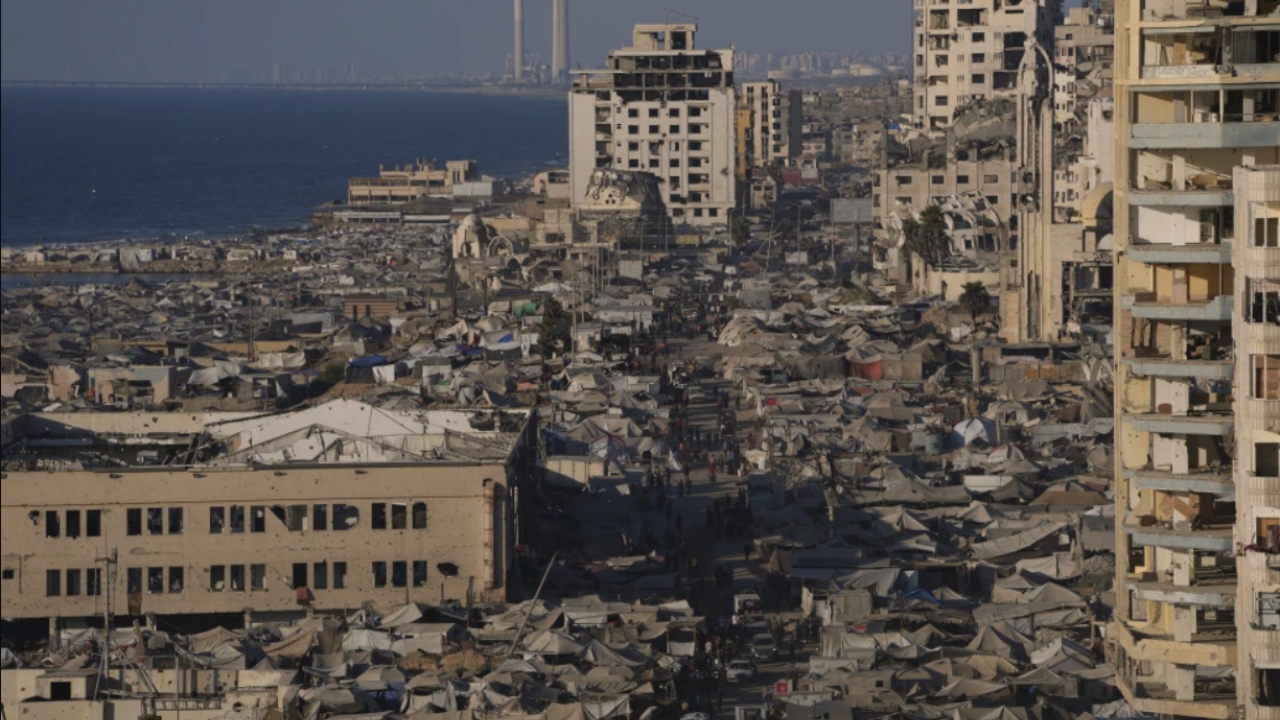
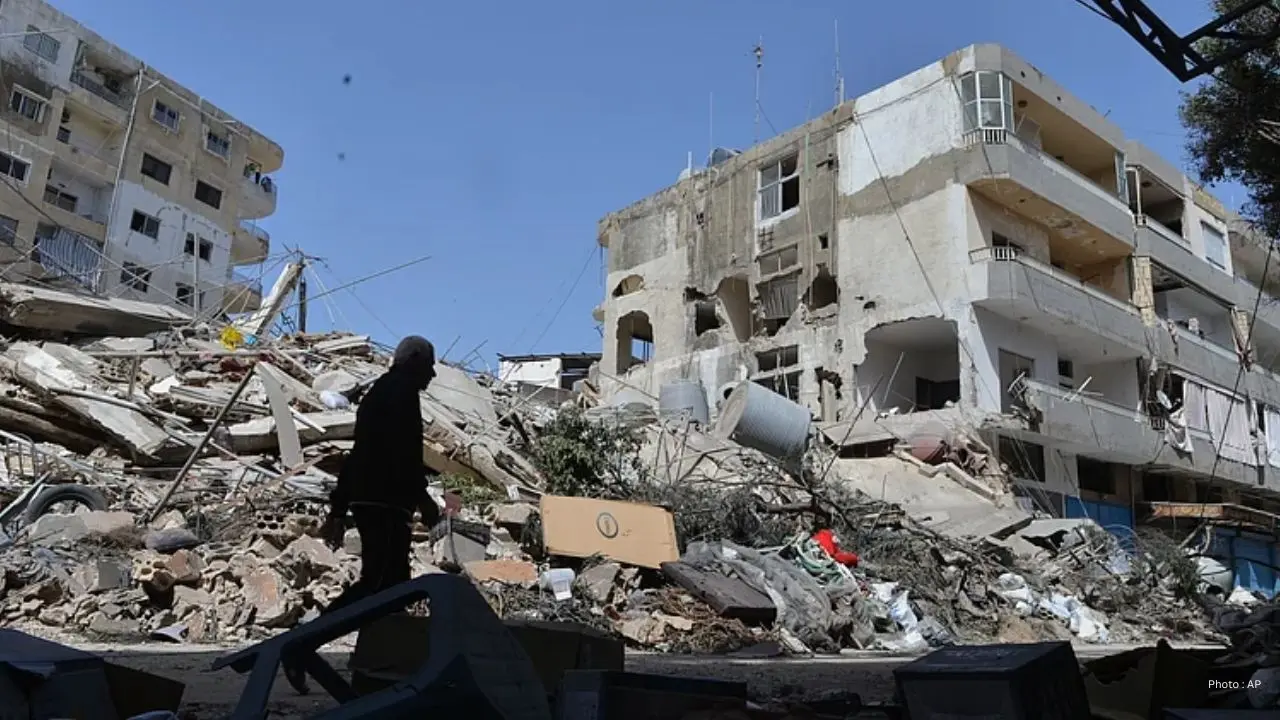
For weeks, Gaza has been under heavy bombardment. Airstrikes have destroyed homes, public buildings, and infrastructure. Entire neighborhoods once filled with life and laughter have been reduced to rubble. Families who had little to begin with now face the possibility of losing everything — their houses, their belongings, and their community.
Parents speak of children who wake up crying at night, terrified of the sound of explosions. Schools and shelters, which should be safe places, are overcrowded and often become targets themselves. Fear has become a daily companion. Ordinary life — the simple act of cooking a meal, sending children to school, or visiting relatives — has been replaced by a constant search for safety.
What makes the fear even heavier is the thought that this displacement may be permanent. Many Palestinians say they are haunted by the memory of 1948, when families were forced from their homes during the creation of the state of Israel. Many of those people never returned. Today, the same nightmare hangs over their children and grandchildren.
Humanitarian Concerns
Beyond fear of displacement, the humanitarian crisis in Gaza is growing unbearable. Clean water is running out. Food is scarce. Electricity and fuel supplies are limited, leaving hospitals struggling to function. Doctors are working under impossible conditions, treating hundreds of injured with insufficient supplies.
The United Nations and aid agencies have warned that the situation could spiral into an even bigger tragedy if civilians are forced to leave Gaza in large numbers. Human rights groups insist that forced displacement would not only cause long-term suffering but could also violate international law.
Despite repeated calls from the international community to protect civilians, the violence continues. For the people inside Gaza, these appeals often feel too little, too late.
The Broader Picture
While Israel justifies its military operations as a response to attacks from armed groups inside Gaza, the heavy toll on civilians cannot be ignored. Each bomb that falls on a family home raises new questions about the cost of this military approach.
On the other side, Palestinians fear that the world does not hear their voices, or that their suffering is seen only as numbers and statistics. Behind each number is a human story: a mother who has lost a son, a child who has lost their father, a family that has lost the only home they have ever known.
This cycle of violence has played out repeatedly over the years — wars, ceasefires, short periods of rebuilding, followed by more destruction. But the possibility of permanent displacement has made this round of fighting especially painful. Palestinians fear that if they are pushed out of Gaza City now, they may never return.
The Moral Question
It is clear that both sides in this conflict have suffered. Israeli families living near Gaza also live under fear of rockets, and many have lost loved ones to attacks. But the scale of destruction and displacement in Gaza raises an urgent moral question: how much civilian suffering can the world allow before action is taken to protect innocent lives?
War always brings tragedy, but when an entire population feels that its very existence is under threat, the conflict moves into dangerous territory. Displacement is not just about losing a home; it is about losing identity, culture, and belonging. For Palestinians, this strikes at the very heart of who they are as a people.
The Way Forward
An enduring peace cannot be reached if civilians continue to pay the price. What is desperately needed is a serious international effort not only to stop the fighting but also to address the roots of the conflict: decades of unresolved disputes over land, security, and dignity.
If the international community wishes to prevent yet another generation from growing up in despair, it must ensure that civilians are protected and that forced displacement is not allowed to happen. Human dignity and the right to live in one’s home must not become casualties of war.
Until then, Gaza’s people remain trapped between airstrikes and a fear that history will once again strip them of their homes and their future.