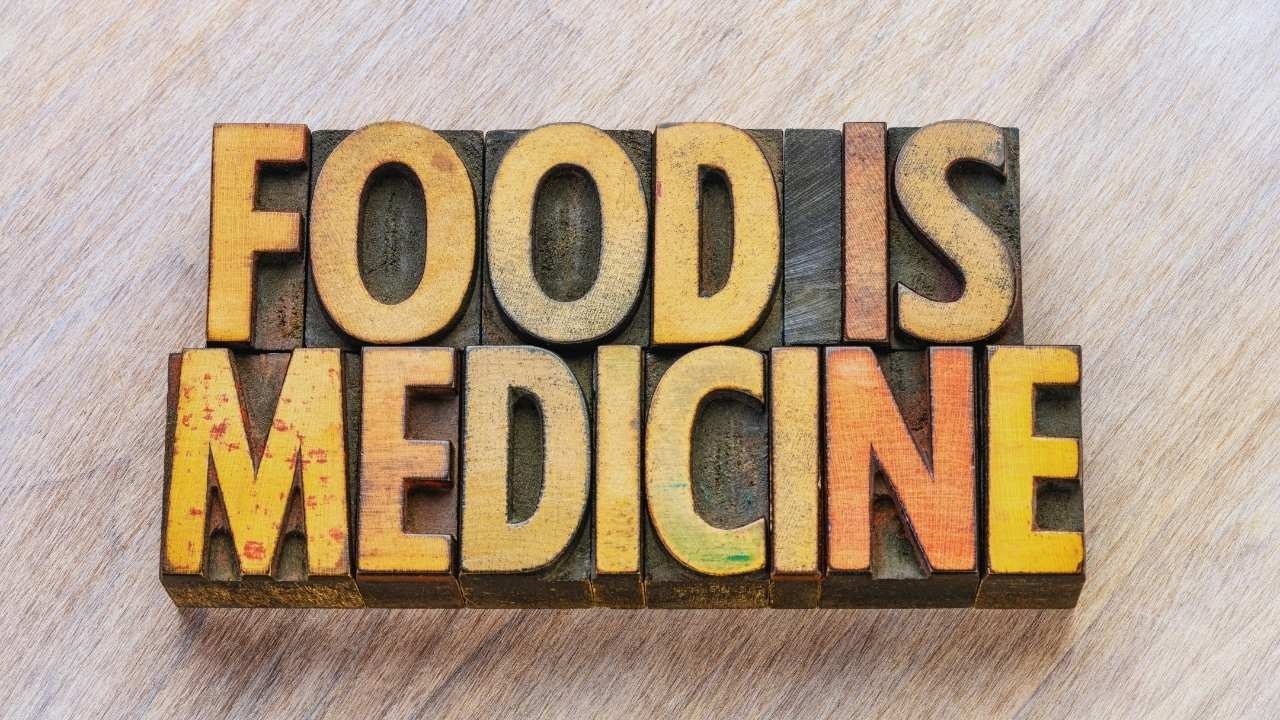
The Health Revolution: Healing Starts in the Kitchen
Medicine used to be about pills taken after illness struck. For many, tablets meant relief, while food was often just a necessity. However, the rise of lifestyle diseases altered perceptions.
As diabetes rates soared and gut health issues spread, the narrative shifted.
Now, the most effective cure is often served on a plate.
Today, clinics are not just doling out prescriptions for medications but are incorporating nutritional plans, ingredient kits, and grocery lists into their practices.
The healing journey is moving from pharmacy shelves to local markets, starting with staples from the kitchen instead of drugs.
Food’s medicinal properties are coming to light, reminding us of the wisdom our ancestors held.
Why Food is the New Frontier in Therapy
The human body flourishes on nourishment rather than solely relying on medication. Food interacts with our biology in ways that pills simply cannot.
Driving Factors Behind the Shift
-
Rising chronic diseases linked to diet and stress
-
Fatigue with ultra-processed foods
-
Breakthroughs in gut-brain research
-
Heightened awareness of metabolic health
-
Focus on preventive health care
-
Acceptance of nutrition science within the medical community
-
Soaring costs of long-term drug dependencies
-
Understanding that lifestyle ailments require lifestyle solutions
Modern medicine is undeniably effective, but it reaches its peak when combined with nutritional knowledge.
It's where the stethoscope meets the spice box.
Clinics That Serve Nutrition: A New Norm
Visit innovative clinics in wellness hotspots, and you'll find something distinct:
-
A designated nutrition consultation area
-
A creative display for seasonal produce
-
A dedicated “prescription pantry”
-
QR codes linked to grocery lists
-
Interactive fermenting stations
-
Access to culinary workshops focused on nutrition
-
Panels on plant-protein and lentil education
-
Recipe booklets focused on millets
-
A nutrition coach available, not just a pharmacist
Gone are the days of “Take this pill twice a day.” Now, doctors might advise:
-
“Incorporate one cup of lentils daily.”
-
“Trade evening cookies for sprout bowls.”
-
“Use cold-pressed oils in place of refined oils.”
-
“Add fermented foods three times a week.”
-
“Opt for whole fruits with fiber instead of juice.”
-
“Fill half your plate with vegetables.”
Traditional medicine doesn’t vanish; instead, food takes center stage.
The Restoration of India’s Culinary Heritage
Food-as-medicine isn't a foreign concept; it has been embedded in Indian culture for ages.
-
Turmeric milk was more than a trend; it was a tradition.
-
Gut-loving drinks like kanji and buttermilk predated modern discoveries.
-
Herbs like methi and ajwain were used for digestion long before research validated them.
-
We knew that ghee was essential for nutrient absorption long before modern science caught up.
-
Whole grains and lentils provided balanced nutrition eons before supplements came along.
This long-standing wisdom is resurfacing, now endorsed by scientific research and validation.
What Grocery Prescriptions Entail
Today's grocery prescriptions resemble medical ones but are far more appetizing.
Typical Contents
-
Whole grains, including millets and brown rice
-
Protein sources like lentils, fish, eggs, and dairy
-
Healthy fats from nuts, seeds, and ghee
-
Lists of seasonal produce
-
Fermented food suggestions
-
Hydration strategies using herbal infusions
-
Spice recommendations for various health benefits
Items Generally Excluded
The philosophy shifts from mere elimination to enhancement.
Food isn’t simply cut out; it’s improved and refined.
The Evolving Landscape of Nutrition Consultation
Health involves more than just medications; it encompasses diet, habits, and mindset.
Routine remains the most effective wellness tool at our disposal.
The Emergence of Food Pharmacies and Subscription Models
Food subscription services are collaborating with clinics to offer:
-
Weekly boxes of fresh produce
-
Local grain selections
-
Total protein kits
-
Pre-measured fermenting mixtures
-
Medicinal spice blends
-
Combination packs of millets
-
Meals for gut health
-
Items suitable for diabetic diets
Some clinics are even providing grocery kits in partnership with local farmers, ensuring access to fresh produce.
This transforms the supply chain into a health network.
Food as a Partner for Fitness
Gyms and wellness centers are now incorporating nutrition-focused labs into their workout venues.
Changes in Philosophy
| Old Mindset |
New Mindset |
| Burn calories |
Nourish before surrender |
| Focus on protein shakes |
Prioritize balanced meals |
| Caution towards carbs |
Strategic carb consumption |
| Cheat meals |
Mindful indulgences |
| Workouts alone |
Integrate habits, sleep, meals, stress |
Food is not the enemy of fitness; it is its driving force.
Mental Well-being Interlinked with Nutrition
Food now plays a significant role in mental health treatment strategies.
Why?
-
Gut bacteria can influence emotions
-
Micronutrients impact brain function
-
Balanced energy contributes to mood stability
-
Healthy foods help decrease inflammation linked to mood disorders
Using food as therapy isn’t a whimsical notion; it’s rooted in biochemistry.
A warm bowl of lentils is comforting, while magnesium-rich foods can provide calmness. Probiotics can support stress relief.
Our emotional health has a profound connection to our digestive system.
Clinicians Transitioning into Kitchen Educators
Healthcare providers are moving beyond just prescribing pills; they're teaching:
-
How to decipher food labels
-
Understanding protein needs
-
Crafting a balanced plate
-
Importance of oil quantities
-
Fiber's role in gut health
-
How to eat slowly for hormonal balance
Imagine a clinician discussing portion sizes rather than only medication dosages.
Healthcare regains its human aspect.
Community as a Support for Wellness
Urban centers are embracing community food initiatives:
-
Cooking collectives focused on millets
-
Fermentation workshops in neighborhoods
-
Groups connecting consumers with farmers
-
Workshops around nutrition in local temples
-
Cooking partnerships for seniors
-
Corporate nutrition forums
Wellness becomes a shared journey.
Healing is better together.
A community that dines together thrives together.
Not a Trend — A Return to Fundamentals
Food-as-medicine represents a step back to sanity, not a passing fad.
People are growing weary of:
-
Temporary wellness fixes
-
Reliance on medications
-
Energy fluctuations caused by added sugars
-
Digestive issues addressed solely with drugs
-
Fitness without a nutritional base
-
Guilt from emotional eating
Individuals are choosing straightforwardness over complexity.
Fresh herbs over artificial flavors.
Spiced water over chemical solutions.
Local produce over processed foods.
Homemade meals over pre-packaged items.
This concept may feel novel, only because we’ve strayed from simplicity.
Challenges on the Horizon
While promising, this movement faces obstacles:
-
Cost of fresh groceries in urban scenarios
-
Access to credible food education
-
Busy lifestyles taking a toll
-
The stronghold of marketing in packaged foods
-
The medical field still adapting
-
Knowledge gaps in food literacy
-
Emotional bonds with convenience food
Change must be grounded in communities, not just individuals.
The Outlook for Food Prescriptions
We can anticipate:
-
Meal kits synchronized with metabolic needs
-
Wearable tech-driven diet coaching
-
Partnerships with local farmers and healthcare establishments
-
Programs for corporate food therapy
-
Nutrition support in schools
-
Insurance benefits for lifestyle adherence
-
AI-driven personalized grocery lists
-
Food and mood tracking journals
-
QR code recipe prescriptions
-
Credit schemes for nutrition in underprivileged communities
Healthcare will increasingly extend into kitchens, communities, and agricultural landscapes.
Conclusion: The Essence of Health Resides in Culinary Traditions
This isn’t about creating something novel; it’s about reawakening truths.
Wellness is much more than solely relying on pills; it thrived in:
-
Fresh ginger steeped in water
-
Turmeric blended into ghee
-
Home-prepared yogurt
Slow-cooked lentils
-
Vegetables cooked with care
-
Seasonal fruits chosen with intention
-
Water consumed throughout the day
-
Balanced spices guided by intuition
Future clinics won’t feel antiseptic; they will emanate the aroma of home-cooked meals.
The focus will shift from packaged solutions to wholesome, nutritious offerings, delivered in flavors, not chemicals.
Disclaimer
This article highlights emergent trends in nutrition and wellness and is not intended as medical guidance. Individuals should seek advice from qualified health professionals before enacting any dietary changes, especially those with existing health conditions.