Finance leaders from 11 nations, including the UK, Japan, and Australia, have urgently called for prompt and unified global action to tackle the economic repercussions of rising tensions in the Middle East.
This collective appeal was made in London, where the ministers underscored the critical need for international collaboration to alleviate threats to financial stability and economic progress on a global scale.
They urged key institutions like the International Monetary Fund (IMF) and the World Bank to extend targeted emergency assistance to nations directly affected by the unrest.
The recent ceasefire between the U.S. and Iran was welcomed by the ministers, seen as a vital measure for safeguarding civilians and advancing stability in the region, while they also called for a long-term resolution.
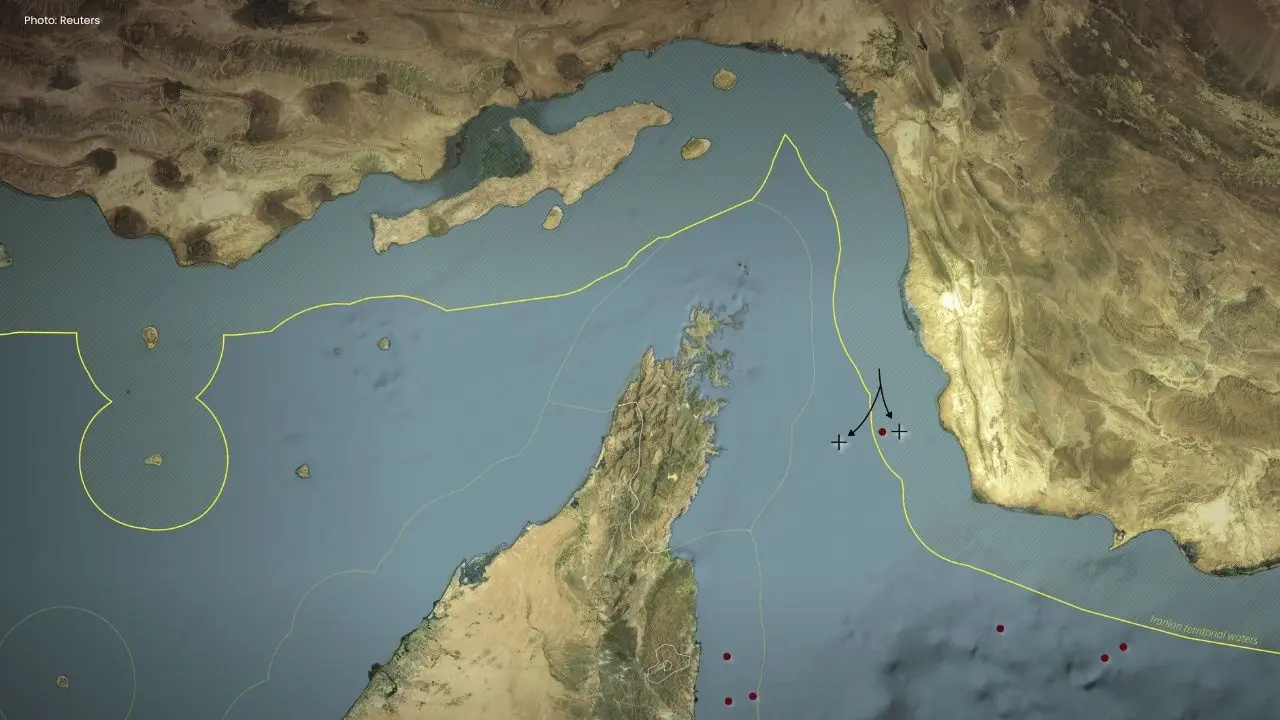
A warning was issued regarding potential escalations or disruptions in the Strait of Hormuz, acknowledging the serious implications for global energy supplies, trade routes, and financial markets.
Concerns were raised that the economic ramifications could linger, impacting inflation, growth, and investor confidence even during periods of peace.
The ministers emphasized that synchronized global policy actions are vital to reduce long-term economic fallout and maintain stability in international markets.
This meeting reflects escalating worries among significant economies regarding the extensive financial implications of geopolitical turmoil in the Middle East.