When a Penguin Became a Cultural Icon
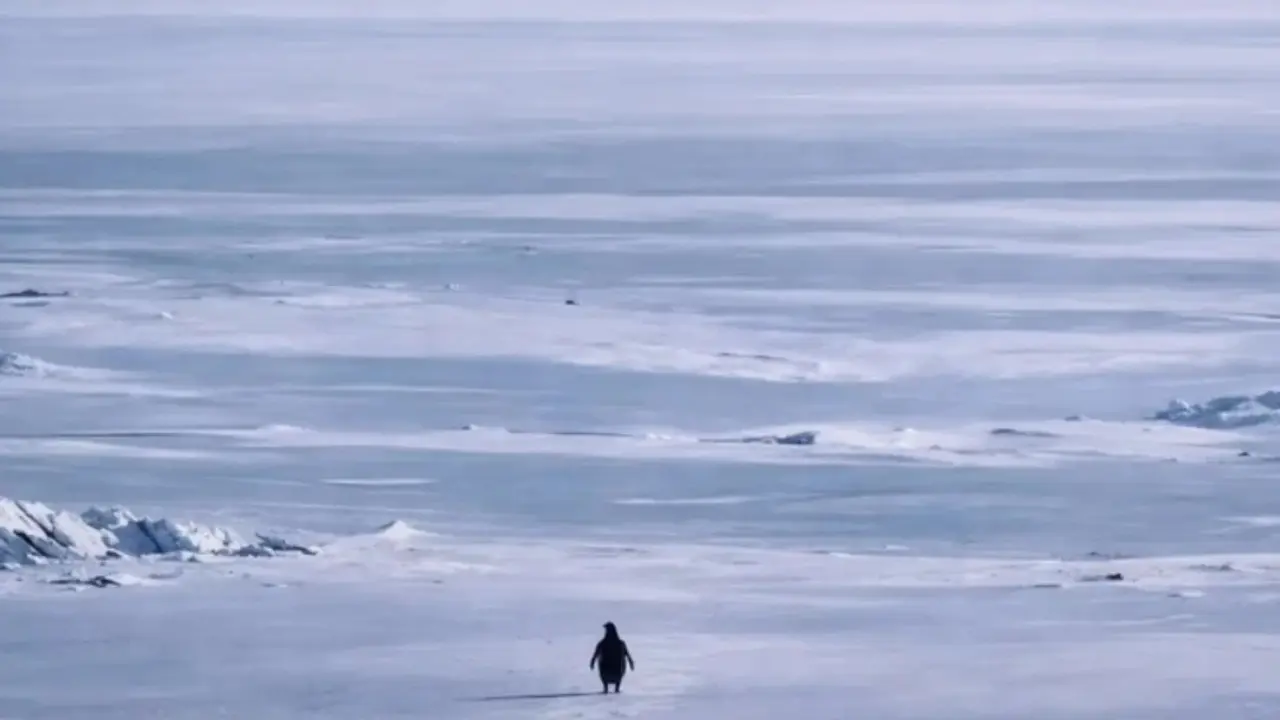
The internet has a knack for transforming the mundane into cultural phenomena, yet nothing quite captured the collective sentiment like the “Nihilist Penguin” in 2026. A brief video featuring a solitary penguin straying from its group towards distant icy mountains ignited a flurry of responses across social media. Instead of being seen as merely an odd wildlife moment, it evolved into a powerful symbol of existential ennui, silent defiance, and emotional withdrawal. In an online environment desperate for meaning, this lone penguin’s journey struck a profound chord.
What truly set this video apart was its understated nature. The penguin didn’t exhibit frantic behavior or second-guess its path; it simply walked on. For countless viewers, this visual echoed their own feelings eerily well. The simple imagery quickly morphed from comedic to a cultural reference for modern-day disillusionment and reflection. To unpack this phenomenon, we must delve into the origins of the footage, the psychology behind viral content, and the broader societal dynamics that transformed a penguin's quiet march into a global trending topic.
The Story Behind the Penguin Clip
A Nature Documentary Moment Revisited
The iconic footage known as the “Nihilist Penguin” didn’t originate in the realm of social media; it first appeared in a nature documentary filmed years prior, documenting life in one of Earth’s toughest climates. While capturing instances of community and instinctual cooperation, the camera briefly caught a solitary penguin diverging from the group’s route, opting to venture inland rather than towards the waiting ocean.
At that time, the moment held no deeper significance beyond scientific interest. Wildlife documentaries often capture peculiar animal actions, and this was simply one such moment. Without any narration, the scene quietly unfolded, offering no context to explain the penguin’s choice. Ultimately, this absence of explanation would play a crucial role in its subsequent viral success.
The Clip's Comeback in 2026
Timing and Emotional Resonance
The re-emergence of the penguin clip in 2026 was far from coincidental. Social media algorithms often elevate content that elicits strong emotional responses, which this clip undeniably did. Initially shared out of simple curiosity, it was rapidly reframed with captions linking the penguin’s solitary journey to human experiences of burnout, disconnect, and existential musings.
The timing was equally significant. A global audience in 2026 faced economic anxiety, cultural divides, and an overwhelming sense of fatigue fueled by constant digital engagement. In this backdrop, the image of a penguin quietly retreating from the collective resonated on a deeper level, representing a visual metaphor for stepping back from societal expectations, even when the approach was uncertain.
The Emergence of the 'Nihilist Penguin' Meme
From Wildlife Footage to Cultural Symbol
As the penguin clip gained traction, users began adding captions that transformed it into a relatable meme. The penguin evolved from a mere animal into a representation of human experience, with phrases highlighting emotional detachment, a rejection of significance, or a silent form of protest. The term “Nihilist Penguin” spontaneously arose, encapsulating the sense that the penguin depicted one opting out of meaning entirely.
This metamorphosis exemplifies the essence of meme culture, where a single image or clip becomes a medium for shared narratives. Viewers projected their stories onto the penguin’s actions, perceiving it as a reflection of their own desire to disengage or to abandon pretense. Humor coexisted with sincerity, oscillating between genuine emotional expression and irony.
The Meme's Emotional Impact
Collective Reflection
Human beings have long projected narratives onto animals, and social media amplifies this tendency. The “Nihilist Penguin” surfaced at a time when many felt drained and overstimulated. The penguin’s slow, deliberate movement became a counterbalance to the cacophony of online chatter. It refrained from explanation or justification, merely stepping forward.
For some, the meme elicited laughter as it exaggerated apathy. For others, it served as a balm, validating feelings that were hard to articulate. The penguin became a safe vessel through which audiences could express dissatisfaction without confronting it directly, functioning as a collective emotional release.
The Nature of Remix Culture
Endless Reinterpretation
As the meme solidified its place in popular culture, remixing flourished. Users coupled the clip with melancholic melodies, philosophical propositions, or minimalist captions. Others leaned into the absurd, using the penguin to satirize overthinking itself. Each reinterpretation layered new meanings, ensuring the meme’s freshness amid digital saturation.
This adaptability is why the “Nihilist Penguin” sustained its relevance longer than many transient viral trends. It could be earnest or humorous, poignant or absurd. It spoke to diverse audiences in multiple ways, enabling viewers to see what they wished to see, making it as much about interpretation as the original footage.
The Science Behind the Walk
Behavior Unshackled From Philosophy
While the internet embraced metaphor, scientists provided a more grounded explanation. Penguins, like all creatures, can display atypical behavior. Factors such as disorientation, illness, neurological issues, or changing environments can lead an individual to stray from expected paths. Thus, the penguin’s inland journey was not necessarily a sign of conscious rebellion.
From a biological viewpoint, the penguin simply reacted to stimuli in a manner that diverged from norms. However, this scientific insight did little to restrain the meme’s allure; rather, it underscored a significant truth about viral culture: emotional resonance often trumps factual correctness.
The Disconnect Between Meaning and Reality
Why Facts Were Secondary
The persistence of the “Nihilist Penguin” meme, despite scientific clarification, highlights how consumers engage with digital content. The meme was never merely about factual truth but about emotional resonance. Even as professionals explained that the penguin’s actions lacked symbolic weight, users continued to share and reinterpret the clip.
This discrepancy between interpretation and reality isn’t exclusive to this trend. Memes often flourish when they evolve beyond their original contexts. The penguin’s walk morphed into a narrative that people urgently needed, regardless of its literal accuracy, resembling modern folklore more than straightforward reporting.
Insights on Contemporary Life
A Symbol of Quiet Withdrawal
In essence, the “Nihilist Penguin” phenomenon mirrors a widespread sentiment of quiet fatigue. Unlike louder forms of expression, the meme was subdued. It didn’t demand attention but merely existed, advancing without justification. This subtlety resonated with those feeling pressured by constant performance demands.
The penguin’s journey hinted at an alternative response to chaos: disengagement—not through dramatic exits, but calm, considered withdrawal. In an era that often idolizes relentless productivity, this visual felt revolutionary in its simplicity.
The Meme's Enduring Legacy
What Will Keep It Alive
Many viral trends blaze brightly yet extinguish quickly, but the “Nihilist Penguin” has left a more profound mark. Its longevity lies in its ambiguity. Lacking a singular meaning, it remains significant across various emotional landscapes. People can revisit it when feeling lost, amused, or contemplative.
The meme exemplifies the way digital culture increasingly merges humor with deeper philosophical inquiries. A fleeting animal clip transformed into a shared lexicon for discussing meaning—or its absence. Such cultural impact is rare, which explains why references to the penguin's notable trek continue long after its initial viral surge.
Conclusion: A Journey of Duality
The “Nihilist Penguin” did not set out to symbolize anything, yet it became an emblem. Through the shared imagination of the internet, a minute animal action blossomed into a profound reflection of human emotion. The meme’s success pivots not on what the penguin truly did, but on what observers perceived in it. It functioned as a mirror, revealing viewers' thoughts, uncertainties, and understated wishes to retreat from society's chaos.
Ultimately, the penguin’s solitary march signifies both everything and nothing. Scientifically, it was merely a penguin walking. Culturally, it represented collective recognition. This interplay is what made the “Nihilist Penguin” one of 2026's most unforgettable viral moments, emphasizing that meaning is often crafted by us rather than discovered.
Disclaimer: This article serves solely for informational and cultural exploration. Interpretations of viral phenomena and animal behaviors stem from available insights and expert discourse at the time of writing. The meanings assigned to memes are subjective and may shift over time.