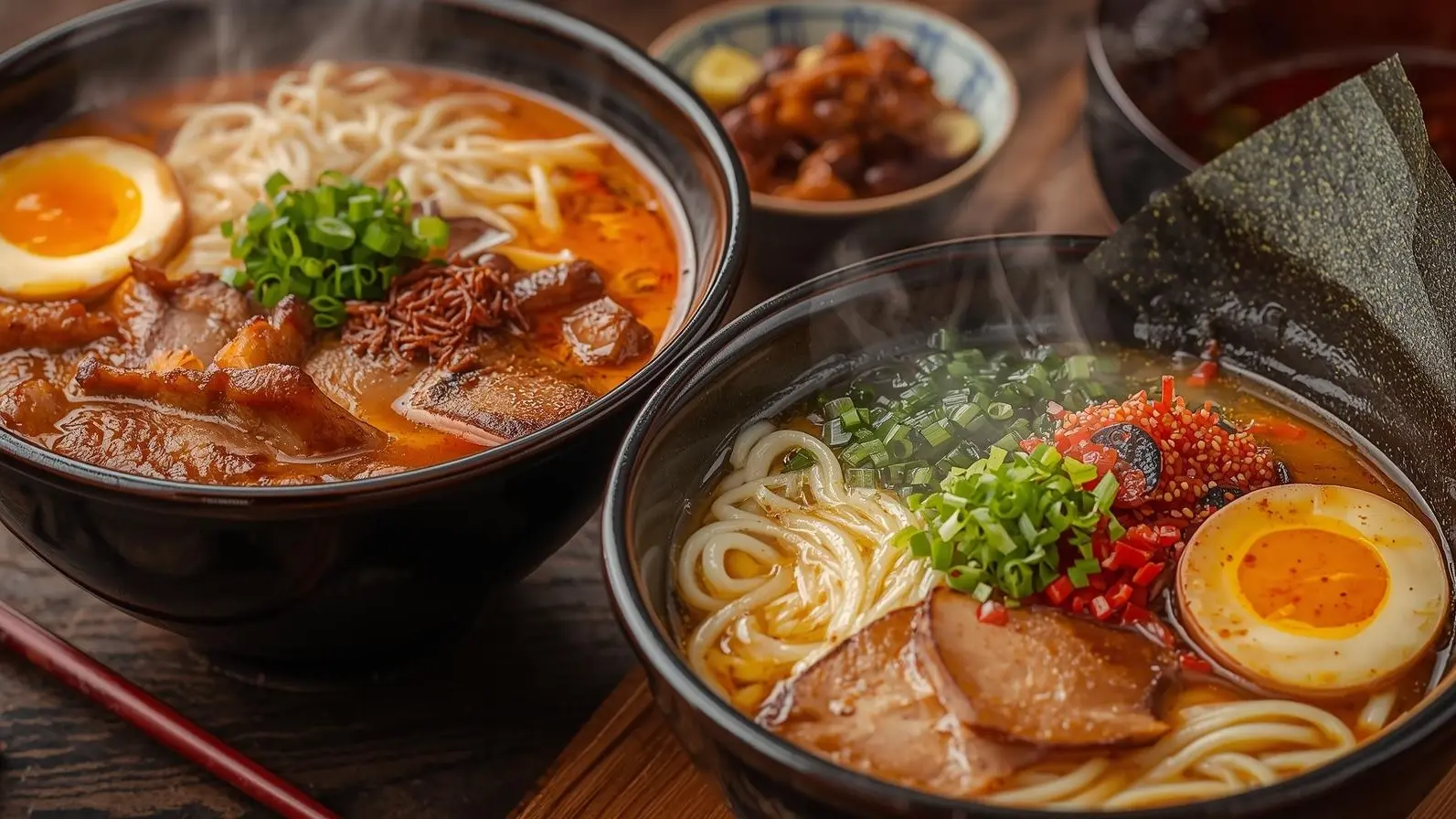
Exploring Japanese Ramen: Tonkotsu, Shoyu, Miso & More
Japanese ramen is much more than just noodles served in broth; it embodies regional diversity, cultural significance, and countless variations influenced by climate, local ingredients, and historical contexts. From robust pork-based broths to delicate soy-flavored soups and bold miso creations, the styles of ramen vary tremendously across Japan. This guide breaks down popular types of ramen, such as Tonkotsu, Shoyu, Miso, and notable regional variations, equipping travelers and food enthusiasts with knowledge on what to anticipate and sample.
Regional Differences in Ramen
Ramen differs primarily based on four key aspects: broth base, seasoning (tare), noodle shape, and toppings. Each region prioritizes different combinations depending on local tastes and available ingredients. Seasonal weather also influences preferences, with colder areas gravitating towards richer broths while warmer locations enjoy lighter flavors.
Understanding Tonkotsu Ramen
Originating from Fukuoka in southern Japan, Tonkotsu ramen is celebrated for its richly creamy broth obtained by boiling pork bones for many hours until the marrow and collagen dissolve.
Broth characteristics
-
Thick, milky white pork bone broth
-
Deep umami flavor with a rich texture
Noodles
-
Thin, straight noodles complement the heavy broth
Common toppings
-
Chashu pork slices
-
Soft-boiled egg
-
Green onions
-
Wood ear mushrooms
Tonkotsu ramen is substantial and indulgent, often regarded as the boldest style. It particularly appeals to those who favor strong and creamy flavors.
Shoyu Ramen Explained
Recognized as one of Japan's oldest and most prevalent ramen styles, Shoyu ramen originated in Tokyo and is distinguished by its clear, brown broth enriched with soy sauce.
Broth characteristics
-
Light to medium-bodied broth derived from chicken, seafood, or a combination
-
Salty, savory notes due to the soy sauce
Noodles
-
Medium-thin, slightly curly noodles
Common toppings
-
Chashu pork
-
Bamboo shoots
-
Nori seaweed
-
Green onions
Shoyu ramen delivers a balanced and comforting taste, making it less heavy than Tonkotsu, perfect for those preferring a classic, everyday ramen.
Miso Ramen Insights
Miso ramen, hailing from Hokkaido, the northernmost island of Japan, is crafted to endure cold weather with its rich, warming attributes.
Broth characteristics
-
Hearty broth seasoned with fermented soybean paste
-
Deep, slightly sweet yet salty flavor
Noodles
-
Thick, curly noodles that hold onto the dense broth
Common toppings
-
Corn
-
Butter
-
Bean sprouts
-
Ground pork
Miso ramen is bold and satisfying, often considered the most flavorful option, especially popular in winter months and among those craving comfort food.
Decoding Shio Ramen
Shio ramen represents the lightest and most nuanced variety, employing salt as the primary seasoning to bring out the inherent flavors of the broth ingredients.
Broth characteristics
-
Clear, light, and refreshing
-
Commonly seafood or chicken-based
Noodles
-
Thin, straight noodles
Common toppings
-
Chicken slices
-
Fish cake
-
Seaweed
-
Green onions
Shio ramen is perfect for those seeking subtle flavors and a lighter meal without heaviness.
Regional Ramen Styles in Japan
Beyond primary categories, Japan's regional ramen showcases local creativity.
Hakata ramen (Fukuoka) is a Tonkotsu variant featuring ultra-thin noodles that can be customized for firmness.
Sapporo ramen (Hokkaido) is known for its miso base, complemented by corn and butter.
Kitakata ramen (Fukushima) combines thick, flat noodles with soy-based broth.
Onomichi ramen (Hiroshima) pairs soy sauce broth with chicken and small fish, garnished with floating pork fat.
Wakayama ramen merges soy sauce and pork bone broth to create a middle ground between Shoyu and Tonkotsu styles.
These regional variations highlight local tastes and offer exciting exploration opportunities for ramen enthusiasts throughout Japan.
Noodle Types and Their Significance
Noodles are as crucial as the broth itself. Their shape, size, and firmness impact how the ramen is experienced.
Thin noodles complement rich broths like Tonkotsu, while thicker or curly noodles are best suited for heavier broths like Miso. Many ramen establishments allow customers to select noodle firmness, particularly in Tonkotsu ramen.
Toppings and Customization Options
Toppings can vary by region and establishment, but common choices include pork slices, eggs, seaweed, bamboo shoots, and green onions. Some areas also offer additions like butter, corn, or seafood. Customization possibilities frequently include spice levels, garlic, and noodle texture.
Best Ramen Choices for First-Time Diners
For those trying ramen for the first time, Shoyu ramen typically serves as the safest entry point due to its balanced flavor profile. Those who relish rich and creamy soups may lean towards Tonkotsu, while visitors to colder areas usually enjoy Miso ramen. Shio ramen is excellent for lighter appetites.
Ramen Etiquette and Culture
Traditionally, ramen is consumed quickly while it's still hot. Slurping the noodles is not just permissible but encouraged, as it enhances flavor and helps cool the noodles. Most ramen shops prioritize a casual atmosphere, focusing on efficiency over prolonged dining experiences.
Concluding Thoughts on Japanese Ramen
Japanese ramen serves as a reflection of regional identities, climate, and culinary creativity. Tonkotsu offers indulgence, Shoyu presents balance, Miso brings warmth and depth, while regional styles diversify the experience. Sampling various ramen types across Japan lets travelers encounter the essence of the country through one of its most cherished dishes.
Disclaimer
This article is intended for informational purposes. Ramen recipes, flavors, and preparation methods may vary by region and restaurant. Taste preferences are subjective, and availability might differ by location and season.