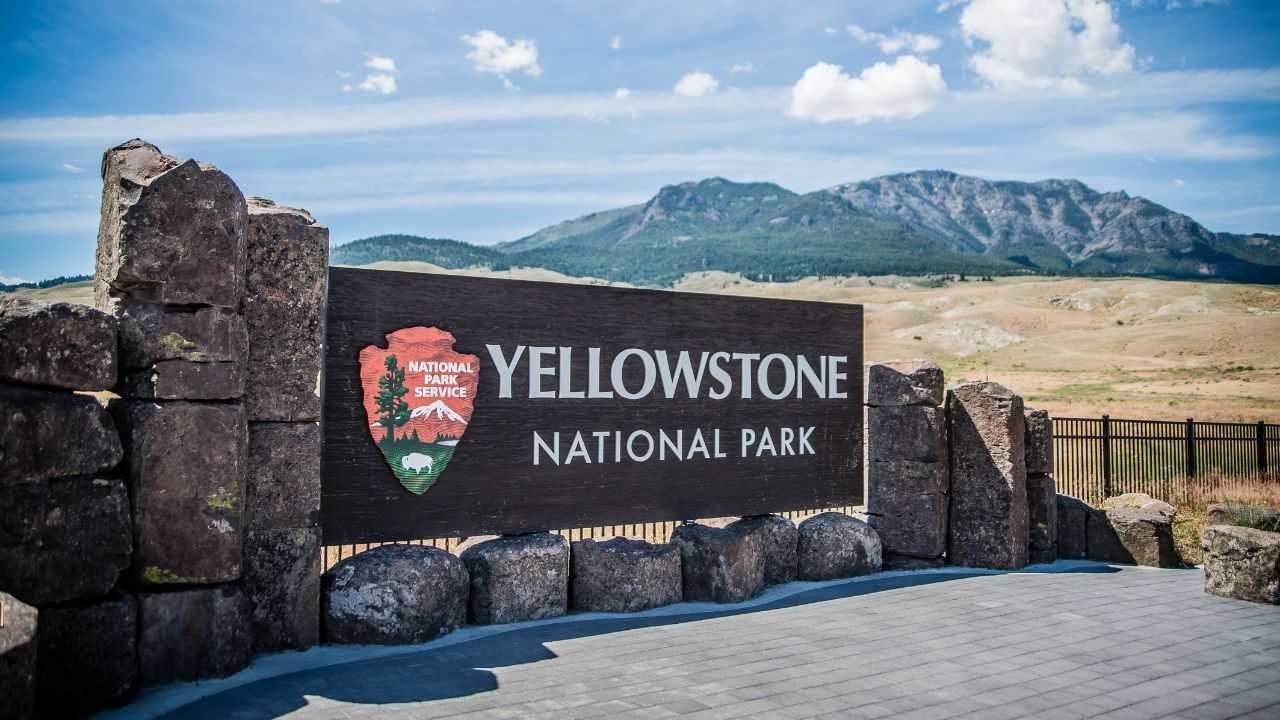
Thinking about a destination famous for its erupting geysers, majestic bison, and breathtaking canyons? You're envisioning Yellowstone National Park! As the first national park in the world, Yellowstone continues to be one of the most awe-inspiring places to experience.
This park embodies not just a natural reserve but also a vibrant ecosystem full of geological marvels and wildlife. Join us as we provide essential insights, showcase top attractions, and offer expert travel tips to ensure your adventure is enjoyable and memorable.
Understanding Yellowstone: Nature's Fire and Ice
To fully appreciate the beauty of Yellowstone, one must grasp the tremendous forces that have molded this landscape. The power lies beneath the surface, with immense heat fueling the park's wonders.
1. A Volcanic Core
Deep below Yellowstone is an ancient, dormant volcano. While entirely safe today, the underlying heat generates the park's incredible features.
-
The Basin: This park resides in a grand, collapsed volcanic basin formed from ancient eruptions. The heat that persists here is what brings the park's wonders to life.
-
A World of Steam: Home to thousands of steam vents, bubbling mud pools, and over half of the globe's active geysers, Yellowstone boasts unparalleled thermal activity.
2. Rich Biodiversity
Yellowstone is celebrated as a haven for wildlife. It provides unique chances to observe large mammals in their natural habitats.
-
Bison Herds: Be prepared to witness vast herds of wild bison that have roamed this territory for generations. Watching them leisurely cross the road is an iconic Yellowstone experience.
-
Elk and Moose: These graceful animals are often seen grazing near campground areas and rivers.
-
Top Predators: The park is home to a noteworthy population of apex predators, including grizzly bears, black bears, and wolves. Spotting these majestic creatures is a rewarding challenge for wildlife enthusiasts.
Top Attractions to Visit
Yellowstone spans thousands of miles, but thankfully most major attractions are easily accessible via the Grand Loop Road. Here are the key stops every first-time visitor should not miss.
1. The Geyser Basins
This is where the raw geological activity is manifested with powerful eruptions and strikingly colorful springs.
-
The Iconic Geyser: This globally recognized geyser features predictable eruptions approximately every hour and a half. Don't forget to check posted timings near the visitor center and arrive early.
-
The Rainbow Spring: A massive hot spring characterized by its vibrant and shifting hues—a combination of deep blue, green, yellow, and red, produced by various heat-loving microbes. For the most stunning view of its color palette, take the short trail to the nearest high point.
2. Mammoth Hot Springs
Heading north, you'll discover a geological spectacle unlike the geysers.
-
Travertine Terraces: Hot water filled with minerals rises, cools, and deposits unique formations resembling tiered staircases. Each visit offers a new perspective as these stunning formations continuously evolve. Enjoy both upper and lower terraces via the designated pathways.
3. The Grand Canyon of the Yellowstone
Witness a stunning canyon shaped by the river over centuries.
-
Majestic Waterfalls: The Yellowstone River plunges over two exceptional cascades: the Upper and Lower Falls, with the latter renowned for its size and grandeur.
-
Iconic Vistas: Be sure to visit famed overlooks like Artist Point for breathtaking views of the yellow-hued canyon walls and waterfalls cascading into the gorge.
4. Wildlife Heart: The Expansive Valleys
If wildlife spotting is your primary goal, prioritize the large open areas in the park, particularly in the eastern and central valleys.
-
Optimal Viewing Times: Early morning and late evening offer the best chances to see animals. Bring binoculars and watch for movement near tree lines.
-
Be Ready for Bison Traffic: Patience is key as you navigate potential bison traffic—it's all part of the Yellowstone experience!
Pro Travel Tips for Your Visit
With its remote allure and popularity, a few handy tips can make your trip smoother.
1. Best Times to Visit
-
Summertime: Peak Season: All roads are accessible, and weather is typically warm, though crowds peak. Book lodging up to a year in advance if traveling mid-summer.
-
Spring & Fall: Shoulder Seasons: These seasons showcase picturesque views with fewer crowds and optimal wildlife viewing, but watch for possible road closures due to snow or ice.
2. Park Entrances
You have five significant access points to the park. Choose your entry based on where you plan to spend most of your time:
-
Western Entrance: Provides the most direct route to the geyser basins.
-
Northern Entrance: Open year-round and leads to the unique Mammoth Hot Springs area.
-
Southern Entrance: Direct access to a neighboring national park for a dual adventure.
3. Lodging Options
-
In-Park Lodging: Staying within one of the rustic lodges (like the historic ones near popular geysers) is recommended but expect quick bookings.
-
Outside Lodging: Many visitors choose accommodations in nearby towns, which offer a broader range of choices that can be more budget-friendly.
4. Stay Safe: Essential Rules
Being in the wild means you and the wildlife's safety depend on following a few basic guidelines.
-
Wildlife Distancing: Always maintain a safe distance. Stay at least 25 yards (about 23 meters) from bison, elk, and deer. For bears and wolves, maintain 100 yards (about 91 meters). Do not attempt to approach or feed any animal.
-
Geothermal Safety: The ground near geysers and hot springs can be fragile, and the water is extremely hot. Always stay on marked pathways.
-
Manage Your Driving: Roads may appear short on maps, but they are narrow with low speed limits. Be ready for delays due to wildlife sightings.
5. Essential Packing List
Prepare for any weather conditions!
-
Layered Attire: Weather can change dramatically; carry a warm jacket, rain gear, and lighter layers for versatility.
-
Durable Footwear: Comfortable walking shoes or light hiking boots are essential for trail explorations.
-
Binoculars: Important for safe, enjoyable wildlife viewing from a distance.
Plan Your Adventure Today
Yellowstone National Park exemplifies the wild beauty of the American landscape. A perfect blend of stunning natural phenomena—like soaring steam—and incredible wildlife experiences await. With understanding, strategy, and enthusiasm, you're set for an unforgettable and safe exploration.
Disclaimer
This article is intended for general travel guidance. It is not a substitute for official park advice or expert travel recommendations. Conditions (including road closures and safety regulations) in Yellowstone can vary frequently. Always refer to the official Yellowstone National Park website for the latest updates before your trip. Travel thoughtfully and safely.