A Beacon of Islamic Art in Doha
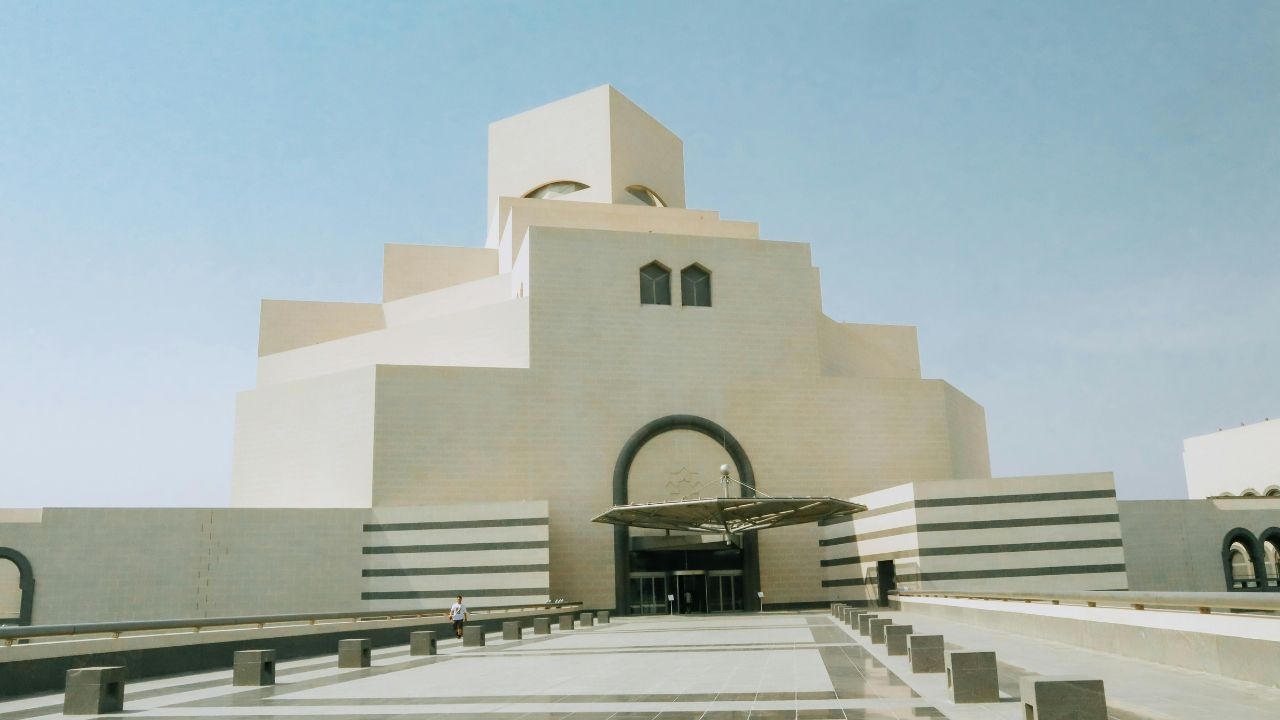
The Museum of Islamic Art (MIA) is a testament to the splendor of Islamic culture, harmonizing the ancient with the modern. Founded by the illustrious architect I.M. Pei and inaugurated in 2008, this museum is perched on the Doha Corniche, granting breathtaking views of the Arabian Gulf. Its architectural design melds traditional Islamic elements—like geometric forms and domes—with a contemporary flair, establishing it as a vital landmark in the city.
Visitors can traverse through a vast expanse of Islamic history, observing artifacts that illuminate the rich tapestry of art, science, and ingenuity inherent in the Islamic world.
Architectural Marvel and Historical Context
Design Inspiration
I.M. Pei's vision is manifested in this museum, which marries Islamic design principles with modern aesthetics. Featuring intricate patterns, grand arches, and dome-like spaces paired with clean lines, the structure invites exploration. The soaring atrium, flooded with natural light, radiates a welcoming energy, pulling visitors into a treasure trove of collections.
The Museum’s Mission
Created to safeguard and celebrate Islamic art, the Museum of Islamic Art has evolved into a cultural nucleus, presenting an array of exhibitions, educational outreach, and events that honor the artistic prowess of various Islamic civilizations.
A Glimpse into Islamic Civilization: Collections
The museum boasts a treasure house of artifacts accumulated over 1,400 years, touching three continents and exhibiting the artistic and intellectual heritage of Islamic cultures.
Rare Manuscripts and Calligraphy
Exceptional Qur’an manuscripts embellished with gold and rich colors
Scientific and literary works covering fields like astronomy and philosophy
Historical texts showcasing skillful calligraphy and artistic techniques
Military Artifacts
Intricate weapons and armor from prominent Islamic empires
Metal artifacts demonstrating exquisite craftsmanship in bronze and brass
Ceremonial items that reflect Islam’s artisanry
Cultural Crafts: Ceramics and Metalwork
Beautiful glassware and vases from the Mamluk and Seljuk dynasties
Decorative items crafted from bronze, silver, and copper
Striking display of Islamic metalworking techniques balancing form and function
Textiles and Tapestries
Luxurious fabrics from the Ayyubid and Mamluk periods
Ottoman embroidered textiles showcasing artistic wealth
Varied regional textile designs illustrating artistic diversity
Must-See Exhibits
The Damascus Room
A meticulously restored room from 19th-century Damascus, showcasing the era's domestic styles and lifestyle.
Persian Manuscripts
Manuscripts from the 16th century filled with beautiful illustrations and calls, revealing cultural richness.
Glass and Metalwork Highlights
A collection of magnificent glassware and metal items from the Mamluk and Ottoman eras, highlighting masterful craftsmanship.
Engagement through Education
Beyond its exhibitions, the MIA prioritizes education, offering a range of workshops and community programs. Participants can delve into calligraphy, arts, and guided tours, exploring the history and significance behind the collections.
The museum’s educational initiatives seek to foster a love for Islamic art, ensuring that its beauty resonates through generations.
MIA Park: A Cultural Haven
Adjacent to the museum lies MIA Park, a tranquil space featuring green areas, walking paths, and outdoor art installations. The park hosts a variety of events such as art workshops and film screenings, enriching the cultural experience at the museum.
Visitor Information
The Museum of Islamic Art can be found along the Doha Corniche, operating Saturday to Thursday from 9:00 AM to 7:00 PM, and Fridays from 1:30 PM to 7:00 PM. Admission is complimentary for residents, while international guests are charged a nominal entry fee. The museum also features a café, shop, library, and guided tours for a satisfying visitor experience.
Embark on a Journey through Islamic Art
A visit to the Museum of Islamic Art in Qatar transcends mere observation of artifacts—it immerses you in an environment where history, culture, and artistry unite. From its striking design to its curated selections, the museum captivates art lovers, history enthusiasts, and inquisitive explorers alike. Every gallery narrates stories of creativity, cultural interactions, and innovation that have defined the Islamic age.
Not only does the MIA safeguard the rich traditions of Islamic civilization, but it also inspires wonder for its timeless beauty, leaving an indelible mark on all who visit.
Disclaimer
This article serves informational and educational aims. Specific details about the Museum of Islamic Art, such as collections, exhibits, and visiting schedules, are derived from publicly accessible resources during the time of writing. Readers should confirm current details and schedules with the official museum site or authorized channels. The writer and publisher hold no responsibility for inaccuracies or changes impacting visitor experiences.