The Eurovision Song Contest has long been celebrated for showcasing the diversity of music and culture. Millions tune in annually to witness performances from various nations. However, this year's Eurovision final in Vienna has evolved from a simple music event to a significant symbol amid the escalating tensions related to the Gaza conflict and Israel's involvement.
Countries like Spain, Ireland, Iceland, Slovenia, and the Netherlands have chosen to boycott Eurovision 2026, protesting Israel's participation amid the ongoing situation in Gaza. This decision marks one of the most considerable controversies in the competition's history, illustrating how deeply the Gaza conflict resonates with public sentiments across Europe.
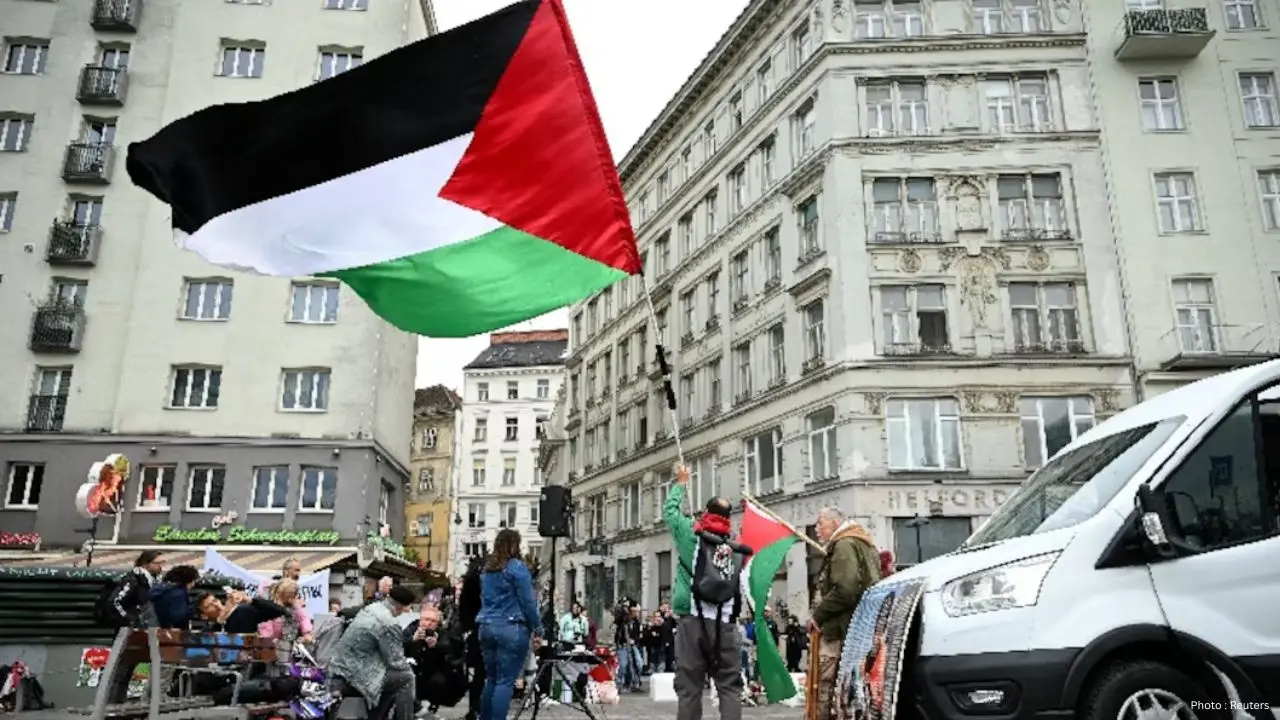
In Vienna, protests erupted both before and during the event, with demonstrators outside the venue waving Palestinian flags and voicing calls for peace. Inside, audiences reportedly expressed discontent during Israel's performance, leading to tightened security measures amid fears of further demonstrations.
The European Broadcasting Union, the organizer of Eurovision, continues to support its decision to allow Israel to compete, asserting that the event should prioritize music and unity above political divides. Critics, however, argue that it's impossible to dissociate politics from a competition viewed by millions during a time of global crisis.
This isn't the first instance where political matters have influenced Eurovision. Throughout its history, wars and international tensions have often shaped voting behaviors and audience reactions. Yet, the present Gaza situation has posed one of the most significant challenges the contest has confronted.
While advocates for Israel maintain that artists shouldn't bear the brunt of political disputes, others contend that allowing participation amidst Gaza's turmoil sends an inappropriate message globally. Such contrasting opinions have created divides among fans, broadcasters, and even past Eurovision champions.
In the face of the ongoing controversy, the competition presses on. Organizers remain hopeful that music can still unite people amidst adversity. Nonetheless, this year's Eurovision highlights the reality that international events and human suffering often overshadow platforms meant for entertainment.