On Thursday evening, leaders of the European Union confirmed their commitment to support Ukraine’s financial needs over the next two years; however, they halted plans to unlock billions in frozen Russian assets intended to assist the nation's defense efforts. This decision emerged after extensive discussions in Brussels, which underscored the complex legal and political challenges surrounding the use of Russian funds as reparations during the ongoing conflict with Russia.
The anticipated release of €140 billion in frozen Russian assets from the Belgian clearing house Euroclear has been pushed back to December. Belgian concerns regarding potential legal repercussions were cited as impediments to immediate approval. Instead, EU leaders have directed the European Commission to investigate alternative financial support solutions based on Ukraine’s actual and anticipated financing requirements. Officials reiterated that Russian assets should remain frozen until Moscow halts its aggression and compensates Ukraine for the damages incurred.
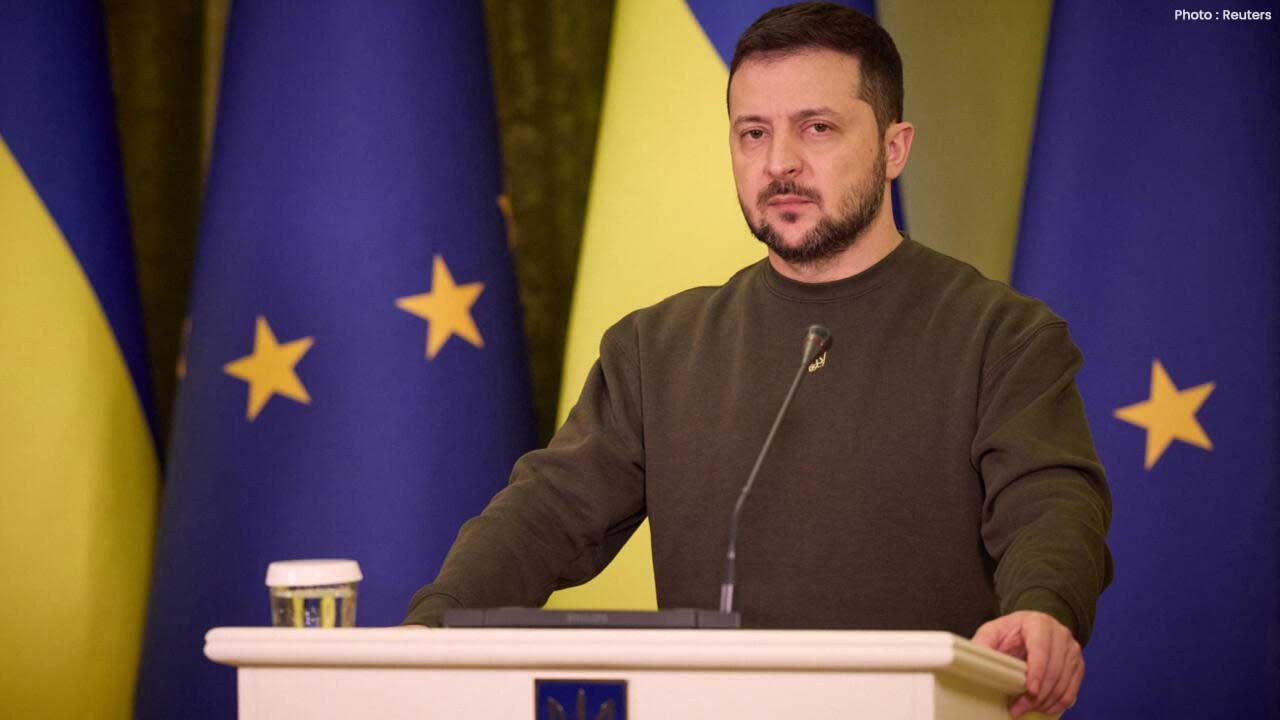
European Commission President Ursula von der Leyen referred to the situation as “complex”, emphasizing that clarifications on several issues must be resolved prior to any fund releases. Despite the deferment, the EU remains steadfast in ensuring Ukraine's financial necessities are met over the next two years. European Council President Antonio Costa remarked, “Russia should be aware: Ukraine will have the resources necessary to defend itself.” Ukrainian President Volodymyr Zelensky responded positively, viewing the decision as a strong indication of political unity from the EU.
This summit precedes an upcoming meeting in London, where UK Prime Minister Sir Keir Starmer will urge EU leaders to enhance the supply of long-range missiles to Kyiv. EU discussions also coincided with new sanctions targeting Russia’s oil revenues, aiming to limit Moscow's ability to sustain its military efforts. Analysts observed that the EU's commitment to Ukraine's financial support, alongside sanctions on Russia, presents a dual strategy for bolstering Ukraine's defenses while exerting economic pressure on Russia.
Legal roadblocks are a significant concern in the potential use of frozen Russian assets. Belgium has raised alarms over possible litigation if funds are redirected. Belgian Prime Minister Bart De Wever emphasized the unprecedented nature of the proposal, warning it could expose Euroclear to lawsuits and trigger a financial crisis. Russia, on its end, criticized the EU's recommendations, with spokeswoman Maria Zakharova threatening a “painful response” to any confiscatory actions.
The EU's recent actions follow new U.S. sanctions against the Russian oil sector, which have targeted companies such as Rosneft and Lukoil. These measures, coupled with EU actions against Chinese firms dealing in Russian crude, seek to deprive Moscow of revenue while showcasing international solidarity with Ukraine. Despite these pressures, Russia insists that the sanctions will have “certain consequences”, yet will not significantly impact its economic stability.
Looking ahead, as EU leaders plan to assess the release of frozen Russian assets again in December, the primary goal remains to assure that Ukraine's financial demands are met while safeguarding legal and diplomatic arrangements. This commitment from the bloc highlights Europe's resolve to support Kyiv in its ongoing battle, even as political and legal challenges continue to complicate the path to reparations from Russia.