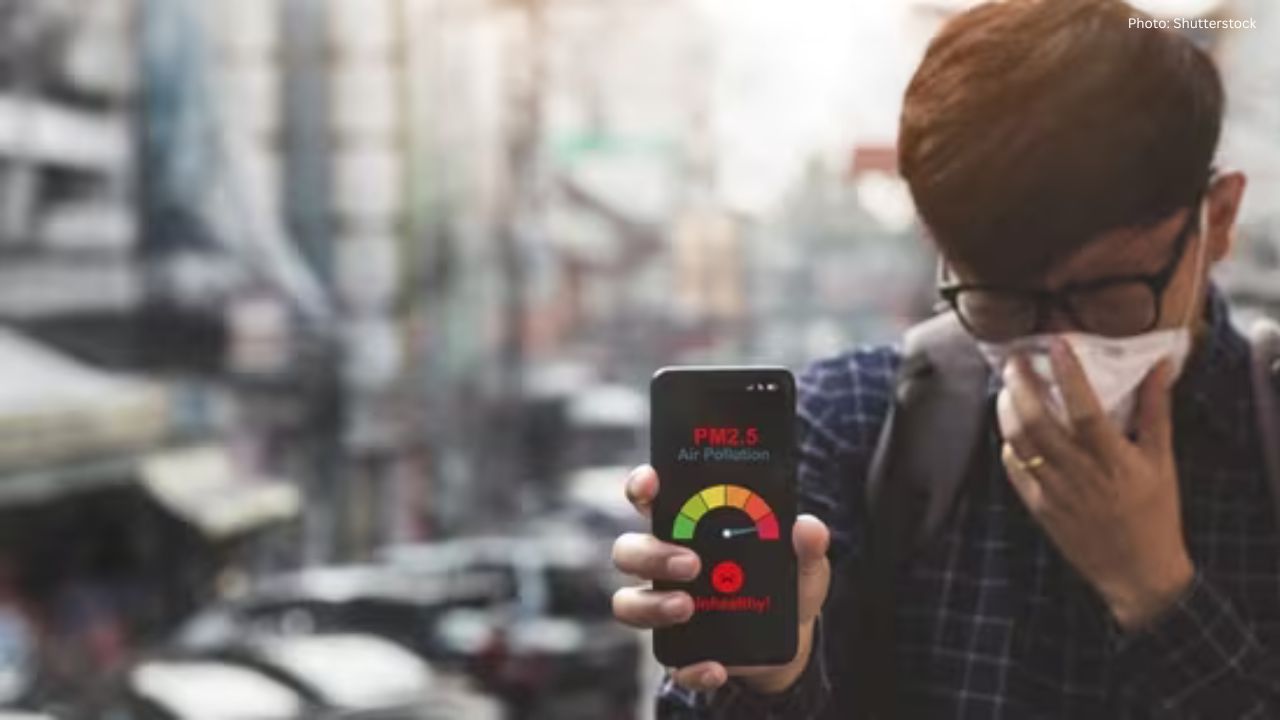
India is grappling with “very poor” air quality this winter, and emerging complications have arisen. Volcanic ash from the recent Hayli Gubbi eruption in Ethiopia has made its way into Indian airspace. This ash, laden with ultra-fine particles and sulphur dioxide, poses serious respiratory challenges for individuals across various cities.
Medical professionals noted that India’s air already suffered from high PM2.5 levels, and the combination of this volcanic ash may further amplify coughing, respiratory irritation, and breathlessness, affecting even those typically unaffected by respiratory ailments.
The Dangers of Volcanic Ash
Dr. Swapnil Mehta, a Senior Consultant in Pulmonology at Dr L H Hiranandani Hospital in Mumbai, explains that volcanic ash consists of sharp, irregular particles. When these harmful particles blend with urban pollution, they can penetrate deeper into the lungs, triggering severe respiratory responses.
This hazardous mixture may lead to airway spasms, respiratory tract irritation, and heightened oxidative stress. Individuals with asthma and chronic obstructive pulmonary disease (COPD) may face serious flare-ups even after a brief exposure. Additionally, children and the elderly are particularly vulnerable due to their lungs' limited ability to cope with sudden pollution spikes.
Symptoms to Watch For in the Next Few Days
Medical experts anticipate that many will experience discomfort within 24 to 48 hours. Common symptoms could include:
- Continuous cough
- Shortness of breath or chest tightness
- Wheezing sounds
- Burning or watering eyes
- Sore throat
- Sneezing or nasal discomfort
- Unexplained headaches or fatigue
Individuals who encounter severe breathlessness or difficulty in speaking should seek immediate medical assistance.
Residual Particles Can Still Cause Harm
Even if the volcanic ash disperses, the air might not clear up immediately. Fine particles may linger for 24 to 72 hours, interacting with existing pollutants in India’s environment to create new hazardous particles, thus delaying recovery.
The Increased Risk for Vulnerable Groups
Children experience higher risks due to smaller airways, older adults have compromised lung function, and asthma sufferers are quick to react to pollution changes. Therefore, even minor pollutant increases can yield serious effects. Health professionals urge vulnerable groups to remain especially cautious until air quality improves.
Potential Health Issues on the Rise
Medical experts caution that the coexistence of volcanic ash and pollution may escalate:
- Asthma exacerbations
- Acute bronchitis cases
- Deterioration of COPD
- Increased susceptibility to respiratory infections
Inflamed airways lose their natural defense, making it easier for viruses and bacteria to instigate infections.
Precautions to Observe Today and Tomorrow
Dr. Mehta recommends taking the following steps for safety:
- Limit outdoor activities as much as possible.
- Wear an N95 mask if going outside.
- Keep windows closed, particularly near busy roadways.
- Utilize indoor air purifiers equipped with HEPA filters.
- Adhere to prescribed inhalers and medications without interruption.
- Stay hydrated and consider steam inhalation or saline nasal rinses.
- Avoid outdoor exercises for children, the elderly, and asthma patients.
Finally, Dr. Mehta reminds everyone that this guidance is not a replacement for medical advice, and individuals experiencing serious symptoms should consult a healthcare professional.