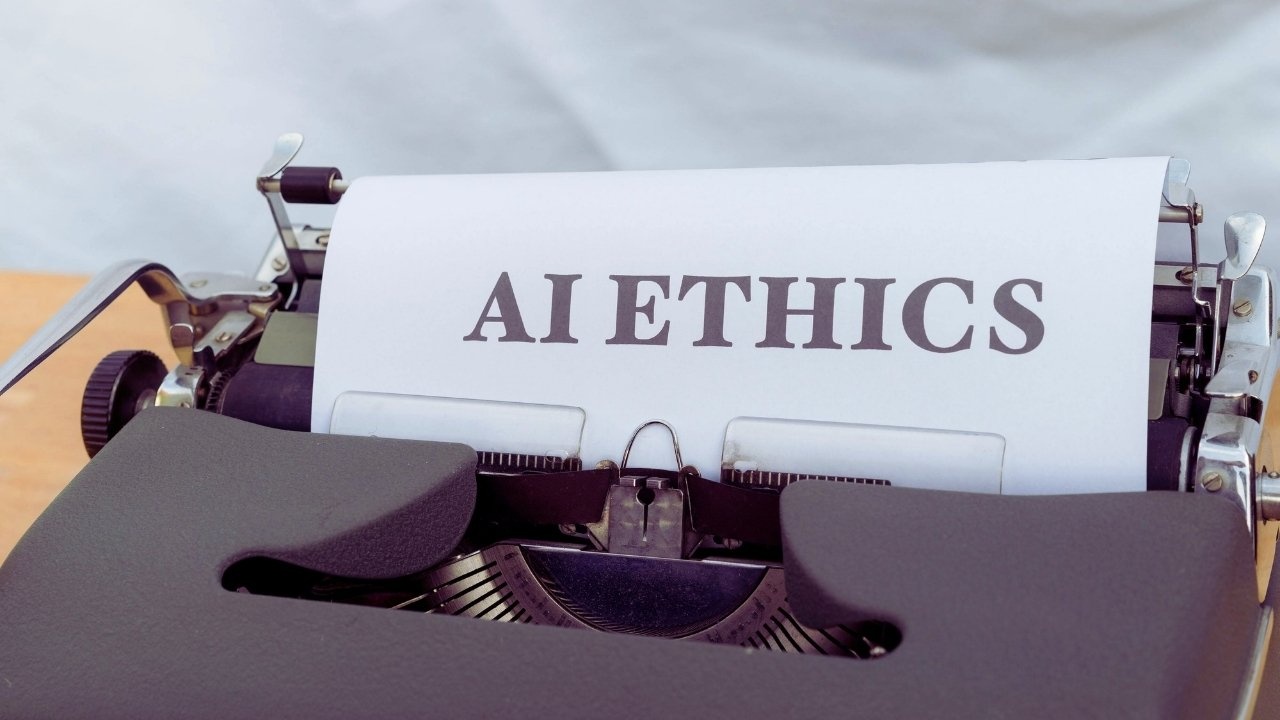
Why We Must Guide Artificial Intelligence Now
What was once speculative fiction is now woven into our routines: artificial intelligence touches how we learn, heal, govern and earn. These systems make choices that ripple through communities, economies and institutions. With such reach comes responsibility—without thoughtful oversight, AI can widen inequality, spread falsehoods or cross moral boundaries.
By 2025, societies around the globe are racing to define norms and rules for AI. Governments, companies and research centres are drafting shared practices to ensure systems are safe, explainable and accountable. Beyond limits, these efforts aim to agree on the ethical compass that will steer our relationship with intelligent machines.
An Ethical Conversation Moves into the Mainstream
Debates once confined to philosophy seminars now shape boardroom decisions and public policy. Issues like bias, fairness and responsibility have moved from theory to urgent practice as generative models, autonomous devices and advanced machine learning reshape the landscape.
Recognizing the pace of change, policymakers and industry leaders are establishing ethics panels, tougher data protections and international partnerships to promote responsible development and deployment of AI.
What Makes Rules for AI So Hard to Write?
AI is not a static gadget; it adapts and learns. Laws written today may struggle to keep up with tomorrow’s capabilities. This dynamic nature demands regulatory approaches that can flex as technology changes.
Moreover, AI systems operate across borders: a model trained in one nation can influence people around the world. Crafting effective governance means reconciling diverse legal traditions, cultural values and economic goals.
The task, therefore, is less about single laws and more about building cooperative, evolvable systems of oversight.
Tackling Bias and Seeking Fairness
At the core of AI ethics is a pressing question: can these systems treat people fairly? Because algorithms learn from human-generated data, they can inherit and magnify existing prejudices—whether based on race, gender or income.
Examples are tangible: hiring tools that screen out qualified applicants from certain groups, or predictive policing that disproportionately affects minority neighbourhoods. Addressing these issues means auditing data, diversifying teams who build systems and creating ways to trace and correct discriminatory outcomes.
Privacy in an Age of Data-Driven Machines
Data fuels AI, and personal information powers many services we rely on. That creates inevitable tension around privacy, consent and surveillance.
Regions such as the European Union have set early standards with measures like the GDPR, giving individuals stronger control over their data. In 2025, similar protections are being discussed worldwide as lawmakers try to balance innovation with safeguarding personal rights.
The central challenge is ensuring progress does not erode people’s digital freedoms.
Assigning Responsibility When Things Go Wrong
Who is accountable when an autonomous system harms someone—the developer, operator or the AI itself? This is a complex legal and moral puzzle.
Many experts insist on keeping humans in the loop so responsibility remains traceable. Yet as autonomy deepens, regulators are exploring frameworks that make AI actions auditable and its decision paths explainable.
Working Together Across Borders
AI’s effects do not stop at national lines, so international cooperation is vital. Institutions like the United Nations, OECD, UNESCO and the World Economic Forum are constructing common approaches to ethics and safety.
There is growing momentum for a "Global AI Accord"—a treaty-like instrument to align safety standards and prevent competitive pressures from creating risky technological races. Without shared commitments, fragmented rules could leave gaps in protection worldwide.
Big Tech’s Role: Partnership or Oversight?
Major technology firms shape much of AI’s direction and reach. Many have issued ethical pledges and formed internal review boards, but critics warn that voluntary measures are not a substitute for independent oversight.
Effective governance will likely mix public regulation with private innovation—public-private partnerships that provide enforceable standards while encouraging responsible invention.
When Governments Use Algorithms to Govern
Governments are also turning to AI to run services—predicting needs in urban planning, allocating resources or informing public safety strategies. This raises fresh concerns about transparency and democratic accountability.
When algorithms influence who gets social support or which areas receive policing focus, citizens must be able to understand and challenge those choices. Openness in public-sector AI is essential to preserving trust in democratic institutions.
Respecting Cultural Differences in Ethical Standards
One of the largest hurdles to global consensus is cultural diversity. Values vary: some societies prioritise individual privacy, while others stress communal welfare or security. Global governance must navigate these differences.
Successful frameworks will embrace ethical pluralism—finding common ground on universal principles like safety and human rights while allowing for local variation in emphasis and implementation.
Designing Adaptive, Inclusive Governance
The most promising governance models are adaptive. Policymakers are exploring laws that can be updated regularly alongside technological advances, combined with routine algorithmic audits.
Transparency is central: AI systems should be explainable and their data sources visible. Inclusion matters too—ethicists, social scientists, technologists and communities affected by AI must have a seat at the table.
Balancing innovation and responsibility can create systems that support both discovery and social stability.
A Future of Technology Guided by Values
Regulating AI should not mean stifling creativity; rather, it is about steering technology toward human-centered outcomes. Thoughtful governance can protect people, uphold fairness and build public confidence in new tools.
As AI becomes woven into the fabric of daily life, the rules we set now will shape not only the machines we create but the kind of society we want to be. In the end, the measure of success will be how well ethics—more than sheer capability—guide our choices.
Disclaimer
This article is intended for informational purposes only. It does not constitute legal, policy, or ethical advice. Readers should consult qualified professionals or official guidelines for specific insights into AI regulation or compliance requirements.