Why Extra Care is Crucial for Winter Travel
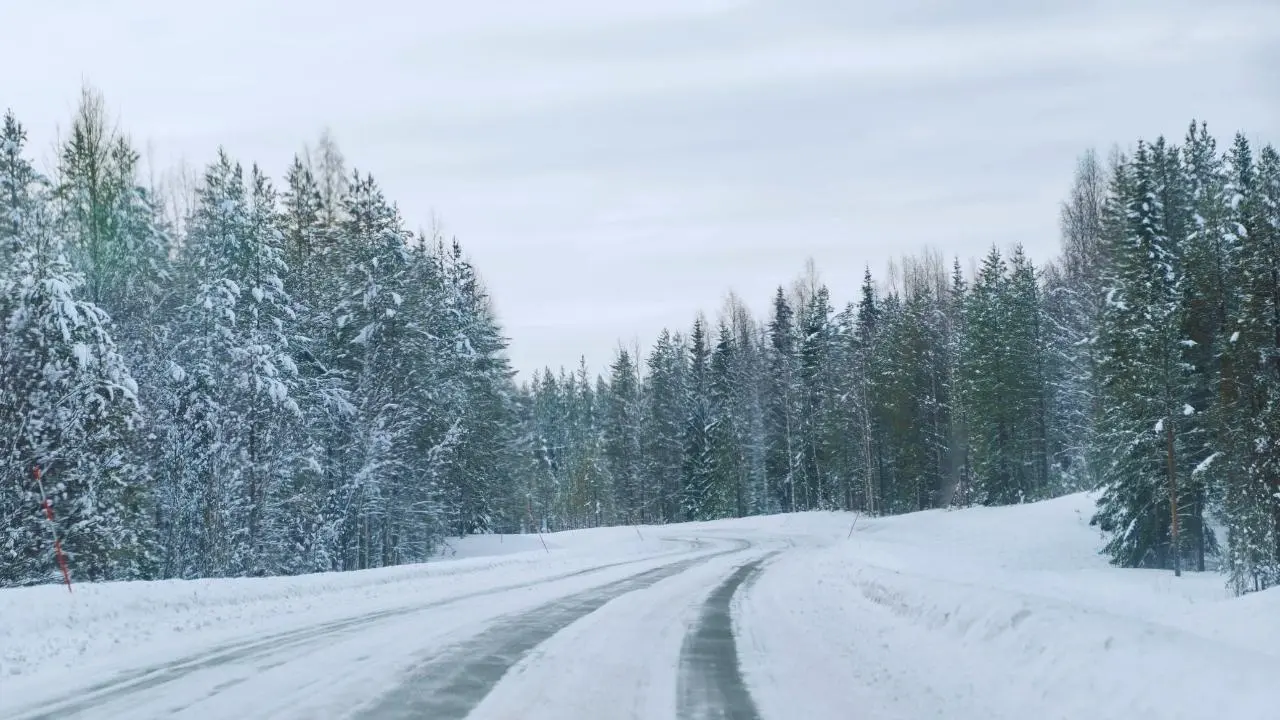
The allure of winter scenery is undeniable, but with that beauty come specific travel challenges. Snow, ice, and fluctuating temperatures can abruptly interfere with travel plans. Even seasoned adventurers should be wary of sudden weather changes, poor visibility, and slippery conditions.
Unlike milder seasons, winter necessitates careful planning. A delayed flight, a road closure, or an unexpected cold snap can quickly escalate from a minor annoyance to a significant hazard. Prudent preparations aren’t optional—they’re essential.
Watch Weather Forecasts and Travel Alerts
Keep a Close Eye on Weather Updates
Prior to your journey, be sure to consult exhaustive weather forecasts for:
Stay alert not just for snow predictions but also for wind chill, icy rain, dense fog, and sudden temperature drops that may threaten your safety.
Check Official Travel Alerts
Authorities frequently issue winter advisories that cover:
-
Road blockages
-
Flight cancellations
-
Avalanche warnings
-
Extreme cold alerts
Disregarding these notifications can jeopardize your safety, especially if traveling in rural, elevated, or isolated regions.
Packing Wisely: Essential Winter Gear
Layer Your Clothing for Warmth
In winter travel, layering is vital. Ensure you take along:
-
Thermal undergarments
-
Insulating mid-layers
-
Windproof and waterproof outer layers
-
Accessories like gloves, scarves, and knitted caps
These layers regulate body temperature and help avert hypothermia.
Think About Your Shoes
One of the most frequent winter injuries happens due to slipping on ice. Always carry:
Leave smooth-soled shoes behind, even for brief stretches.
Emergency Gear to Include
A well-rounded winter safety kit should encompass:
-
A flashlight or headlamp
-
A power bank for devices
-
A basic first-aid kit
-
Hand warmers
-
Essential medications
These items are crucial, particularly when traversing colder, remote areas.
Ensuring Safety on the Roads This Winter
Thoroughly Prepare Your Vehicle
If you’re behind the wheel, make sure to:
-
Inspect tires for tread and pressure
-
Verify brake and lighting functionality
-
Refill antifreeze and windshield wiper fluid
-
Have snow chains ready if needed
An inadequately prepared vehicle poses a significant winter travel risk.
Adapt Your Driving Method
Winter driving demands increased caution:
-
Dramatically reduce your speed
-
Maintain a safe distance behind other vehicles
-
Avoid sudden stops or rapid lane changes
-
Be especially careful on bridges and shaded roads
Black ice can be almost invisible, making vigilant driving essential.
Know When to Stay Put
If weather conditions worsen—whether it’s snow, freezing rain, or poor visibility—delaying your journey may be the safest option. No destination is worth risking your safety.
Tips for Air Travel in Winter
Prepare for Flight Delays and Cancellations
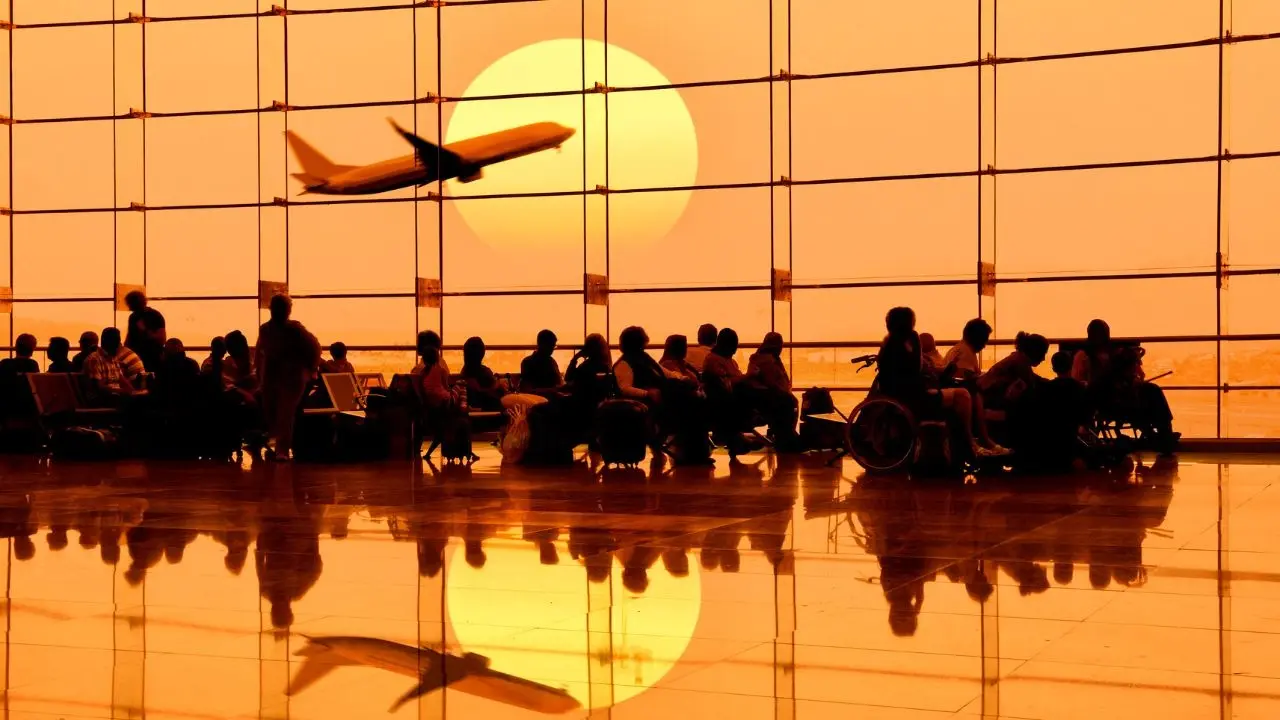
Winter is notorious for causing flight disruptions. Snowstorms, fog, and ice can ground air traffic, even when local weather seems manageable.
Be sure to:
-
Arrive at the airport ahead of schedule
-
Build in extra time between layovers
-
Regularly check your flight updates
Your Hand Baggage Should Contain Essentials
Checked luggage might not make it on time. Keep necessities close at hand:
This practice ensures you remain comfortable during unexpected delays.
Considerations for Bus and Train Travel
Anticipate Potential Delays
Snow, fog, and frozen signals can cause slowdowns in rail and bus operations. Develop flexible travel schedules and avoid tight connections.
Stay Updated Throughout Your Journey
Keep your phone charged and monitor official updates, especially since cold weather can make long stops without heating uncomfortable or unsafe.
Maintaining Health and Safety in Cold Weather
Prevent Hypothermia and Frostbite
Extended exposure to low temperatures can pose serious risks. Be vigilant for signs such as:
-
Shivering
-
Numbness
-
Pale or bluish skin
-
Confusion or exhaustion
If you notice any of these symptoms, seek warmth immediately.
Stay Hydrated and Nourished
Cold weather diminishes your desire to drink, but dehydration can still occur. Regularly hydrate and consume high-energy foods to sustain body heat.
The Necessity of Travel Insurance in Winter
Why Travel Insurance is Crucial in Cold Seasons
Winter raises the odds of experiencing:
Make sure your travel insurance encompasses winter-related risks, particularly if venturing into snowy or mountainous locales.
Winter Accommodations: Ensure Your Safety
Verify Heating and Power Backup
Before making a reservation, confirm that facilities provide:
In severe cold, inadequate heating can lead to serious health issues.
Be Aware of Local Emergency Procedures
Familiarize yourself with:
Proper preparation adds an important layer of safety.
Connectivity and Technology: Essential Tips
Keep Devices Charged
Cold temperatures drain batteries more rapidly. Carry along:
Don’t depend exclusively on internet access for your winter getaway.
Communicate Your Travel Plans
Let loved ones know about:
-
Your route
-
Where you'll be staying
-
Expected arrival times
This is vital for safety, especially if communication fails.
Winter Travel in Elevated or Snowy Areas
Be Mindful of Local Hazards
Mountain journeys bring additional risks:
-
Avalanche dangers
-
Landslides
-
Sudden road closures
Adhere to local regulations and avoid restricted zones.
Utilize Local Expertise When Necessary
Local drivers and guides possess essential knowledge of winter terrains. In snowy areas, their expertise can reduce your risks significantly.
Mentally Prepare for the Unexpected
Incorporate Buffer Time into You Plans
Rushing in winter increases risk and anxiety. Always allocate extra time for:
-
Delays
-
Adjustments in routes
-
Unexpected weather stops
Flexibility is crucial for successful winter travel.
Maintain Composure During Disruptions
Weather-related interruptions are often unavoidable. Staying calm and informed equips you to make safer choices under pressure.
Avoid Common Winter Travel Mistakes
Misjudging Weather Conditions
Many travelers wrongly think winter conditions will remain manageable. Weather can shift rapidly—never underestimate indicators.
Packing Too Much or Too Little
Finding balance is essential. Pack what you need without overloading yourself with unnecessary items that hinder mobility.
Final Thoughts: Being Prepared is Key
Traveling in winter can bring unique beauty and unforgettable moments. However, it requires a deep respect for nature and careful foresight. From keeping tabs on forecasts and packing correctly to moderating travel arrangements and prioritizing well-being, every detail counts.
The most secure winter travelers aren’t necessarily those who seek adventure but those who are well-prepared. Plan thoroughly, stay vigilant, and remember that in winter, being cautious is an intelligent choice, not an act of fear.
Disclaimer:
This article is meant for general informational use only. Weather conditions, travel regulations, and safety hazards can vary by location. Always heed official advisories and local authority directions.