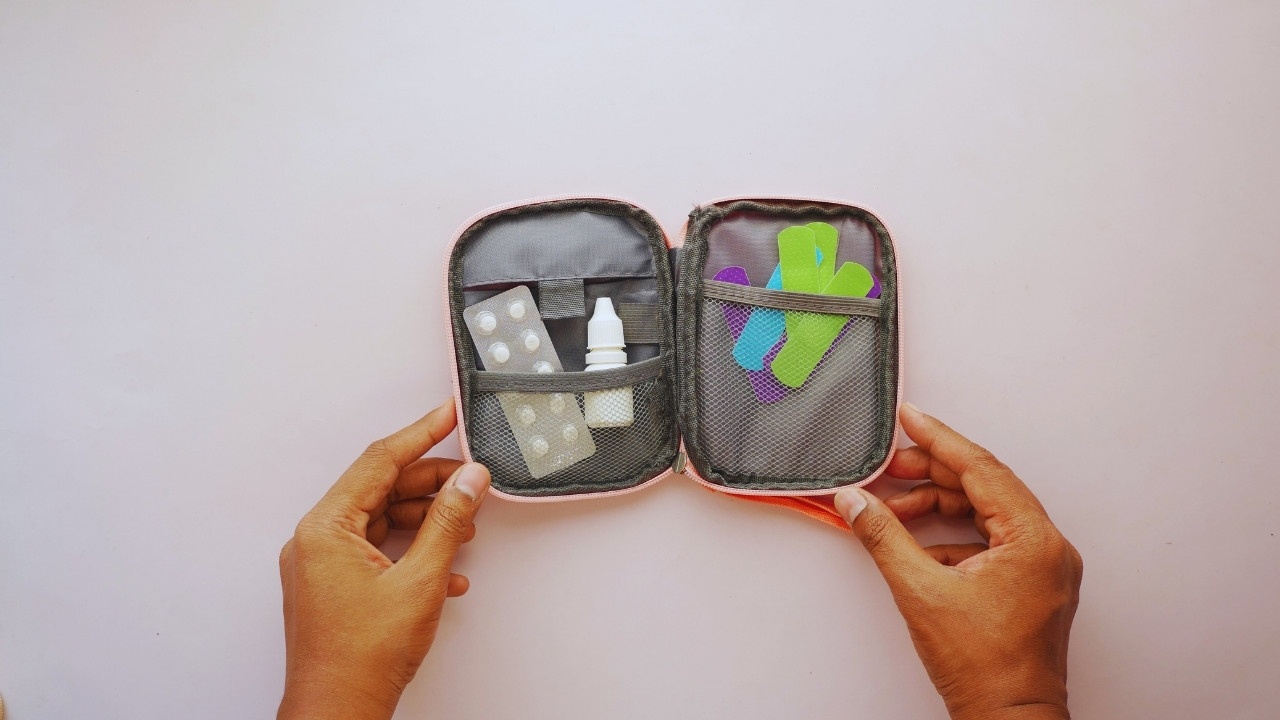
Why Extra Preparation is Essential for Winter Travel
Winter has always posed risks for respiratory illnesses, but the situation has escalated this year. Influenza, RSV, viral sore throats, and gastrointestinal infections are surging, with an earlier onset and rapid spread driven by erratic weather, busy travel hubs, and increased holiday movement.
This creates unique challenges for travelers. Whether at airports, transit areas, or hotels, exposure risks are heightened. It’s essential to equip yourself with a well-prepared health kit that can help prevent infections, manage symptoms, and ensure smoother travel.
Your winter travel health kit goes beyond a simple collection of first-aid supplies; it’s a tailored safety toolkit designed to keep you healthy and ready for the unexpected.
The Risks of Traveling in Winter
Understanding the risk landscape is vital for travelers this winter:
-
Increased respiratory infections from dry air and crowded spaces.
-
Cold temperatures weaken immune systems, heightening vulnerability.
-
Drastic temperature changes can irritate the throat and complicate breathing.
-
Fatigue and dehydration compromise natural defenses.
-
Shared spaces increase exposure to illnesses.
A well-stocked health kit acts as a protective barrier against these common yet preventable issues.
Creating Your Ideal Winter Travel Health Kit
An effective travel health kit should be compact yet thorough. Here's a comprehensive guide on what items to include, their significance, and how they assist during your travels.
Basic Medications
Pack any medications you regularly require, such as:
Always keep these essentials in your cabin luggage to avoid any disruptions that may arise from delayed checked bags, using a small organiser for easy access.
Respiratory Care Essentials
With respiratory illnesses on the rise, consider packing these crucial items:
1. Nasal Saline Spray
This keeps nasal passages moist in dry winter climates and offers comfort in dusty or cold settings.
2. Throat Lozenges
These are effective for soothing irritation from cold air or initial infection symptoms.
3. Steam or Menthol Rub
Helps alleviate nasal congestion or mild breathing issues.
4. Lightweight Face Masks
Essential for crowded areas, flights, and enclosed transport, especially for those with lower immunity.
5. Mini Humidifier (Optional)
Ideal for extremely dry destinations or during long flights.
Fever and Pain Management
Take along medications to address common winter symptoms:
Cold weather and long sitting periods often lead to muscle stiffness; these items help ensure comfort throughout your journey.
Cold and Cough Remedies
Don’t forget to include:
These essentials help manage early signs of a cold before they escalate.
Digestive Health Basics
Winter travel may lead to gastrointestinal infections from food contamination or dietary shifts.
Look for:
These items are beneficial during long travels or international trips where unfamiliar foods can upset your digestion.
Immunity Boosters
Travelers often face fatigue and irregular eating, affecting their immunity. Consider:
These can help you maintain your strength through varying travel conditions.
Wound-Care Supplies
Having a basic wound-care kit can prevent minor injuries from escalating:
Include:
-
small bandages
-
antiseptic wipes
-
cotton pads
-
mild antiseptic cream
-
gauze
-
medical tape
-
tweezers
These supplies are especially crucial for outdoor adventures or navigating new environments.
Hygiene Essentials
These items serve as your first line of defense against infections:
Frequent sanitising can significantly lower the risk of infections while traveling.
Temperature and Hydration Tools
To combat the risk of dehydration this winter, pack:
These tools will help shield you from dryness and temperature-related discomforts.
Season-Specific Essentials
Depending on your travel destination, you may require:
These items facilitate adaptation to swift temperature changes and help minimize cold-related risks.
Health-Related Travel Documents
Keep important health documents for seamless travel:
These documents can expedite care in emergencies.
Tech Tools for Health Monitoring
Compact devices can be invaluable:
-
smart thermometers
-
pulse oximeters (especially for vulnerable travelers)
-
travel-size air purifiers
-
a UV-C portable sanitation wand (optional)
These devices offer peace of mind when facing unexpected health challenges.
Snacks and Comfort Items
Healthy snacks help sustain energy levels:
-
protein bars
-
dried fruits
-
herbal tea bags
-
ginger candy
-
sugar-free mints
Winter travel often brings irregular meals and long waits, making these items crucial for maintaining energy.
What to Avoid in Your Winter Health Kit
Overpacking is a common mistake; avoid including:
A well-constructed kit should remain practical, lightweight, and easily accessible.
Why Your Winter Health Kit is Crucial Post-Outbreaks
A rise in respiratory and gastrointestinal infections this winter has transformed travel habits. An all-encompassing health kit enables travelers to:
-
prevent infections
-
quickly address symptoms
-
avoid impulse purchases in unfamiliar areas
-
minimize travel interruptions
-
sustain immunity in harsh conditions
As viral activity continues to fluctuate, preparation is more vital than ever.
Customizing Kits for Various Travel Styles
Adapt your health kit based on your travel preferences:
For Business Travelers:
Focus on sanitizing supplies, immunity support, and fatigue management.
Families:
Include child-friendly medications and extra hygiene products.
For Backpackers:
Opt for lightweight wound care and essential hydration tools.
Long-Haul Travelers:
Pack compression socks, moisturizers, and cough relief items.
Adventure Seekers:
Expand your wound-care kit and add blister patches and insect repellent.
Storing and Maintaining Your Health Kit
Your winter health kit should be:
A well-organized kit ensures quick action in emergency situations.
In Conclusion
Navigating winter travel presents unique health hazards, from respiratory episodes to sudden weather changes. A meticulously prepared health kit is a traveler’s best ally, guaranteeing comfort, confidence, and safety in unfamiliar locations and crowded venues. Sticking to these essentials while remaining mindful of shifting risks enables travelers to fully enjoy their journeys, maintaining protection throughout the season.
Ultimately, a winter health kit is not merely a precaution; it has become a travel essential.
Disclaimer:
This article offers general guidance for winter travel preparation. Individuals with chronic conditions or specific medical needs should consult their healthcare providers for tailored advice.