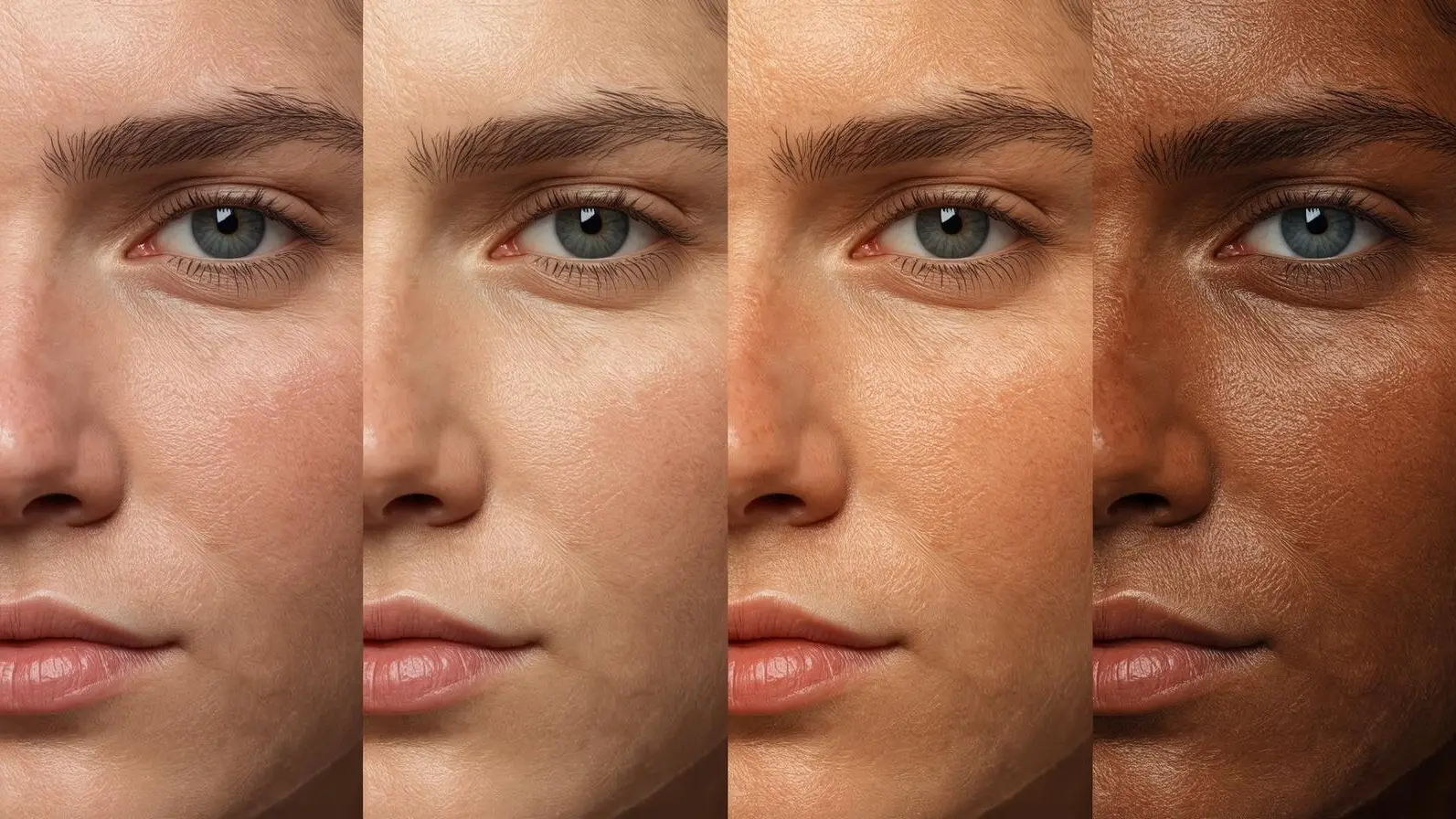
Essential Skincare Routine for Indian Skin: Your Complete Guide
Indian skin is rich in diversity and resilience, yet it faces distinct challenges due to environmental factors, pollution, genetics, and lifestyle. From the harsh sun and high humidity to dust and hormonal changes, a balanced and practical skincare routine is essential, rather than adhering to complex 10-step routines from other cultures.
This guide outlines the ideal skincare regimen for Indian skin, highlighting various skin types, frequent pitfalls, ingredient recommendations, seasonal care, and daily practices. The emphasis is on achieving long-lasting skin health, protection, and a natural glow rather than quick fixes.
Recognizing the Unique Characteristics of Indian Skin
Indian skin typically falls within the Fitzpatrick skin types III to V, indicating a higher melanin content. While this provides some measure of natural sun protection, it also presents specific challenges.
Key Traits of Indian Skin
-
More susceptible to pigmentation and tanning
-
At risk for acne and clogged pores due to humidity
-
React quickly to harsh products
-
Commonly exhibits combination skin
-
Age signs may be delayed but deeper pigmentation can arise
For this reason, Indian skin necessitates gentle care, robust sun protection, and barrier support.
Step 1: Proper Cleansing (Morning and Evening)
Cleansing is the cornerstone of any skincare routine.
The Importance of Cleansing for Indian Skin
Accumulation of dust, sweat, sunscreen, pollutants, and oil can occur swiftly. Inadequate cleansing may result in acne, dullness, and uneven skin tone.
Choosing the Right Cleanser
-
For oily or acne-prone skin: Opt for a gel or foaming cleanser with salicylic acid or gentle surfactants
-
For dry or sensitive skin: Select a cream or hydrating cleanser infused with ceramides or glycerin
-
For combination skin: Utilize a gentle gel cleanser devoid of strong stripping agents
Avoid soaps or harsh cleansers that induce a tight sensation.
Frequency Guidelines
Step 2: Toning for Balance
Toners can be commonly misunderstood.
Benefits of a Quality Toner
Ingredients to Avoid
-
Toners with high alcohol content
-
Avoid products that cause tingling or burning sensations
Seek toners containing rose water, niacinamide, green tea, or hyaluronic acid.
Step 3: Choosing Effective Serums for Indian Skin
Serums should be chosen based on specific skin concerns.
Recommended Serum Ingredients
-
Niacinamide: Controls oil, diminishes pigmentation, strengthens the skin barrier
-
Vitamin C: Evens skin tone, reduces tanning, enhances collagen production
-
Hyaluronic acid: Provides hydration without heaviness
-
Alpha arbutin: Aids in reducing pigmentation and dark spots
Avoid excessive use of multiple active ingredients.
Application Method
Use 1–2 drops on damp skin and gently press into the face.
Step 4: Tailoring Moisturizers to Climate and Skin Type
A good moisturizer is crucial — even for those with oily skin.
Why Moisturizers Are Vital for Indian Skin
Neglecting moisturizer can boost oil production and weaken the skin barrier.
Choosing the Right Moisturizer
-
Oily skin: Opt for gel or water-based moisturizers
-
Dry skin: Look for cream-based formulas rich in ceramides and oils
-
Combination skin: Select a lightweight lotion
-
Sensitive skin: Choose fragrance-free products with minimal ingredients
A good moisturizer maintains calm, balanced, and resilient skin.
Step 5: Sunscreen Is Crucial for Indian Skin
Sunscreen represents the most vital step in any skincare regime, especially for those in India.
Why Sunscreen Is Essential for Indian Skin
-
Prevents tanning and pigmentation
-
Helps reduce darkening of acne marks
-
Reduces signs of premature aging
-
Protects the skin barrier
What to Look For
Night Routine: Repair and Restore
Nights allow the skin to rejuvenate.
Thorough Cleansing
Ensure to remove sunscreen, dirt, and environmental toxins.
Treatment Products (Optional)
Effective Moisturization
Nighttime moisturizers should focus on restoring hydration and strengthening the barrier.
Weekly Maintenance: Exfoliation and Masks
Exfoliation
Indian skin thrives with gentle exfoliation.
Facial Masks
-
Clay masks for oily skin types
-
Hydrating masks for dry skin types
Use masks as an enhancement, not a solution.
Common Skincare Mistakes in India
-
Applying too many active ingredients simultaneously
-
Neglecting sunscreen when indoors
-
Frequently changing products
-
Overly aggressive acne treatment
-
Ignoring the health of the skin barrier
Consistency is vital over experimentation.
The Influence of Diet and Lifestyle on Skin Health
Relying solely on skincare products is not sufficient.
Foods for Healthy Skin
Habits That Can Harm the Skin
-
Lack of restorative sleep
-
Excessive sugar consumption
-
Chronic stress levels
-
Prolonged screen exposure
Striving for healthy skin reflects an internal equilibrium.
Adapting Skincare for Different Seasons
Summer
-
Utilize lighter formulations
-
Prioritize substantial sun protection
-
Regular cleansing is a must
Winter
Monsoon
Tailoring Skincare for Various Age Groups
Your 20s
Emphasize cleansing, moisturizing, sun protection, and preventive care.
Your 30s
Incorporate antioxidants and focus on rebuilding the skin barrier.
In Your 40s and Beyond
Concentrate on hydration, gentle treatment options, and boosting skin resilience.
When to Consult a Dermatologist
-
Persistent acne situations
-
Severe issues with pigmentation
-
Sudden changes in skin or hair
-
Adverse skin reactions
Professional advice plays a crucial role in preventive measures.
Concluding Insights on Skincare for Indian Skin
Adopting the best skincare routine for Indian skin entails a straightforward, consistent approach that respects skin biology. Expensive products and viral trends are unnecessary. The right choice of ingredients, applying in the right order, ensuring sun protection, and cultivating patience is the key.
Healthy skin is nurtured daily, not overnight.
Disclaimer
This article serves as general information and does not substitute for professional dermatological guidance. Skincare requirements vary widely based on individual skin types, medical backgrounds, and environmental factors. Always carry out a patch test before introducing new products and consult a qualified dermatologist for ongoing skin issues or conditions.