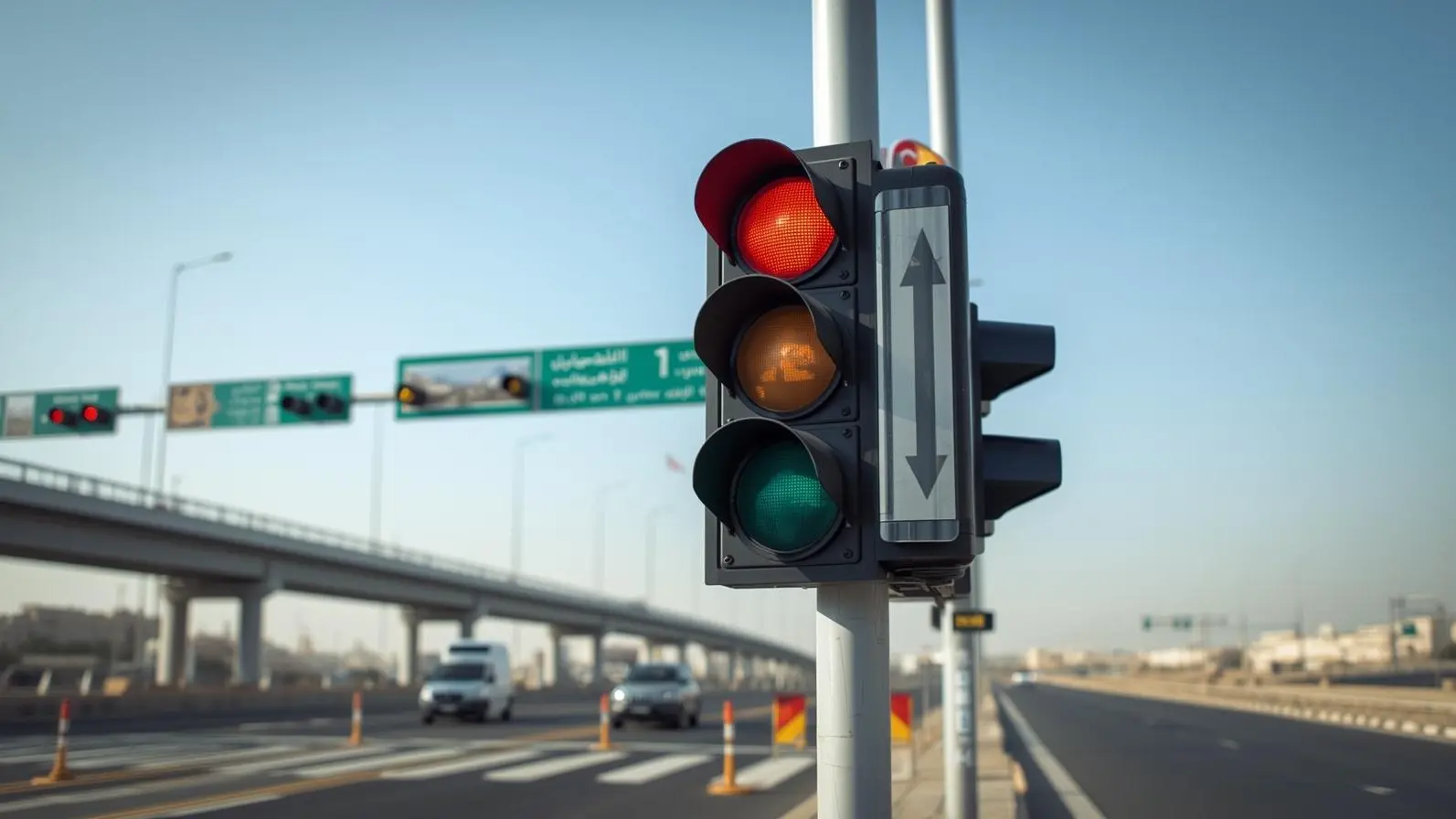
Essential Traffic Regulations for New Residents in the UAE
Relocating to the UAE is a thrilling journey, but grasping the local driving regulations is crucial. The UAE enforces strict traffic laws, advanced surveillance systems, and significant penalties for infringements. For newcomers, a solid understanding of these laws can prevent financial liabilities, protect your driving privileges, and enhance road safety. This guide articulates UAE traffic laws in a clear, practical manner, empowering you to drive both confidently and legally.
Significance of Complying with Traffic Laws in the UAE
The UAE features one of the most regulated road systems in the region, blending locals, expats, tourists, luxury vehicles, and high-speed highways, with laws aimed at sustaining order and minimizing accidents.
Authorities utilize AI-enhanced cameras, smart radars, and automated fines, leaving little room for unnoticed infractions. Ignorance of these laws is not considered a valid excuse.
Requirements for New Residents to Obtain a Driving License
Newcomers must either convert or apply for a UAE driving license, depending on their nationality.
Eligibility for License Conversion
Residents from certain countries can convert their foreign license without taking a driving test.
Driving Test Necessity
Others may need to enroll in an accredited driving school and clear theory and practical driving tests.
Driving without a valid UAE license can incur severe fines, black points, and potential vehicle seizure.
Understanding Speed Limits and Radar Regulations
Speed limits fluctuate based on road type and emirate.
-
Highways allow speeds of 100–140 km/h
-
Urban roads typically range from 40–80 km/h
Some emirates provide a speed tolerance, while others are strict about adhering to the posted limits.
Important Note
Radars are prevalent, including mobile versions. Speeding fines can escalate rapidly with increased violations and may include black points or suspension of driving privileges.
Lane Discipline and Rules for Overtaking
Lane discipline is rigorously enforced.
-
The left lane is strictly for overtaking only
-
The middle lanes are designated for consistent driving
-
The right lane is intended for slower-moving traffic
Overtaking from the right, weaving through lanes, or making sudden lane changes without signaling may lead to fines.
Always utilize turn signals, even on open roads.
Laws for Seat Belts and Child Safety
Wearing seat belts is obligatory for all passengers, even those in the back seat.
Child Seat Guidelines
Mobile Phone Regulations While Driving
Using a mobile phone while driving is among the most heavily penalized offenses.
-
Talking, texting, scrolling, or holding a phone is prohibited
-
Stopping at traffic lights does not permit phone usage
While hands-free systems are allowed, distractions are still monitored.
Traffic Signals and Signage
Running a red light is viewed as a serious infringement.
-
Hefty fines
-
Possibility of vehicle impoundment
-
Black points awarded
-
Risk of license suspension
Amber lights indicate you must decelerate and prepare to stop, not accelerate.
Road signs are generally in line with international standards, but Arabic signage takes precedence.
Rights of Way and Roundabout Rules
Knowing rights of way can prevent many collisions.
-
Vehicles within the roundabout have precedence
-
Emergency vehicles are always prioritized
-
Pedestrians at marked crossings must be yielded to
Failure to yield can lead to fines and liabilities in case of accidents.
Driver Awareness for Pedestrian Safety
Drivers must halt at zebra crossings.
Pedestrians crossing outside designated areas are also at risk of fines, but drivers should always be cautious.
Parking Regulations and Breaches
Illegal parking is closely monitored.
Understanding the Black Points System
The UAE implements a black points system to track serious traffic offenses.
-
Each infringement incurs black points
-
Reaching a certain threshold results in license suspension
-
Severe breaches may lead to immediate suspension of driving privileges
Points remain valid for a specific duration before expiring.
Zero-Tolerance for Drink and Drive
The UAE maintains a zero-tolerance policy against drinking and driving.
-
Any traceable level of alcohol in the blood is illegal
-
Consequences include hefty fines, imprisonment, and driving ban
Driving impaired by drugs also incurs similar penalties.
What to Do in Case of an Accident in the UAE
If an accident happens:
-
Stop immediately
-
Relocate vehicles only if it’s safe to do so
-
Notify police or use the official accident reporting applications
Leaving the scene without reporting is a serious violation.
Minor accidents can often be resolved digitally, but injuries must be reported.
Mandatory Insurance and Vehicle Guidelines
Driving without valid insurance is illegal.
-
At a minimum, third-party insurance is required
-
Comprehensive insurance is advisable
Vehicles are required to pass annual inspections to remain road-legal.
Driving Etiquette and Common Errors by New Residents
Many new residents face challenges such as:
-
Tailgating at excessive speeds
-
hesitating at intersections
-
Sudden braking
Exercising calm, predictable driving behavior mitigates risks and penalties.
Variances Among Emirates
Though federal laws apply throughout the nation, enforcement styles may differ.
-
Dubai employs extensive smart surveillance
-
Abu Dhabi mandates stricter adherence to speed limits
-
Sharjah has reduced speed limits in residential areas
Always remain vigilant to local signage.
Salik, Darb, and Tolls
Some roads operate under electronic toll systems.
Tips to Avoid Fines as a New Resident
-
Utilize navigation apps that offer speed alerts
-
Keep all driving documents current
-
Avoid aggressive driving
-
Practice courtesy on the road
-
Regularly revisit traffic rules
Being proactive can avoid costly fines.
Reasons Behind the Strictness of UAE Traffic Laws
Strict enforcement has drastically lowered accidents and fatalities. The system focuses on accountability, safety, and efficiency, rather than leniency.
Long-term Advantages of Following UAE Traffic Regulations
Those who comply with the rules gain:
Final Thoughts for New Residents in the UAE
Driving in the UAE becomes manageable once the regulations are fully understood. Observe speed limits, practice lane discipline, and view traffic laws as absolute. A cautious driver is one who consistently prevails.
Disclaimer
This article serves general informational purposes only. Traffic regulations, fines, and guidelines are subject to change or may vary by emirate. Readers should consult official UAE government or police resources for the latest traffic laws before driving. The author assumes no responsibility for decisions made based on this material.