Examining Emotion AI — The Intersection of Technology and Humanity
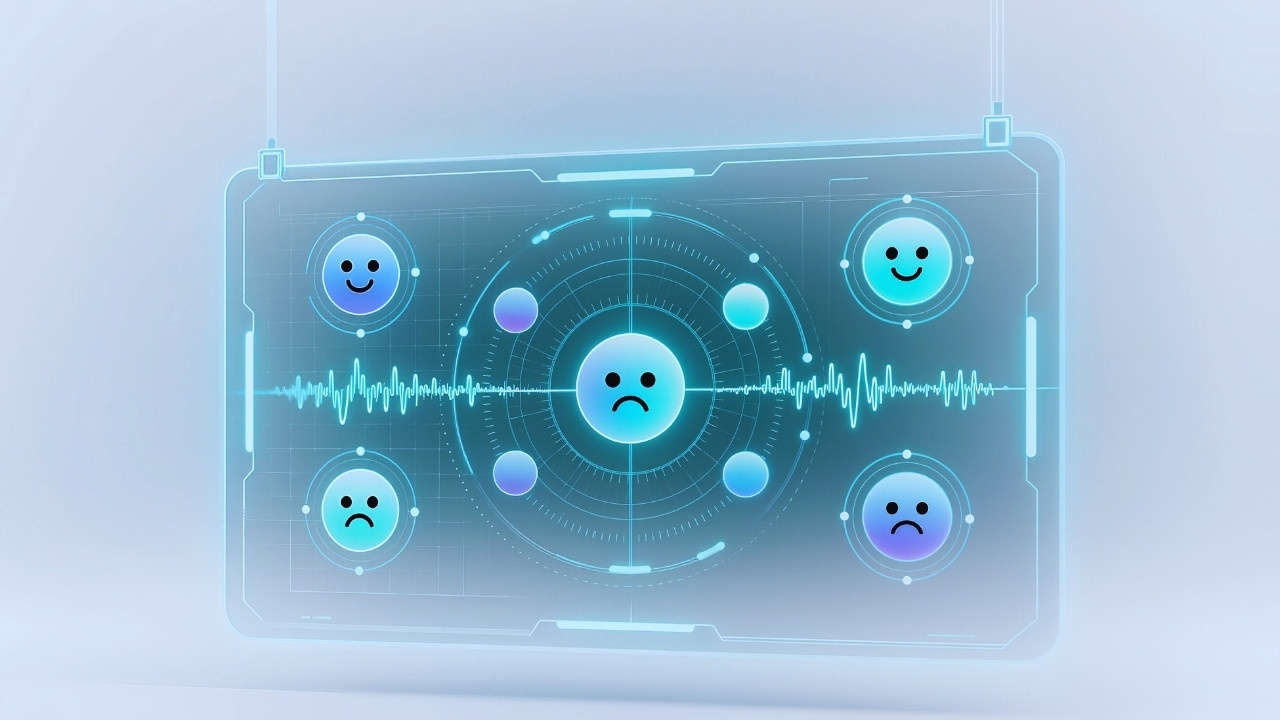
Emotion AI, often referred to as affective computing, is a groundbreaking technology enabling machines to recognize, analyze, and react to human emotions. This innovative field utilizes data from facial expressions, vocal intonations, gestures, and physiological indicators like heart rate to decipher feelings. By employing machine learning algorithms trained on extensive databases of emotional expressions, these systems strive to interpret emotions as they happen.
Algorithms are adept at recognizing micro-expressions—the brief, involuntary facial changes that last less than a heartbeat—to glean whether an individual feels happy, anxious, or wary. Voice analysis technology detects subtle shifts in pitch and cadence, offering insights into excitement or frustration. Together, these elements enable emotion recognition systems to infer emotional states, even when not directly expressed.
The blend of psychological insight and technological prowess heralds an era where machines can engage with humans more intuitively, diminishing the emotional divide that has traditionally characterized human-technology relationships.
Current Applications of Emotion AI
Far beyond the confines of research environments, Emotion AI is woven into various sectors today. In marketing, firms harness the technology to assess consumer reactions to ad campaigns, allowing for adjustments driven by emotional engagement rather than merely intuition. Customer service automation systems deploy sentiment analysis, adjusting their tone based on customer satisfaction or annoyance.
In the educational sector, emotion AI resources track students' engagement levels during online lessons, assisting educators in pinpointing moments of distraction. In healthcare, emotion detection technology supports the diagnosis of mental health conditions by tracking subtle changes in behavior. Even vehicles feature sensors and cameras designed to monitor a driver’s expressions and emotional states for signs of fatigue or distraction to enhance safety.
These practical uses reflect the increasing conviction that technology can bolster human understanding. However, the deeper its integration into daily life, the higher the potential for ethical dilemmas and misuse.
The Benefits — Enhancing Human-like Interaction
A major draw of Emotion AI is its capability to facilitate more empathetic interactions. Historically, a common critique of AI has been its failure to grasp emotional nuances and context. While a chatbot might accurately answer a query, it may fail to identify sarcasm or perturbed tones. Emotion AI aims to change this dynamic.
By interpreting vocal tone, facial expressions, and non-verbal cues, AI can offer more contextually appropriate responses. Envision a virtual assistant that adjusts its tone if it detects stress in your voice, or a health-monitoring device that engages when it discerns signs of emotional fatigue. Such interactions transform our engagements with machines, making them more organic and responsive.
In professional environments, emotion recognition can unveil team morale and detect signs of burnout before they affect performance. For mental health practitioners, AI tools could yield crucial early signals about a patient’s emotional state, promoting timely interventions. These advantages illustrate AI’s potential not as a substitute for human empathy, but as a means to enhance it.
The Privacy Challenge — Reading Without Consent
Yet, the emergence of emotion AI prompts pressing ethical concerns: should machines decipher emotions not explicitly disclosed by individuals? The ability to gauge feelings via emotional data without consent poses challenges to established concepts of privacy and personal agency.
Emotional data is uniquely intimate; it doesn't solely depict actions but delves into feelings. The deployment of emotion recognition technology in public contexts may pave the way for invasive surveillance, encroaching upon psychological territories.
Critics caution against the potential ethical breaches of emotion AI. Retailers could monitor shoppers’ emotions to determine product appeal. Employers might assess emotional engagement in meetings. Law enforcement could evaluate “suspicious behavior,” raising risks of discrimination and incorrect assumptions. The risks lie not merely in the technology's capabilities but also in its application and control.
Bias and Reliability — The Unseen Challenges
The efficacy of emotion recognition systems rests heavily on their training datasets, yet human emotions are notably subjective and diverse. Contextual subtleties, cultural distinctions, and individual variances mean a smile may convey different meanings across societies. Training AI on predominantly uniform data risks misclassifying emotional expressions from other demographics.
An algorithm might misinterpret a neutral expression as anger or sadness simply due to divergence from its training norms. In contexts like hiring or security, these inaccuracies can lead to detrimental consequences. Furthermore, there's a risk of oversimplifying nuanced emotions into binary categories like “happy” or “sad.” Emotions are complex and layered, something AI continues to grapple with.
Developers must not only enhance emotion AI for precision but also ensure it encompasses the vast spectrum of human experiences while reducing biases.
Legislation and Ethical Oversight
As developments in emotion AI accelerate, regulators worldwide have begun responding. Certain nations are considering frameworks that categorize emotional data as sensitive, akin to biometric profiles. Such guidelines prioritize transparency, user consent, and ability limitations, ensuring that individuals are aware when their feelings are monitored.
Tech firms face mounting pressure to embrace responsible AI practices, emphasizing the creation of systems that can be audited, understood, and uphold human rights. Establishing ethics boards, independent evaluations, and clear opt-in procedures are increasingly vital for credible emotion AI development.
The future trajectory of this technology hinges on maintaining balance: fostering innovation while safeguarding against emotional exploitation.
Emotion AI in Corporate Settings — A Double-Edged Sword
The uptake of emotion recognition tools in corporate environments is on the rise, with organizations leveraging them for everything from recruitment to employee health initiatives. At first glance, they appear to offer significant advantages—tools that detect signs of stress may help prevent burnout, while emotional assessment during interviews might reveal empathy or enthusiasm.
However, these systems can also instigate anxiety and distrust. Employees may feel perpetually monitored or evaluated based on emotional responses influenced by non-work-related factors. Without proper oversight and ethical standards, emotion AI within workplaces could blur boundaries between supportive wellness measures and intrusive emotional surveillance.
Transparency is crucial: employees ought to be informed of what data is being gathered, how it is analyzed, and its implications for evaluations and career opportunities.
The Human Element — Why Emotion Remains Uniquely Ours
No matter the advancements, emotion AI cannot genuinely “feel.” It identifies patterns but cannot experience emotions. While it might detect excitement, it lacks the capability to share that sentiment. The essence of human emotion—its individuality, connection to experience, and memory—remains outside the grasp of machines.
This distinction is essential. While AI can assist mental health initiatives, bolster safety measures, and enrich consumer interactions, it must never supplant authentic human empathy. The aim should be to complement, not to compete with, our understanding of emotions. Recognizing this boundary is vital for ensuring that emotion AI evolves as a careful collaborator rather than a deceitful overseer.
Conclusion — Harmonizing Empathy with Ethical Considerations
Emotion AI exists at a pivotal intersection of advancement and ethical reflection. On one end, it holds remarkable potential for developing responsive technology that better comprehends users. On the flip side, it brings forth crucial challenges regarding privacy and equity.
When governed with foresight, emotion AI can serve as a conduit for deeper connections, enhancing communication and promoting well-being. Conversely, if unchecked, it risks transforming into a mechanism for emotional manipulation. The imperative for lawmakers, companies, and society is clear: to cultivate systems that can interpret emotions without infringing upon personal agency.
The promise of Emotion AI is not solely in its capacity to detect feelings but in its respect for their significance.
Disclaimer
This article is for informational and educational purposes only. It outlines trends in emotion recognition technology and associated ethical considerations. The content should not be construed as professional advice. Readers are encouraged to consult experts before implementing any insights discussed herein.