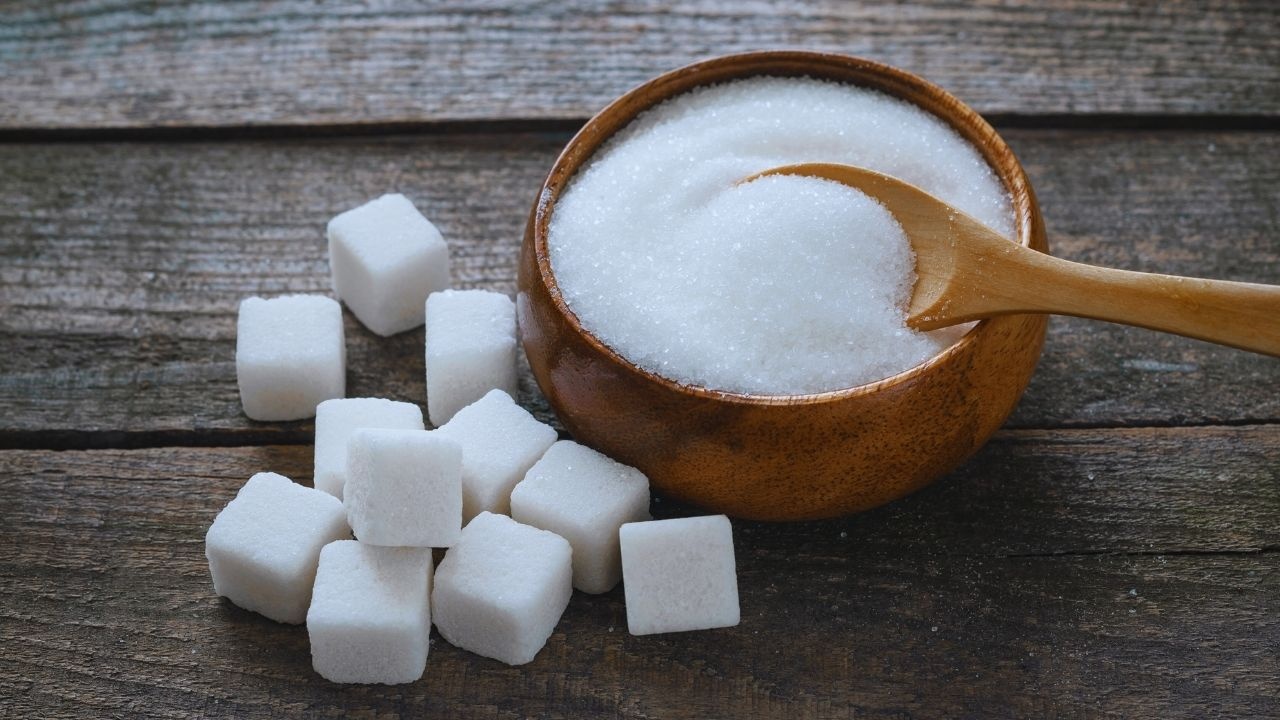
Why It's Crucial to Reduce Salt and Sugar Today
Today's diets are packed with salt and sugar, found not just in obvious items like snacks and desserts, but also in everyday staples like bread, sauces, breakfast cereals, and packaged meals. This hidden excess can negatively impact energy levels, digestion, hydration, and overall health over time.
Many individuals hesitate to cut back on salt and sugar due to the fear of sacrificing flavor. However, the truth is: delicious, satisfying meals can be created with significantly less salt and sugar… if you know the strategies. Flavor isn't solely reliant on these two components; it's all about the smart use of spices, aroma, and textures.
This article covers simple yet effective adjustments you can implement to cultivate a healthier, tastier kitchen without feeling deprived.
The Taste Adaptation: Why Initial Reduction Can Be Challenging
Our taste buds evolve based on what we typically consume. If you're accustomed to overly salty or sweet foods, your palate expects those flavors, making any reduction seem bland at first. But this phase is temporary; within a few weeks, your taste buds will adapt, and lighter seasoning will begin to feel natural.
This adaptation is vital for dietary changes. Once you get past that initial phase, you may discover that many other flavors become more pronounced when you let them shine without masking them with excessive salt or sugar.
Gradual Salt Reduction: A Steady Approach
Rather than making sudden cuts, reduce your salt intake gradually. Your palate won’t notice small decreases as they happen.
Steps to Consider:
• Decrease salt by 10% each week
• Add less salt while cooking and make final seasoning optional
• Use a pinch instead of a spoonful at the start
• Taste before adding any more salt
In just a month, you’ll find yourself using considerably less salt while still relishing your meals.
Enhancing Savory Flavors Without Salt
While salt is a common flavor enhancer, there are other methods to boost taste through aroma, acidity, spices, and textures.
Utilize Acidity for Flavor Brightness
Adding acidic elements can give your dishes a flavor kick and lessen the reliance on salt.
Consider including:
• Lemon juice
• Vinegar
• Tamarind
• Tomatoes
• Yogurt
These ingredients add brightness and depth, making your dishes vibrant even with reduced salt.
Creatively Use Spices and Herbs
Incorporating spices introduces complexity and aroma, allowing you to depend less on salt.
Effective choices can include:
• Cumin
• Coriander
• Turmeric
• Black pepper
• Garlic
• Ginger
• Curry leaves
• Cilantro
Fresh herbs can dramatically elevate the flavors of your dishes.
Flavorful Aromatics for Depth
Aromatics contribute to a fragrant and rich experience in your meals.
Examples include:
• Onions
• Garlic
• Ginger
• Green chilies
• Spring onions
• Leeks
These allow you to lessen salt intake without sacrificing flavor.
Texture as a Satisfaction Booster
Varying textures—whether crunchy, creamy, or soft—can make meals enjoyable even with lower salt levels.
Consider:
• Toasted nuts
• Seeds
• Sautéed veggies
• Crumbled paneer
• Mixed beans
Diverse textures can reduce the need for salt to achieve satisfaction.
Recognizing Hidden Salt Sources
Many everyday foods harbor more salt than you'd expect. By cutting these back, you automatically lower your sodium intake.
High-salt offenders include:
• Packaged soups
• Pickles
• Cheese slices
• Breads
• Savory biscuits
• Instant noodles
• Prepared sauces
• Salted snacks
Opt for low-sodium alternatives or reduce their consumption to manage hidden sources effectively.
Smart Techniques to Lower Sugar While Maintaining Sweetness
Similar to salt, sugar can be gradually reduced while utilizing natural alternatives and flavor enhancers to ensure desserts remain gratifying.
Initiate with a 10–15% Sugar Decrease
Most recipes can maintain their taste with a slight sugar reduction. Keep decreasing gradually over the weeks.
Natural Sweeteners from Fruits
Fruits provide sweetness along with added fiber and nutrients.
Top choices include:
• Bananas
• Apples
• Dates
• Mangoes
• Berries
• Grapes
• Figs
These can be blended into smoothies, mixed with oats, or used in baking.
Enhance Sweetness with Warm Spices
Spices can create a sweet perception in the palate.
Consider adding:
• Cinnamon
• Cardamom
• Nutmeg
• Cloves
• Star anise
• Vanilla
These elements add an aroma that makes the taste buds register sweetness even with less sugar.
Citrus for Sweetness Balance
A squeeze of lemon or orange zest can brighten desserts, allowing for less sugar without sacrificing depth.
Textured Nuts and Seeds for Sweet Treats
In desserts, texture can significantly enhance satisfaction, compensating for reduced sugar.
Good options:
• Almonds
• Walnuts
• Flaxseed
• Pumpkin seeds
• Coconut flakes
These contribute to making lighter desserts more enjoyable.
Avoiding Hidden Sugars in Your Diet
Many foods contain hidden sugars where you might not expect them.
Common high-sugar foods include:
• Breakfast cereals
• Flavored yogurt
• Packaged juices
• Sweetened coffee premixes
• Ketchup
• Granola bars
• Flavored breads
• Bakery items
• Energy drinks
• Sweet sauces
Reading labels can help reduce sugar consumption with minimal impact on taste.
Layering Flavors: A Chef’s Secret
One of the most effective ways to cut down on salt and sugar is by developing layers of flavor, ensuring the palate feels satisfied rather than missing anything.
How To Layer Flavors:
• Begin with aromatics (onion, garlic, green chili)
• Introduce spices and herbs
• Add acidity for brightness
• Bring in texture enhancers
• Conclude with fresh herbs or a splash of citrus
Flavor layering achieves richness without heavily relying on salt or sugar.
Cooking Techniques to Elevate Flavor Without Seasoning
The cooking methods you choose can make a significant difference in flavor enhancement, often surpassing what seasoning can do.
Roasting
Natural sweetness is intensified through caramelizing vegetables.
Sautéing
Enhances flavors of onions, garlic, and spices.
Slow Cooking
Deepens flavors in soups, dals, and curries.
Grilling
Generates smokiness, resulting in less need for salt.
Steaming
Maintains the integrity of original flavors.
Toasting Spices
Increases their aroma, which minimizes the need for added seasoning.
Employing these techniques enables you to rely less on salt and sugar by harnessing natural flavors more effectively.
Managing Portion Sizes for Healthier Choices
Reducing portion sizes can effectively lower salt and sugar intake while still enjoying your favorite foods.
For example:
• Limit portion sizes for packaged snacks
• Choose smaller desserts
• Diminish gravy instead of completely removing it
• Increase vegetable portions with salt-heavy dishes
This methodology enhances well-being without requiring the avoidance of your favorite foods.
Balancing Your Meals with High-Fiber Ingredients
Fiber plays a role in regulating salt and sugar absorption, and high-fiber meals can feel fulfilling with less seasoning needed.
Incorporate:
• Whole grains
• Lentils
• Vegetables
• Nuts
• Seeds
• Sprouts
• Fruits
Fiber not only benefits digestion but also helps curb cravings for salty or sweet snacks later on.
Choosing Flavorful Alternatives to Sugary Drinks
Sugary beverages can add a significant amount of sugar to your diet. Instead of cutting out sweet drinks entirely, replace them judiciously.
Try These Options:
• Fruit-infused waters
• Coconut water
• Unsweetened lime water
• Smoothies using whole fruits
• Herbal teas
• Spiced teas such as ginger or cinnamon tea
These alternatives can help satisfy your cravings while significantly lowering sugar intake.
Transforming Taste Buds Over Time
As you consistently reduce salt and sugar, you'll likely notice some changes:
• Fruits taste sweeter
• Vegetables taste richer
• Processed snacks seem overly salty
• You start favoring lighter dishes
• You can pinpoint natural flavors more easily
This transformation is key to long-term dietary success, making it easier to select healthier options without effort.
Assisting Children in Lowering Salt and Sugar with Ease
Kids can adapt well if you make gradual changes that don't compromise flavor.
Helpful Tips:
• Slowly decrease salt in their meals
• Include spices or herbs they like
• Present fresh fruits as primary snacks
• Store sugary snacks out of sight
• Offer flavored milk with cocoa or dates instead of sugar
• Create fruit-centered desserts, like banana ice cream
Children will embrace healthier eating when the food is tasty and feels familiar.
Wrapping Up
Reducing salt and sugar doesn't equate to sacrificing flavor. Through smart substitutions, flavor layering, careful cooking methods, and gradual adjustments, you can maintain delicious meals while enhancing their health benefits. These changes require no drastic lifestyle alterations—just simple, everyday choices that will lead to significant improvements in energy, digestion, and overall health.
By prioritizing natural ingredients and limiting hidden sugars and salts, you'll evolve your palate, shift your cravings, and feel lighter overall. The secret lies in consistency—not perfection. Small changes today can yield substantial differences tomorrow.
Disclaimer:
This article offers general nutritional information and should not substitute tailored medical or dietary guidance.