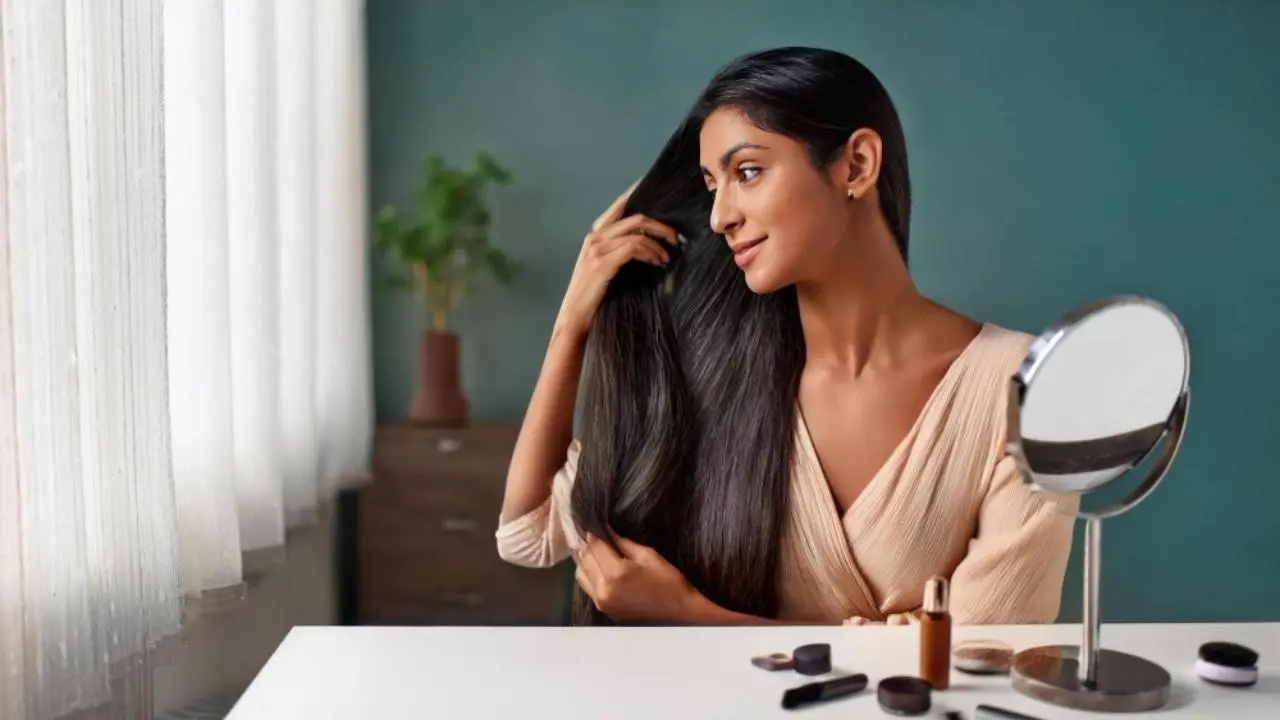
Essential Hair Care Tips for Healthy, Gorgeous Locks
Maintaining healthy hair doesn't necessarily mean expensive products or frequent salon visits. Effective hair care begins with fundamental habits at home. Elements such as weather conditions, pollution, stress, heat styling, and our diets affect the appearance of our hair. Many encounter issues like brittleness, hair loss, dandruff, or lackluster hair due to neglecting basic care routines.
Fortunately, small adjustments to your everyday regimen can significantly bolster your hair’s strength and shine. This article outlines accessible tips tailored for every hair type.
1. Regularly Oil Your Hair
Oiling has long been a trusted method for strengthening hair, nourishing the scalp and ensuring healthy roots.
Benefits of Oiling:
Recommended Oils:
Warm the oil before gently massaging it onto your scalp for several minutes. Allow it to sit for a minimum of one hour or overnight before rinsing it out.
2. Opt for a Mild Shampoo and Limit Washing Frequency
Washing hair excessively strips away the natural oils that keep it supple.
How Often to Wash:
Use a gentle shampoo and wash your hair with lukewarm water, as hot water can weaken strands and cause dryness.
3. Follow Up with Conditioner
Conditioners are vital for ensuring hair remains soft and manageable.
Importance of Conditioner:
-
Reduces frizz
-
Smoothens hair texture
-
Prevents tangles
-
Diminishes dryness
Apply conditioner to the lengths of hair, avoiding the scalp area.
4. Limit Heat Styling
Frequent use of blow dryers, straighteners, and curlers can potentially harm hair.
If Heat Styling is Necessary:
-
Always use a heat-protectant spray
-
Set tools to lower heat settings
-
Avoid daily styling
-
Let hair air-dry as much as possible
Natural hair tends to remain healthier long-term.
5. Gently Comb Your Hair
Rough combing practices can lead to hair breakage.
Safe Combing Practices:
-
Utilize a wide-tooth comb
-
Begin detangling from the ends
-
Refrain from combing wet hair
-
Be gentle around the root area
Gentle handling reduces the risk of breakage.
6. Regular Trims
Trimming every 8–12 weeks eliminates split ends and keeps hair looking vibrant and healthy.
7. Nourishing Foods for Hair Health
Diet plays a significant role in the condition of your hair.
Nutritious Foods for Hair:
Additionally, stay hydrated by drinking plenty of water to keep your scalp well-moisturized.
8. Shield Hair from Sunlight and Pollution
Dust and harsh sunlight can damage your strands.
Hair Protection Methods:
-
Cover your hair with a scarf or cap when outdoors
-
Apply a lightweight serum or leave-in conditioner
-
Gently wash hair after exposure to heavy pollution
This practice helps mitigate dryness and buildup.
9. Embrace Natural Home Remedies
Common household items can address various hair issues.
For Dryness:
Use warm coconut oil or aloe vera gel.
For Dandruff:
Implement curd or a combination of coconut oil and lemon.
For Hair Loss:
Apply onion juice weekly.
For Shine:
Rinse hair with rice water.
These natural solutions are safe when utilized correctly.
10. Avoid Tight Hairstyles
Tight ponytails and braids can pull on hair and lead to breakage. Opt for looser styles, especially when sleeping, to lessen strain on hair roots.
11. Manage Stress Levels
Stress significantly contributes to hair loss.
Stress-Reduction Techniques:
-
Engage in deep breathing exercises
-
Take regular walks
-
Participate in simple exercises or yoga
-
Ensure ample sleep each night
A relaxed mind fosters better hair growth.
12. Maintain a Clean Scalp
A clean scalp is critical for promoting healthy hair. Oils, dirt, and product buildups can obstruct pores and compromise the roots. Utilize mild shampoo and minimize the usage of styling products.
Hair care need not be daunting. Simple habits, including oiling, gentle cleansing, regular trims, nutritious eating, and heat protection can dramatically improve your hair's health and aesthetics. Every individual's hair is unique; hence, trial and error may guide you in finding the most effective routine. With patience and consistent care, you can achieve vibrant, healthy, and beautiful hair year-round.
Disclaimer
The hair care advice in this article serves as general guidance and may not work for everyone. Individual hair types, scalp conditions, allergies, and health concerns can influence results. Readers should always assess their specific needs and seek advice from a dermatologist or hair care professional if experiencing severe hair loss, irritation, infections, or any unusual reactions. The publisher disclaims responsibility for any consequences resulting from these recommendations.