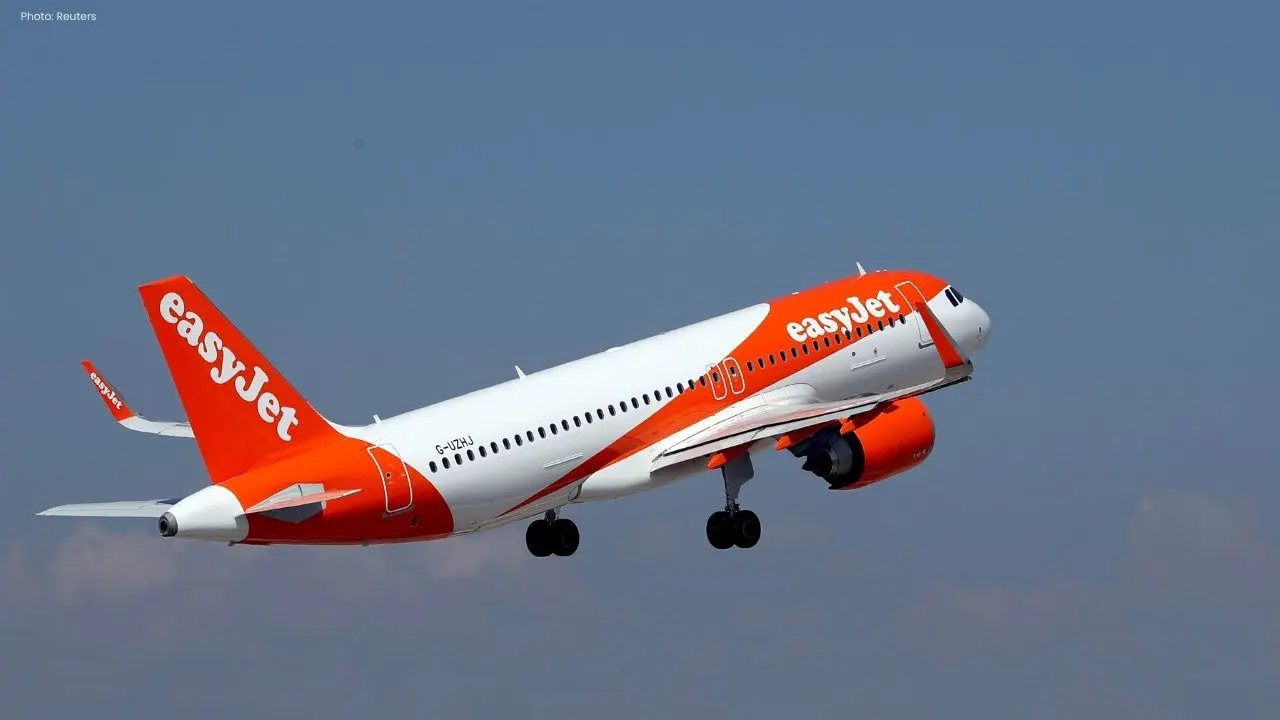
London: British low-cost carrier EasyJet has announced that it expects a significantly larger first-half loss due to escalating jet fuel prices linked to rising tensions in the Middle East.
The airline projects a headline loss before tax in the range of GBP540 million to GBP560 million for the six months ending in March. This represents a notable increase from the GBP394 million loss recorded during the same period last year.
Fuel Costs Impact Performance
The company attributes this increase to surging fuel prices—primarily due to ongoing conflict in the Middle East—which resulted in an additional GBP25 million in expenditure in March alone. The volatility in oil markets continues to affect operational costs.
Increased Competition and Legal Expenses
In addition to rising fuel costs, EasyJet's financial standing has been pressured by fierce competition in primary travel markets that has influenced pricing and demand. The airline also indicated a GBP30 million rise in legal provisions due to various historical cases, further hindering profitability.
Uncertain Outlook
According to Chief Executive Kenton Jarvis, the airline’s performance has not met expectations compared to last year, with geopolitical factors and a tough competitive landscape to blame. Furthermore, the tensions between the US and Iran have created short-term uncertainty regarding fuel costs and customer behavior. Nevertheless, EasyJet believes it can navigate market fluctuations successfully.
EasyJet will share its comprehensive first-half earnings report on May 21, shedding light on its financial health and future expectations.