A Shift in the Eastern Himalayas
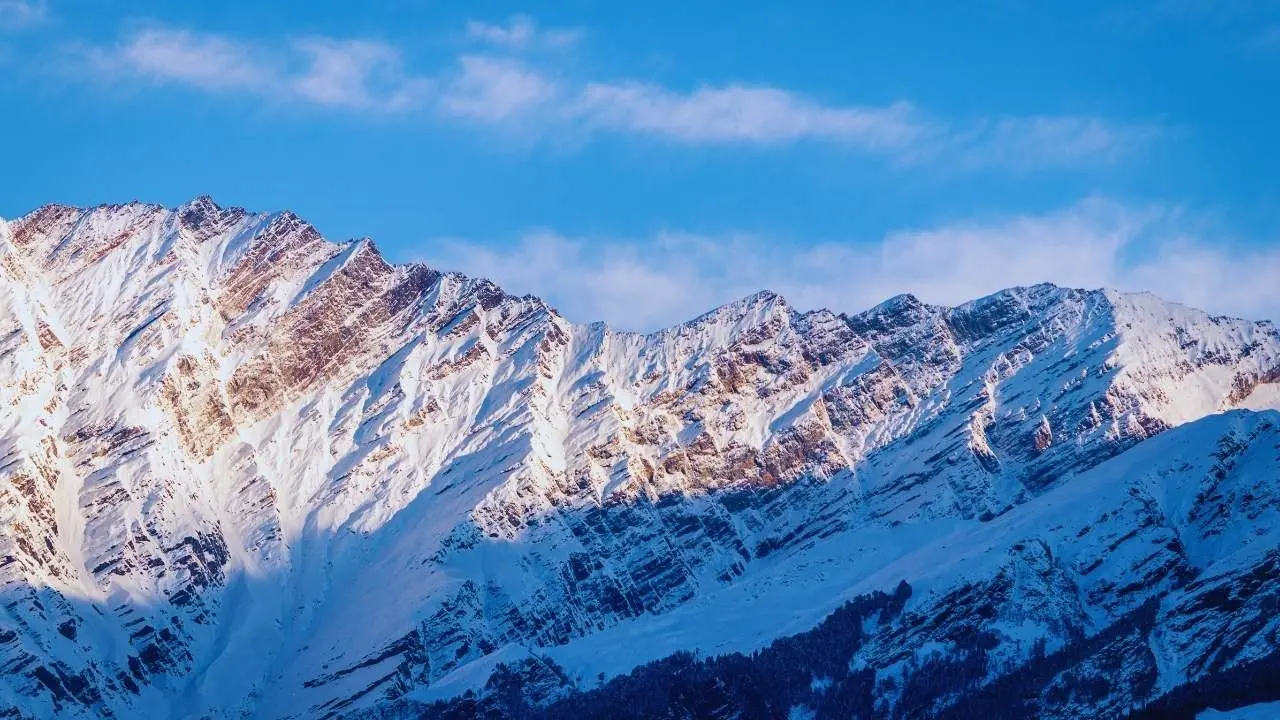
Traditionally revered as resilient, the Eastern Himalayas now present a different reality. Winters, once predictable with soft snowfall, are getting shorter, and the warmth is altering the local climate.
Sudden and intense rainfall leads to dry springs, while once-stable glaciers dwindle, filling the valleys with swelling lakes. The security that hill towns provided against rising temperatures is becoming increasingly precarious.
Regions from Sikkim to Bhutan are witnessing firsthand the rapid warming that scientists have been warning about. This piece delves into the implications of this warming trend for hill towns, analyzing how the likely disasters are reshaping local living conditions and what maps must reflect in a changing reality.
Why These Mountains Matter
The Eastern Himalayas aren't just any mountains; they function as:
The rivers that spring from them nourish millions, while their forests stabilize the landscape, cool the climate, and dictate rainfall patterns. Consequently, when these mountains shift, the entire region feels the impact.
Factors Behind the Accelerated Warming
Rising Temperatures
Over the last 20 years, temperatures in this region have escalated, particularly during winter. Colder nights have become rare, impacting natural cycles such as:
-
Ice formation
-
Consistency of rivers
-
Soil moisture retention
-
Forest health
With the cold diminishing, the balance of the ecosystem falters.
Shifting Rain Patterns
Rainfall is no longer predictable; it can be torrential and destructive. Instead of gentle showers, the landscape faces:
Residents struggle to cope with these drastic changes.
Glacial Melting
Glaciers, once the steady providers of water, are receding far too quickly, leading to two significant threats:
The potential for catastrophic flooding from these lakes is growing.
Infrastructure Ill-Suited for New Realities
Designed for Predictable Weather
Most hill towns were constructed when weather followed reliable patterns. The road systems, homes, and markets were built with a normal climate in mind, leading to significant vulnerabilities.
Revised Disaster Maps
New Risk Assessment
Traditional maps indicated safe zones based on past patterns. However, as climate change dictates new norms:
-
Landslide zones now emerge in previously stable areas
-
Flood risks are extending into developed locales
-
Areas once immune to fire now face increased risk
-
Glacier-fed rivers have become unpredictable
Existing hazard maps no longer provide adequate guidance.
Mapping for Survival
Local authorities are leveraging modern mapping techniques to determine the safest places for:
These updated maps are crucial for community survival.
Concerns About Water Security
Depleting Springs
Many towns rely on underground springs that:
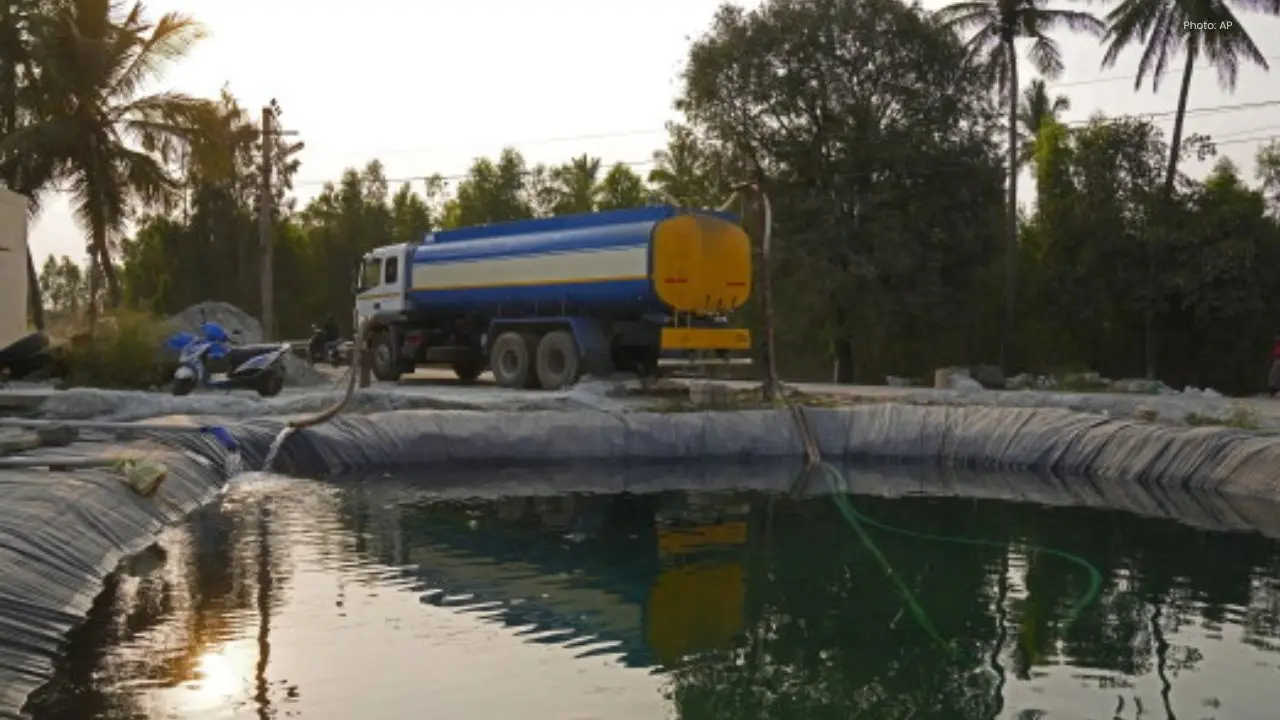
As temperatures rise, these springs suffer, leading to water shortages.
Forests Losing Their Attributes
Invasive Species Threaten
Native plant species are under pressure from rising temperatures and invasive species, weakening the soil and increasing fire hazards.
Landslides: The Quiet Danger
Subtle Yet Deadly
Landslides often strike without warning, driven by:
The Impact on Tourism
Challenges Ahead
Tourism in Eastern Himalayan towns, including activities like homestays, trekking, and winter sports, is at risk due to:
Health Issues on the Rise
Emerging Health Risks
Rising temperatures can lead to a rise in illnesses such as:
Effects on Education
Setbacks caused by washed-out roads and landslides prevent children from attending school, making it a silent crisis of climate change.
Community Adjustments
Innovative Building Practices
New constructions are being designed to withstand climate impacts through strategies such as:
-
Elevation
-
Reinforcement
-
Drainage enhancements
Relocating Communities
Communities are making the tough choice to relocate to safer, elevated areas.
Life-Saving Early Warning Systems
There’s an emphasis on:
Education as a Defensive Measure
Individuals are being educated in:
The Future Risks of Unchecked Warming
Continuing current trends could lead to:
A Global Issue
The ramifications do not end at the mountain’s base; what impacts the hills reverberates downstream.
Immediate Actions Needed
Stricter Regulations
Developments must adhere to stricter guidelines to prevent exacerbating disaster risks.
Forest Protection
Maintaining tree cover is critical to mitigate the climatic shifts.
Encouraging Sustainable Tourism
Tourists need to:
A Choice for Survival
Hill towns must either:
Conclusion: An Era of Transforming Landscapes
What was once perceived as a steady geography is now evolving rapidly. The Eastern Himalayas are experiencing climate shifts that demand an urgent response, as living standards evolve to adapt to new realities.
They are actively adjusting their homes, infrastructure, and survival strategies. The maps of their future are being redrawn.
Disclaimer:
This article is intended for informational purposes and should not replace legal or environmental policy advice. Readers are advised to consult local authorities for specific guidance regarding climate conditions.