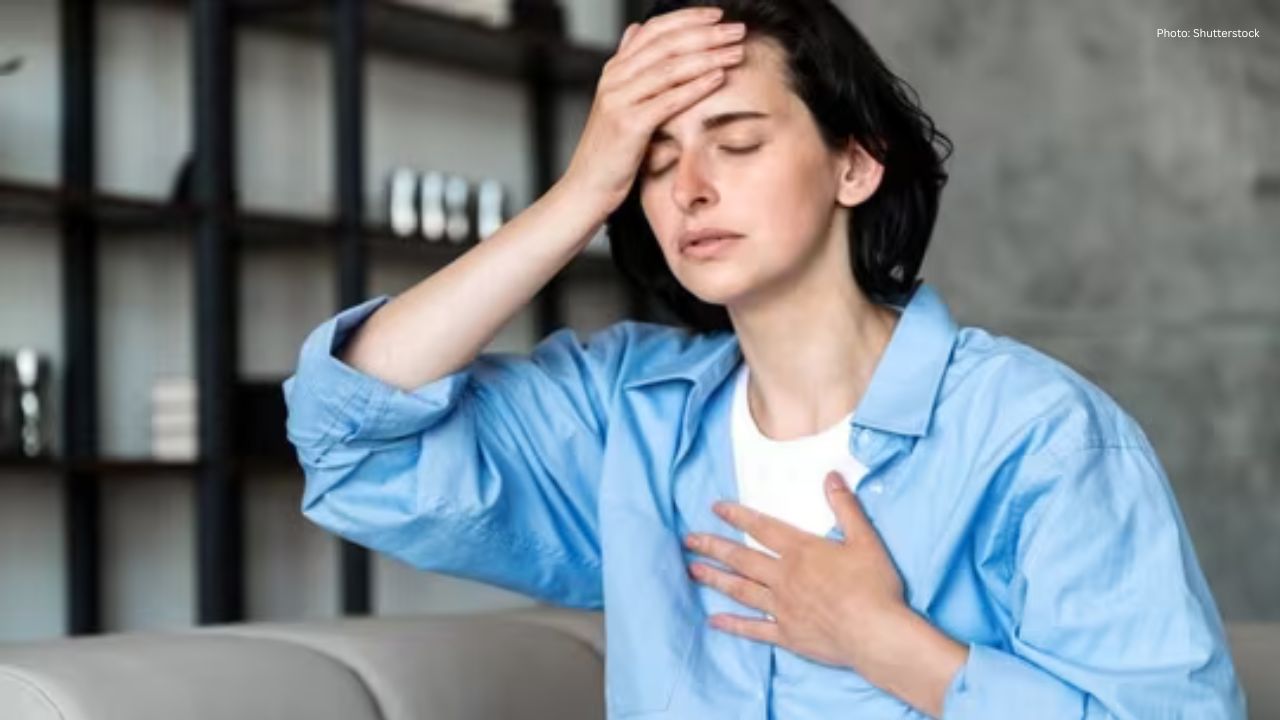
Movies often show heart attacks as dramatic chest-clutching moments, but real-life episodes can be far less cinematic. Dr. Jeremy London, a heart surgeon with more than 25 years of practice, says that many patients never report intense chest pain. Instead, they notice mild, easily dismissed symptoms such as lightheadedness, unusual tiredness or fleeting discomfort.
Having cared for thousands of people, Dr. London recently took to social media to highlight how misleading popular ideas about heart attacks can be. He warned that the classic image of sudden, severe chest pain doesn’t reflect the full picture. “Not everyone experiences that movie-style pain,” he said. “Plenty of heart attacks happen quietly, and the signs can be subtle.”
The message is particularly important for women, older adults and people living with diabetes, he added. These groups frequently present without obvious chest pain and instead report breathlessness, nausea, or odd pressure radiating to the neck, jaw or back. Others simply feel unusually weak or fatigued.
Dr. London explained the basic physiology: the heart relies on blood vessels to deliver oxygen. When a vessel becomes blocked, the muscle begins to be starved of oxygen and a heart attack can follow. But the body doesn’t always send a clear alarm; sometimes the warning signals are mistaken for indigestion, stress or exhaustion.
“Research shows patients without chest pain often arrive at hospital later than those with classic symptoms,” Dr. London said. “Those delays can be life-threatening. If something feels off, seek medical help without delay.”
He urged people to heed sudden or unusual tiredness, breathlessness or dizziness and to treat these sensations seriously even if they seem fleeting. Early attention can make a crucial difference.
Cardiologists agree that swift treatment is lifesaving. Tests such as ECGs and blood markers help doctors spot blockages and act to restore circulation to the heart. Rapid intervention improves the chances of recovery.
Dr. London also stressed preventive measures: routine medical check-ups, regular physical activity and a balanced diet support heart health. Quitting smoking, managing cholesterol and keeping blood pressure in check all lower the risk of heart disease.
Drawing on decades of clinical experience, his advice was straightforward: heart attacks don’t always announce themselves loudly. Learning the quieter signs can help people get care quickly.
Heart disease remains a leading cause of death worldwide, but greater awareness, prompt treatment and healthier habits can prevent many tragedies.
He closed with a simple plea: “Don’t wait for dramatic pain. If your body feels wrong, take it seriously. It’s better to be safe.”