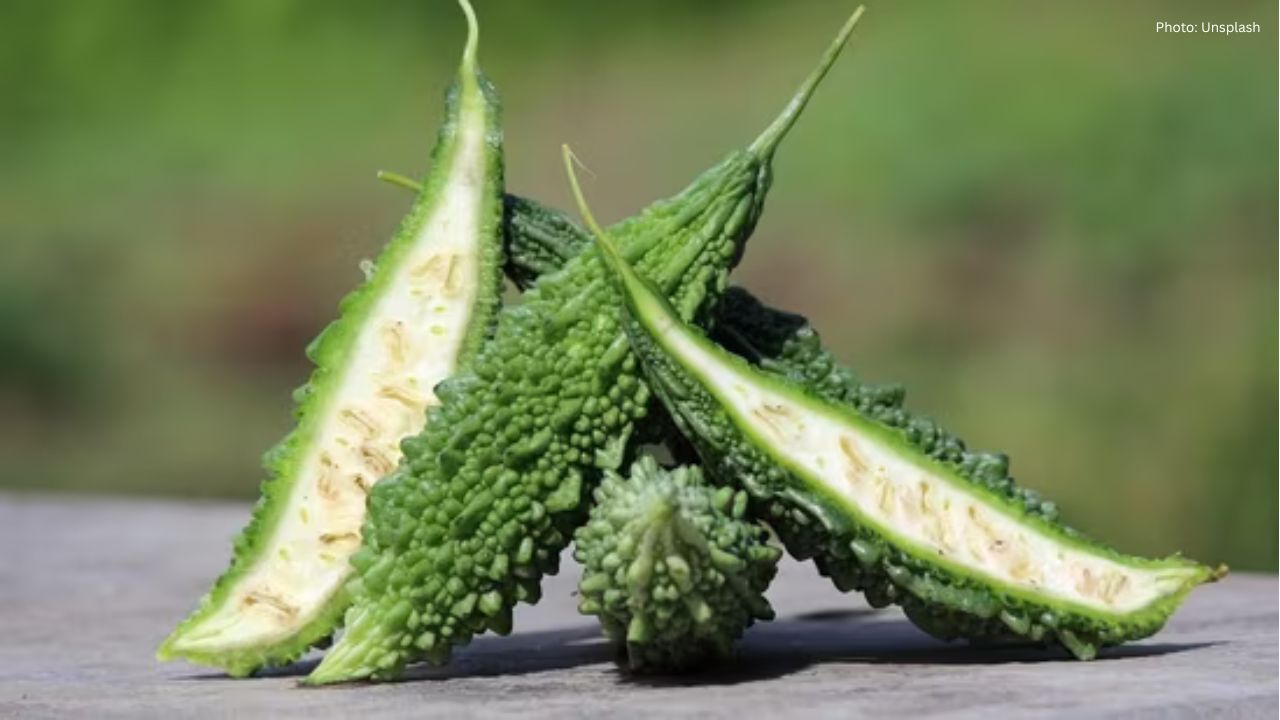
Karela, often referred to as bitter melon, stands out in Indian cuisine due to its distinctive and intense flavor. While its bitterness can be off-putting to some, its nutritional benefits are significant. Recently, karela juice has gained traction among individuals with diabetes for its supposed aid in blood sugar control. It has also garnered attention for potential improvements in skin health and weight maintenance, marking it as a trending health staple.
Initial studies indicate that karela could indeed assist in stabilizing blood sugar levels. Research from 2017 highlighted potential improvements in those with type 2 diabetes, although healthcare professionals emphasize further investigation is necessary to substantiate these findings. While karela juice might not be a panacea, many health experts advocate for its inclusion in a balanced wellness routine, particularly alongside a nutritious diet and regular medical check-ups.
This remarkable vegetable is rich in antioxidants like vitamin C and provitamin A, which play crucial roles in skin repair and health. Regular consumption of karela juice is reported by many to lead to clearer skin and enhanced recovery from skin ailments. The antioxidants found in karela also combat damage from environmental stressors, reinforcing its role in comprehensive skincare.
Individuals aiming for weight reduction often incorporate bitter melon juice into their diets. A 2022 study revealed that a 40-day regimen of bitter melon consumption bolstered metabolism, particularly for those on high-fat diets. An optimized metabolism can facilitate more efficient calorie burning, further solidifying karela's reputation in weight management circles. With its low calorie count and nutrient density, karela supports holistic well-being alongside proper diet and exercise.
Moreover, karela is loaded with essential vitamins such as C, A, and E, along with several B vitamins, including folate. It also provides vital minerals like potassium, calcium, zinc, iron, phosphorus, and magnesium, making karela a powerhouse for nutritional enhancement. Many raised on karela often regard it as one of the healthiest vegetables available.
Nonetheless, like any food, limitaions apply to karela juice consumption. Excessive intake may lead to mild digestive issues, including stomach upset or diarrhea. Adjusting to its unique flavor might take time for some, but those who embrace its bitterness frequently discover that its health benefits outweigh the initial taste challenges.
Health professionals advise that while karela juice can contribute to overall health, it should not substitute for prescribed medical treatments. Individuals with diabetes or other health conditions should always seek guidance from healthcare providers before altering their diets. Maintaining a well-rounded lifestyle, adequate medical oversight, and informed dietary choices are paramount for effective long-term health management.
Karela juice might not possess miraculous properties, yet its wealth of nutrients, antioxidants, and metabolic benefits position it as a favorable option for those pursuing wellness through traditional dietary practices. Its virtues are long acknowledged in Indian homes, and contemporary studies are slowly verifying what many have trusted: karela can indeed enhance a healthy lifestyle when consumed judiciously.