An Icon of Endless Affection
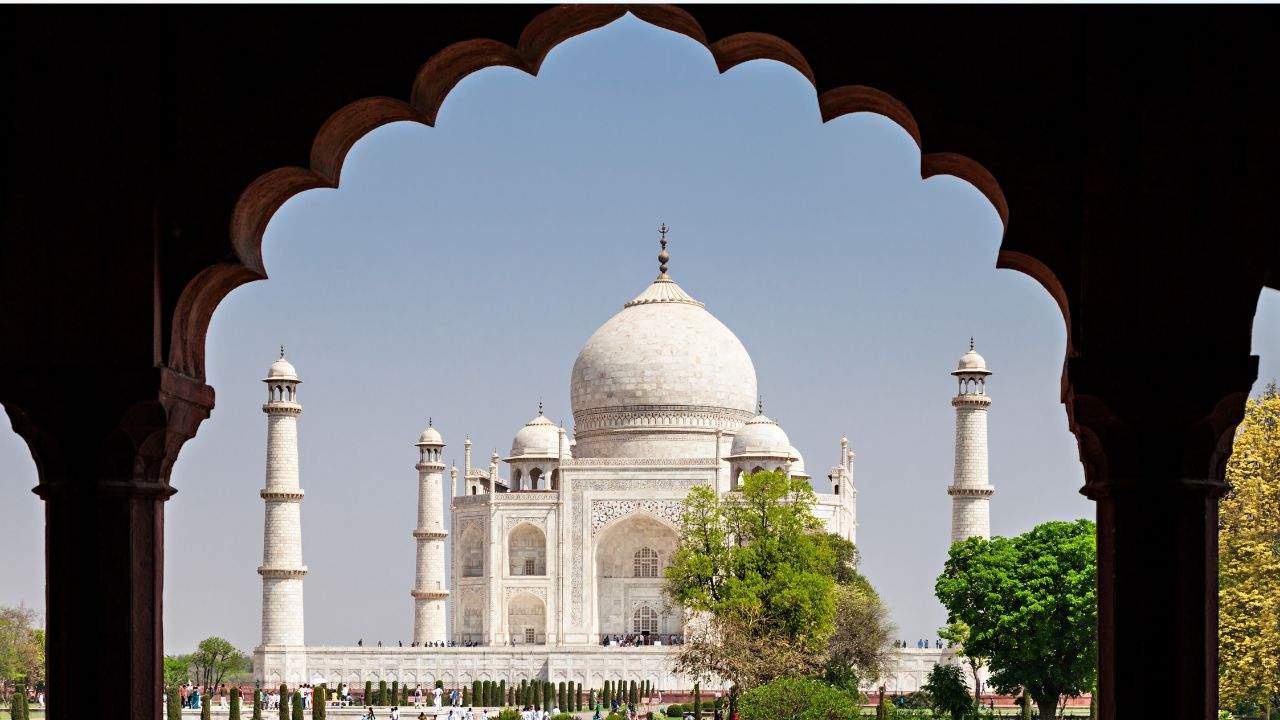
Few structures evoke emotions quite like the Taj Mahal. Gracefully settled along the Yamuna River in Agra, India, this white marble mausoleum is not merely a building—it stands as a testament to love, dedication, and artistic mastery. Created by Emperor Shah Jahan in honor of his cherished wife Mumtaz Mahal, the Taj Mahal continues to enchant countless visitors with its splendor and the profound tale behind its creation.
Its timeless charm beckons travelers not only for its remarkable design but also for the romantic and cultural legacy it embodies.
A Legendary Romance That Brought Forth a Marvel
Shah Jahan & Mumtaz Mahal: A Love Story for the Ages
The romance between Shah Jahan and Mumtaz Mahal is one for the history books. United in marriage in 1612, Mumtaz Mahal didn’t just serve as the emperor's wife; she was his confidante and partner during his reign. Tragically, she passed away in 1631, leaving Shah Jahan devastated. To eternalize her memory, he dedicated his life to constructing the Taj Mahal, a site destined for everlasting remembrance.
Transforming Grief into Grandeur
The Taj Mahal serves as a powerful illustration of how heartache can blossom into beauty. Every architectural feature—from the sweeping domes to the detailed inlay—encapsulates Shah Jahan’s boundless love for Mumtaz. It is not just a tomb; it’s an emotional narrative chiseled in stone, representing timeless devotion.
Awe-Inspiring Architecture That Stands the Test of Time
Recognized as one of the greatest architectural wonders, the Taj Mahal integrates Mughal, Persian, and Indian styles, resulting in a stunning visual masterpiece.
Influences of Mughal and Persian Design
-
Symmetry defines the Taj Mahal’s design, crowned by a majestic central dome surrounded by four elegant minarets.
-
The arches, calligraphy, and geometric forms showcase Persian architectural traits while intertwining beautifully with Indian traditions.
-
Garden arrangements, styled in the Charbagh format, symbolize paradise in Mughal culture, enhancing the spiritual atmosphere.
Marble Brilliance and Inlay Craftsmanship
The Taj Mahal’s radiant white Makrana marble serves as a canvas for exquisite pietra dura artistry. Precious stones such as lapis lazuli, jade, turquoise, and agate are meticulously inlaid into floral and geometric designs, resulting in a breathtaking visual delight.
Key Highlights:
-
Each gem is hand-shaped and tailored with precision.
-
The floral designs reflect the Mughal passion for nature and elegance.
-
Inscriptions in calligraphy include verses from the Quran, rendering spiritual depth to the architectural grandeur.
Building a Vision: Over Two Decades of Dedication
The Taj Mahal was not completed in haste. Construction commenced in 1632 and spanned more than 22 years. Approximately 20,000 artisans, craftsmen, and workers were engaged in this monumental task.
Engineering Wonders
-
The foundation required innovative hydraulic systems to manage potential flooding from the Yamuna River.
-
The central dome stands 73 meters high, intricately proportioned alongside its surrounding minarets for aesthetic appeal.
-
The marble panels were perfectly aligned for symmetry, showcasing advanced geometric knowledge.
Challenges and Creativity
-
Transporting marble from remote quarries in Rajasthan relied on the strength of hundreds of elephants.
-
Coordinating thousands of skilled artisans called for meticulous planning.
-
Despite the enormous challenges, the project was executed with stunning accuracy, culminating in a monument that has withstood the ages.
Cultural Relevance and Symbolism
The Taj Mahal transcends its primary role as a tomb; it embodies India’s rich legacy and the timeless essence of love.
A Heavenly Abode
The flowing gardens, shimmering pools, and balanced pathways are crafted to represent heavenly perfection and harmonious tranquility. This design encapsulates the Mughal interpretation of paradise, merging spiritual ideals with architectural brilliance.
Impact on Culture, Art, and Tourism
-
Artists, writers, and filmmakers from around the globe draw creative inspiration from its magnificence.
-
A UNESCO World Heritage Site since 1983, it welcomes millions of visitors each year.
-
Its impact extends beyond India, influencing contemporary design, art, and jewelry.
Astonishing Facts About the Taj Mahal
-
Color Changes: The marble’s color shifts from dawn’s soft pink to midday’s dazzling white and golden during sunset.
-
Final Resting Place of Shah Jahan: Though he built the Taj Mahal, Shah Jahan himself was later interred beside Mumtaz Mahal.
-
Truly An Elephantine Task: Over 1,000 elephants were used to carry construction materials.
-
Global Legacy: The Taj Mahal has inspired replicas and cultural works worldwide.
These fascinating details reveal that the Taj Mahal is not just a building; it’s a vibrant narrative of human passion, artistry, and commitment.
Experiencing the Taj Mahal in the Modern Age
A visit to the Taj Mahal is a journey through history, art, and emotion. Here’s how contemporary guests can best appreciate its grandeur and heritage:
-
Timing Your Visit: Early mornings or late afternoons provide optimal light for photography and a serene experience.
-
Explore the Gardens: Walking through the Charbagh layout enhances the feeling of entering a paradise.
-
Admire the Details: Take the time to notice the marble inlays, inscriptions, and symmetry.
-
Honor the Heritage: Adhere to local guidelines to safeguard the monument for future generations.
Visiting the Taj Mahal is not just about sightseeing; it’s about fully engaging with a narrative of love and legacy.
Lessons Proven by the Taj Mahal
The Taj Mahal imparts timeless insights about existence, affection, and creativity:
-
Enduring Love: Heartache and passion can inspire creations that echo through time.
-
Significance of Precision: Every design feature was intentional, highlighting the importance of accuracy and patience.
-
Cultivating a Legacy: Authentic artistry intertwines vision, skill, and heartfelt involvement.
-
Beauty in Harmony: Symmetry and balance convey not just aesthetics, but also spiritual and philosophical ideals.
The Taj Mahal serves as a reminder that human emotions, skillfully expressed, can leave a profound impact on history.
Spiritual Wisdom and Important Note
The Taj Mahal represents much more than a structure; it is a conflict of devotion, artistry, and eternal legacy. It illustrates how emotional depth, when combined with skill and commitment, can yield beauty that resonates across generations.
Important Note
This article is designed for educational and cultural purposes. While it celebrates the Taj Mahal's history and artistry, readers are encouraged to visit responsibly and honor local heritage. The information presented here is intended for general knowledge and inspiration.
Disclaimer
This article is for educational, cultural, and informational purposes only. While exploring the history, architecture, and legacy of the Taj Mahal, readers should verify facts independently and respect local guidelines for preservation and heritage protection.