Photo : X / @OmanMHT
In a surprising turn of events, an ordinary infrastructure project in Oman has unearthered a wealth of ancient history, as archaeologists come across graves that date back 3,000 years along a coastal road. Initially intended for routine survey work, this excavation has blossomed into a groundbreaking archaeological discovery, giving us a glimpse into the burial customs and cultural norms of early Oman. This case exemplifies the often unexpected intersection of contemporary development and historical preservation, leading to new perspectives on how nations balance infrastructure growth with heritage conservation.
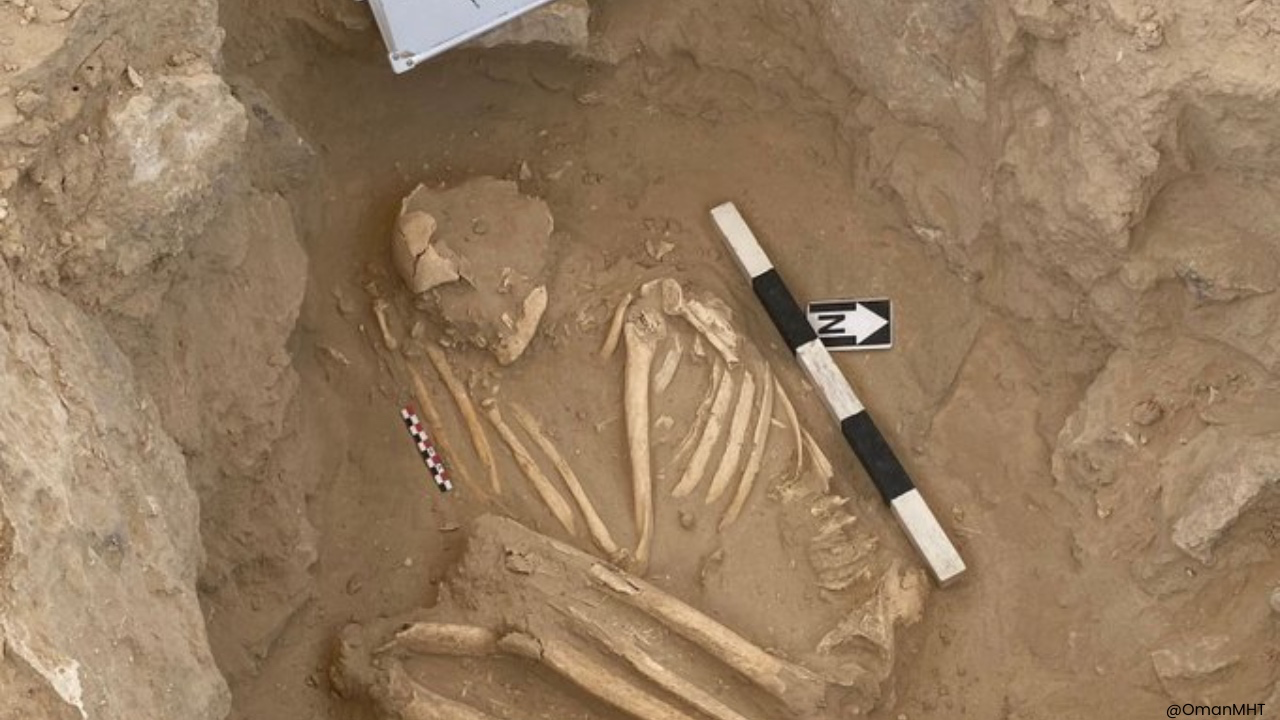
The excavation spanned three sites over almost 14 kilometers, uncovering at least ten graves from the late second millennium and early first millennium BCE. Among the intriguing findings were skeletons positioned in a crouched manner, reflecting an ancient funerary tradition packed with cultural significance tied to beliefs surrounding life, death, and the afterlife. Accompanying these remains were a range of artifacts such as shells, beads, and animal bones, likely placed deliberately as integral elements of burial rituals. These findings shine a light on how early societies honored their deceased, weaving a narrative rich in cultural complexity thousands of years in the making.
The distinct crouched burial style, coupled with ritualistic items, indicates a highly ritualized approach to funerals in ancient Oman. Such practices suggest that burial served not just practical purposes but were also profound societal rituals rooted in cultural identity. Archaeological findings across the Oman peninsula have long demonstrated how burial customs adapted over time, reflecting shifts in social structure and intercultural exchanges. The newest graves contribute significantly to this evolving story, affirming that ancient Omani societies were interwoven with a broader tapestry of interconnected civilizations.
Noteworthy is the discovery's location along a modern road, hinting at a larger trend where development projects reveal archaeological gems. This scenario prompts a nuanced conversation regarding the balance between progress and preservation. In Oman, there is a growing preference for embedding archaeological reviews into infrastructure projects, ensuring historical sites are documented and safeguarded ahead of construction activities. This approach enriches Oman’s national identity while ensuring cultural heritage is not lost to modern advancement. For those in transportation and infrastructure, this underscores the vital role of heritage management in planning, marrying economic development with historical integrity.
These findings enhance Oman’s notable archaeological landscape, which boasts some of the most significant remnants of the Bronze Age in the Arabian Peninsula. The nation continues to provide evidence of intricate societies that once flourished. These archaeological discoveries hold immense potential for cultural tourism and collaboration in international research endeavors, positioning Oman as an emerging hub for archaeological investigation and historical scholarship.
As researchers delve deeper into the significant graves and associated artifacts, new insights on early human existence in the region are anticipated, likely reshaping our understanding of past communities. Each excavation unearths elements of a larger narrative, helping historians piece together the complexities of ancient Omani social dynamics. For today’s world, this finding serves as a poignant reminder of the rich, intricate histories lying just below our modern landscapes, urging us to think critically about how we develop, explore, and safeguard our heritage.