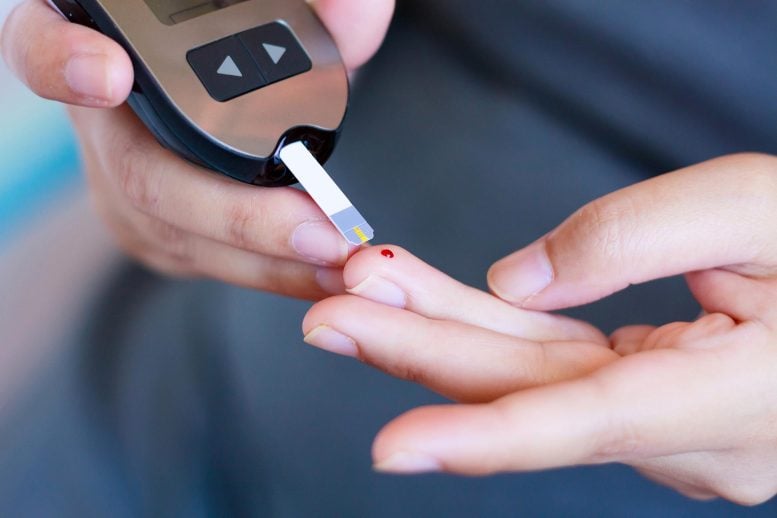
Diabetes is a rapidly growing health challenge worldwide, but a staggering 44% of adults with diabetes remain undiagnosed, putting millions at serious risk of dangerous complications. This alarming discovery comes from a comprehensive new study published in The Lancet Diabetes & Endocrinology, analyzing data from over 200 countries between 2000 and 2023.
Why Is There a Large Diabetes Diagnosis Gap?
The study reveals that nearly half of people aged 15 and older who have diabetes do not know they have it. This leaves them vulnerable to severe health consequences such as heart disease, kidney failure, blindness, and nerve damage—conditions often only noticed once diabetes is very advanced. One reason is that many people with diabetes have no obvious symptoms early on and might not regularly visit doctors for lab tests and screenings.
Global Variations in Diagnosis and Treatment
Geography dramatically influences diagnosis rates. Wealthier nations like the United States and Canada show higher diagnosis rates, with about 80-83% of people with diabetes aware of their condition. On the other hand, in lower-income regions, particularly parts of sub-Saharan Africa, fewer than 20% of people with diabetes are diagnosed. This disparity reflects differing healthcare access and awareness worldwide.
Although about 91% of diagnosed diabetics receive medication, fewer than half successfully manage to keep their blood sugar under control. Globally, only one in five people with diabetes effectively manage their condition to prevent complications.
The Growing Diabetes Burden
Experts predict a staggering rise in diabetes cases, estimating that by 2050, 1.3 billion people worldwide will be living with diabetes. With nearly half unaware of their condition, this poses a looming public health crisis that could escalate into a silent epidemic if health systems do not improve diagnosis and follow-up care.
The Importance of Early Detection and Lifestyle Support
Early detection of diabetes or prediabetes can significantly change the disease's trajectory. For some individuals, moderate lifestyle changes combined with early treatment can normalize blood sugar levels and potentially delay or prevent type 2 diabetes. Experts recommend everyone undergo regular health checkups to detect diabetes early.
Nutrition specialists also highlight that increasing fiber intake through whole, unprocessed plant-based foods like vegetables and nuts, alongside consistent physical activity, helps regulate blood sugar and reduce diabetes risks.
Why Are Diagnosis and Management Still Falling Short?
The study emphasizes that while medication is essential, treatment alone often falls short. Effective management demands a comprehensive approach involving continuous monitoring, patient education, and lifestyle interventions. Unfortunately, many health systems worldwide do not adequately deliver these crucial support measures.
Lead researchers warn that these statistics should serve as a wake-up call for governments and healthcare systems worldwide to prioritize improved diabetes screening, diagnosis, and multidimensional care strategies. Closing the diagnosis gap is vital to prevent millions of people from silently suffering and facing severe, potentially fatal complications later.