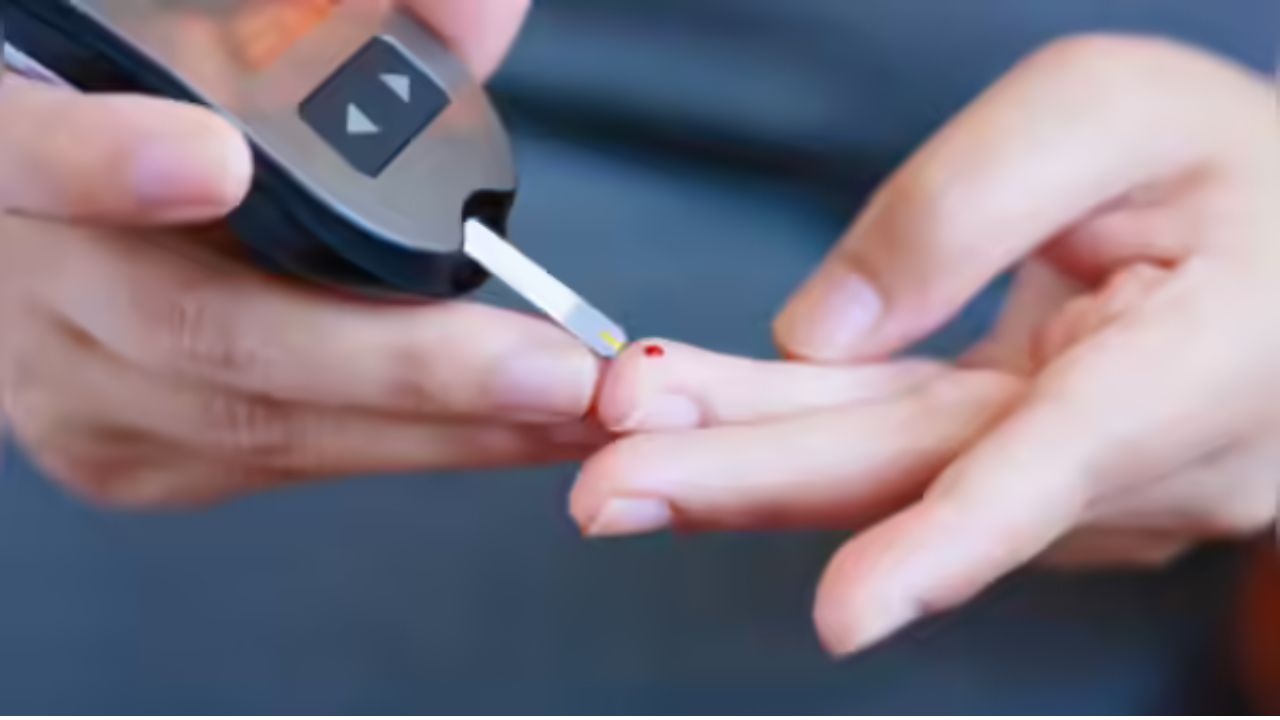
Diabetes and fatty liver disease frequently coexist, making it crucial to comprehend their relationship in order to prevent severe health complications.
What is Fatty Liver Disease?
Fatty liver disease refers to the accumulation of excess fat in the liver, potentially causing swelling and impairment of liver function. If neglected, it may lead to liver damage or failure. The two primary types are alcoholic fatty liver disease, stemming from excessive alcohol consumption, and non-alcoholic fatty liver disease (NAFLD), associated with obesity, unhealthy diets, and various health disorders.
The Connection Between Diabetes and Fatty Liver
Individuals with type 2 diabetes have a heightened risk of fatty liver disease due to elevated blood sugar levels and insulin resistance that encourage fat storage in the liver. Research indicates nearly 50% of diabetics also suffer from fatty liver disease.
The coexistence of these two conditions can exacerbate each other. Fatty liver can elevate insulin resistance, complicating blood sugar management, while high glucose levels can exacerbate fat buildup in the liver. This ongoing cycle amplifies the risk of heart disease, liver dysfunction, and other serious health issues.
Signs to Be Aware Of
In the early stages, fatty liver disease often presents no discernible symptoms. Affected individuals may experience fatigue or discomfort located in the upper right abdomen. Symptoms of diabetes include incessant thirst, frequent urination, fatigue, and blurred vision. Routine health check-ups are vital as both conditions can progress stealthily without overt signs.
Prevention and Management Strategies
Maintaining a healthy weight, consuming a balanced diet, and engaging in regular physical activity are fundamental in warding off both diabetes and fatty liver disease. Reducing intake of sugar and unhealthy fats while focusing on vegetables, whole grains, and lean proteins is advisable.
For those diagnosed with diabetes, managing blood sugar is essential. Healthcare providers may advise regular liver screenings to detect any early indicators of fatty liver disease. In certain cases, medication might be necessary to regulate blood sugar or alleviate liver inflammation.
Expert Insights
Dr. Sara Al-Mansouri, a liver specialist, emphasizes, “Many individuals remain unaware of the profound connection between diabetes and fatty liver disease. Lifestyle adjustments can avert severe complications, and early detection plays a pivotal role.”
To conclude, the link between diabetes and fatty liver disease is significant. Understanding, proactive detection, and adopting healthy lifestyle habits are crucial for safeguarding liver function and overall well-being.