Delhi's Air Quality Emergency: A Yearly Struggle
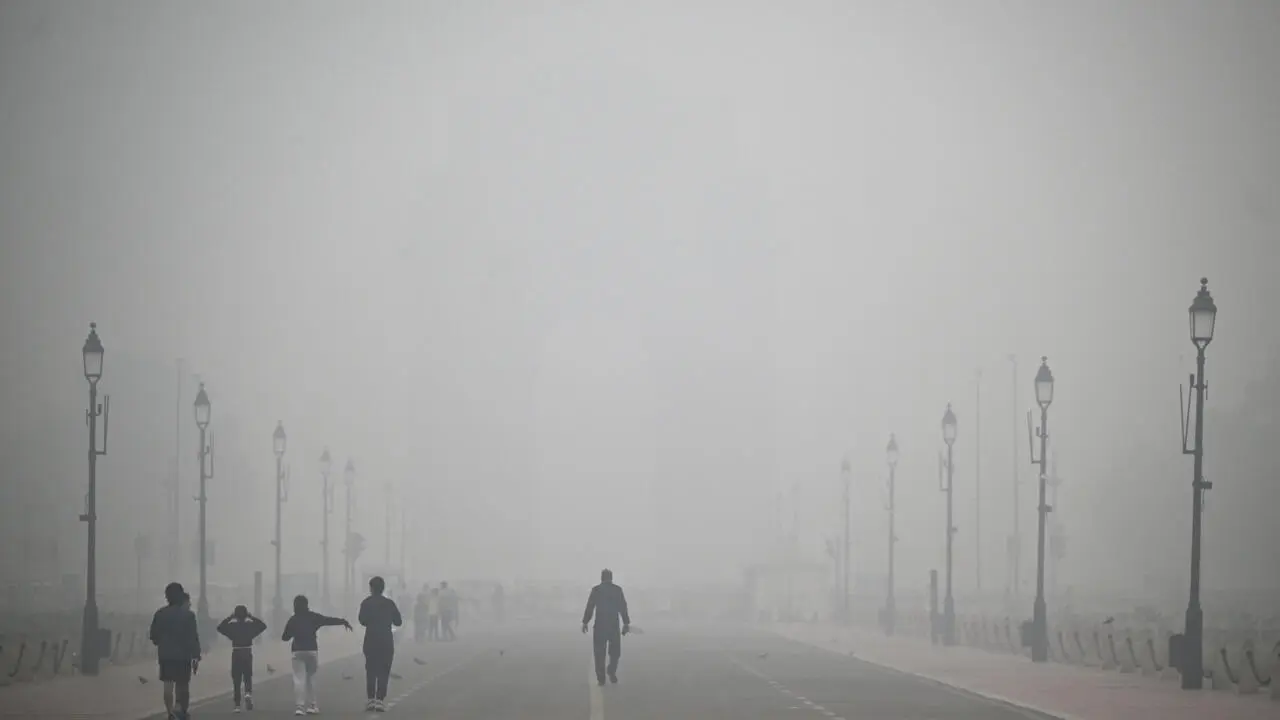
As winter nears, Delhi prepares for what has become an environmental crisis. Streets are shrouded in a thick, grey fog, the sun appears as a muted orb, and the very act of breathing grows increasingly burdensome. What initially was labeled as poor air quality has transformed into a sprawling health dilemma.
The persistent smog over the city results from a convergence of factors—topography, climate, urban expansion, and human behavior. For Delhi's residents, this hazardous air is no longer a fleeting issue but a constant presence influencing their day-to-day lives.
Given the consistently hazardous air quality indices, the pressing issue is not whether Delhi has a smog issue, but rather the severity of the situation and how its citizens are adapting to survive it.
What's in the Air: Decoding Delhi's Smog
The Hazards of Smog Explained
Smog is essentially a combination of smoke and fog; however, in Delhi, the reality is far more intricate. The city's atmosphere harbors a harmful cocktail of particulates, particularly fine particles that can infiltrate deep into the lungs and bloodstream.
These minuscule particles often evade detection, yet they pose the greatest danger. When weather patterns stagnate them close to the ground, they accumulate, forming a thick veil over the metropolis.
Cold Weather Compounding the Issue
Delhi's geographical conditions during winter exacerbate the crisis. Temperature inversions trap pollutants at lower altitudes while stagnant winds prevent their dispersion, allowing harmful emissions to assemble over lengthy periods.
This seasonal phenomenon converts normal emissions into a noxious cloud.
Identifying the Key Contributors to Delhi's Smog
Vehicle Emissions and Traffic Congestion
The rise in vehicular traffic in Delhi significantly contributes to pollution levels. Prolonged idling in congested areas releases vast quantities of exhaust despite stringent emission standards, as the volume of vehicles overshadows any regulatory improvements.
Motorcycles, diesel trucks, and older cars remain key polluters.
Dust from Urban Development
Ongoing urbanization has exacerbated dust pollution from construction work. Large-scale infrastructure projects and expansions generate fine dust that saturates the air.
Insufficient measures to control dust intensify the situation, particularly during the dry winter months.
Industrial Pollution
Industrial facilities around Delhi contribute significantly to pollution levels. Coal-fired power stations, brick kilns, and small manufacturing units frequently violate environmental regulations, compounding the smog issue.
These emissions accumulate, worsening air quality.
Agricultural Burning's Role
One highly debated contributor is the practice of burning crop residue in surrounding areas. After harvest, smoke from these burning fields drifts into Delhi, significantly deteriorating air quality within a short span.
This seasonal activity, coupled with local pollution sources, triggers intense smog episodes.
The Invisible Health Crisis
Respiratory Issues on the Rise
Healthcare facilities in Delhi are experiencing a surge in patients suffering from respiratory difficulties, persistent coughing, and chest discomfort during high smog periods. Vulnerable groups such as children and the elderly face increasing instances of asthma and bronchitis.
Even those in good health report diminished lung function after extended exposure.
Long-Term Health Consequences
Long-term exposure to air pollution is linked to heightened risks of heart ailments, strokes, and chronic respiratory diseases. Medical professionals caution that recurrent exposure can lead to irreversible health issues, particularly for residents in polluted zones.
The smog crisis extends beyond seasonal metrics; its health implications accumulate over time.
Psychological Effects
Living in such an environment takes a toll on mental health, causing anxiety, irritability, and fatigue due to limited outdoor activities and ongoing health concerns.
Families with young children find themselves navigating decisions driven by fear of pollution.
Changes in Daily Life During Smog Season
Restrictions in Schools and Outside Activities
Severe levels of smog frequently result in school closures, recommendations for working from home, and cancellations of outdoor events. Routine activities such as morning walks, sports, and street markets are noticeably curtailed.
Day-to-day life revolves around air quality updates.
Challenges in Transportation
Reduced visibility due to smog creates disruptions in transport, affecting road, rail, and air travel. Increased delays, cancellations, and accidents add to the disarray of life in the city.
Commuting presents not only inconvenience but also danger.
Residents' Strategies to Combat Toxic Air
Use of Masks and Air Purifiers
During smog season, wearing protective masks is common across Delhi. Many households also invest in air purifiers to maintain safe indoor environments, particularly for vulnerable family members.
Ensuring clean air indoors is now seen as a necessity rather than a luxury.
Living Adjustments
Residents are curtailing outdoor engagements, particularly during morning and evening hours when pollution peaks. Fitness routines shift indoors, leaving balconies and terraces unused for extended periods.
Air quality monitoring has become a regular part of life before stepping outside.
Focus on Preventive Care
A move towards immunity-boosting diets, herbal remedies, and frequent medical consultations is apparent among residents. Healthcare professionals recommend hydration and certain nutrients to help the body resist pollution effects.
Preventive healthcare is now a critical survival measure.
Government Actions and Their Efficacy
Short-Term Emergency Plans
During intense smog days, authorities frequently resort to emergency protocols such as limiting vehicle use, halting construction, and ceasing industrial operations. While such measures offer brief respite, their effectiveness is questionable without enduring solutions.
Many locals perceive these actions as reactive rather than proactive.
Public Awareness Initiatives
Campaigns advocating carpooling, enhanced public transportation, and pollution awareness have increased. However, changes in behavior are sluggish without strong enforcement and better infrastructure support.
The disconnect between policy and practical implementation remains stark.
The Financial Burden of Smog
Healthcare Costs and Productivity Declines
The rising costs and productivity losses due to medical issues pose significant economic challenges. Businesses are impacted as employees grapple with illness or avoid travel altogether.
The smog crisis is a quiet yet impactful drain on economic resources.
Tourism and Reputation at Stake
Delhi's reputation suffers dramatically during severe smog episodes. Tourists choose to cancel trips, and outdoor attractions see significant declines in visitors.
Air pollution is thus a reputation issue as much as it is an environmental crisis.
The Impact on Kids During the Smog Crisis
A Generation Indoors
Children in Delhi are increasingly confined indoors due to the pervasive air pollution. Outdoor play, once vital for healthy development, is now often limited for weeks at a time.
This alteration may have long-term effects on their health and daily habits.
Educational Interruptions
Regular school closures and online learning disrupt educational continuity. Parents face challenges balancing their children’s safety with their academic needs.
The smog crisis significantly alters childhood experiences.
Public Sentiment: Perspectives from Residents
Frustration and Acceptance
Many individuals express discontent with the lack of lasting solutions to the smog issue. While some resign themselves to the challenges, others demand accountability and proactive action.
Public patience is shrinking.
Increasing Environmental Consciousness
Despite the challenges, awareness surrounding pollution and sustainable practices is on the rise. More citizens are engaging in discussions about eco-friendly options, electric vehicles, and strategic urban development.
The crisis has ignited conversations that were previously overlooked.
Finding a Path Forward for Delhi
Seeking Long-Term Solutions
Experts agree that enduring solutions are essential, rather than temporary fixes. Transitioning to cleaner energy sources, improving public transportation, enforcing stricter industrial regulations, and fostering regional cooperation are critical.
Smog cannot be tackled within city confines alone.
Collective Efforts Matter
Individual actions can yield significant changes when scaled up collectively. Reducing vehicle usage, effective waste management, and mobilizing community support for policy changes are vital.
The solution necessitates both systemic reform and collective accountability.
Climate Change's Role in Future Smog Challenges
Escalating Pollution Episodes
Climate trends indicate that smog incidents may surge in frequency and severity. Shifting weather patterns and increasing emissions create a troubling scenario for urban air quality.
Delhi could be looking at a prolonged environmental crisis.
Lessons for Other Urban Areas
Delhi's predicament serves as a cautionary tale for other fast-growing cities. Without foresight in planning, pollution can rapidly spiral out of control.
The crisis offers insights that transcend beyond regional borders.
Conclusion: The Struggle for Clean Air in Delhi
Delhi's smog crisis has morphed from a seasonal hurdle into a fundamental urban challenge. Beneath the air quality statistics lies the reality of countless individuals adjusting their lives around toxic air—parents concerned for their children, workers struggling through commutes, and patients filling hospital wards.
Though residents exhibit remarkable resilience, the need for coping strategies should not equate to resignation. Clean air constitutes a fundamental right, not an elusive luxury. Growing awareness and pressure from the public signal that change is feasible—if only the response matches the urgency of the crisis.
Until such action is taken, Delhi continues to awaken under leaden skies, breathing in hope along with the pollution.
Disclaimer:
This article serves informational purposes and reflects general observations, environmental patterns, and public health insights. It is not intended to replace professional medical or environmental guidance. Readers should adhere to official recommendations and consult experts for health-related inquiries.