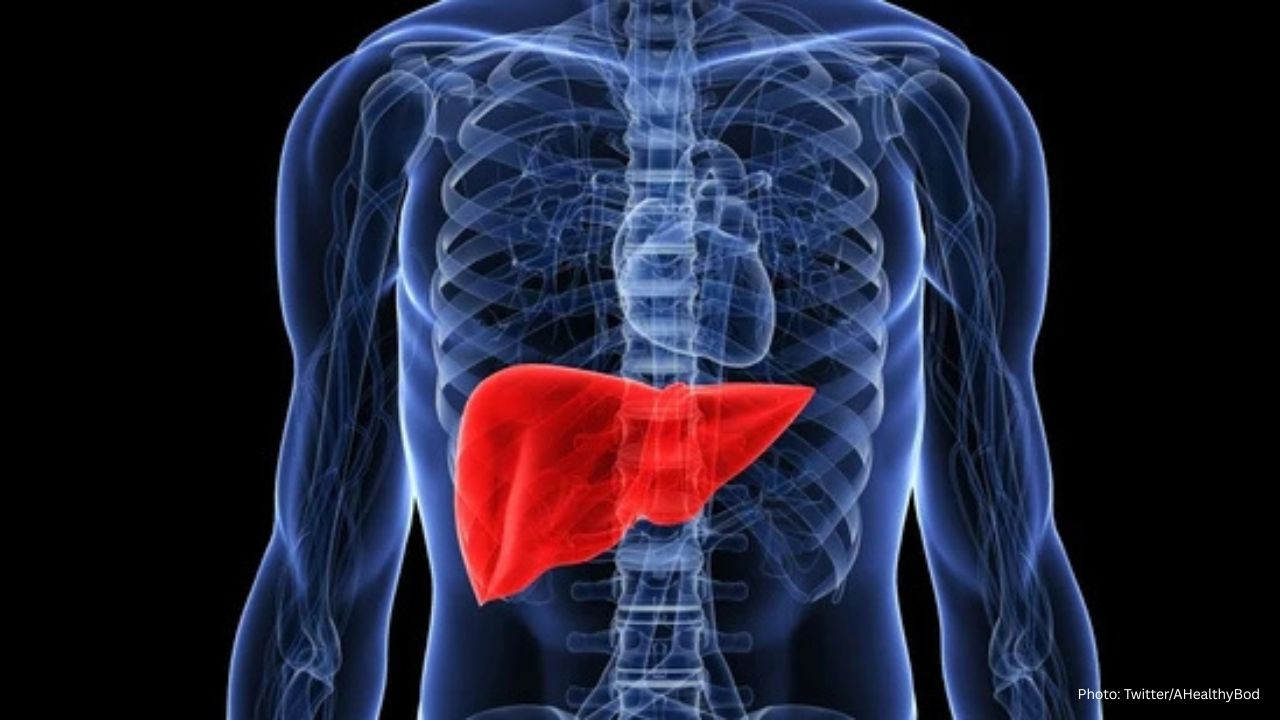
Liver issues are on the rise globally, and health professionals attribute much of this to our daily behaviors. A recent report in the Journal of Hepatology found nearly two million deaths each year linked to liver diseases, equating to one out of every 25 fatalities worldwide being related to liver dysfunction. As sedentary lifestyles and unhealthy habits become more prevalent, these figures continue to climb.
Dr. Joseph Salhab, a gastroenterologist from Florida, emphasizes the need for better liver care. He lists three frequent behaviors that can covertly damage the liver without presenting early warning signs, encouraging people to take proactive steps in managing their health.
1. Regular Daily Alcohol Consumption
Dr. Salhab warns that daily alcohol intake poses significant risks to liver health. Contrary to the belief that only heavy drinking is detrimental, routine moderate drinking can gradually harm liver cells. This can ultimately result in severe conditions such as fatty liver, inflammation, and liver failure. He stressed that both the duration and amount of alcohol consumed matter equally.
As the liver processes alcohol, excessive intake can overstress this vital organ, leading to its deterioration over time.
2. Sedentary Lifestyle and Inactivity
Today’s lifestyle is increasingly inactive, with many people spending extended periods sitting at workstations, shunning exercise, and adopting irregular schedules. This inactivity contributes to fat accumulation in the liver, raising the risk of fatty liver disease. An overloaded liver hampers overall functionality.
Experts suggest that including at least 30 minutes of physical activity daily can significantly aid liver health. Simple movements like walking or stretching can enhance liver function, digestion, metabolism, and overall vitality.
3. Poor Dietary Choices
Your diet plays a crucial role in liver wellness. Consuming high-sugar, processed foods, greasy snacks, and fast food can lead to fat buildup in the liver. Eating late or overeating can further deteriorate liver function.
Healthcare professionals advise maintaining a balanced, nutritious diet consisting of fruits, vegetables, whole grains, lean proteins, and adequate hydration. These elements are essential for assisting the liver in filtering toxins and healing itself.
Importance of Early Intervention
The liver often shows no early symptoms of damage, and individuals frequently become aware of liver issues only when they manifest severely. Therefore, cultivating healthy daily practices is essential for preventive care. Early intervention can avert substantial long-term effects.
Dr. Salhab encourages individuals to implement gradual but consistent lifestyle changes such as reducing alcohol intake, remaining active, and eating a clean diet while monitoring for symptoms like fatigue, bloating, or discomfort. If any irregular signs present themselves, it’s prudent to seek medical advice promptly.