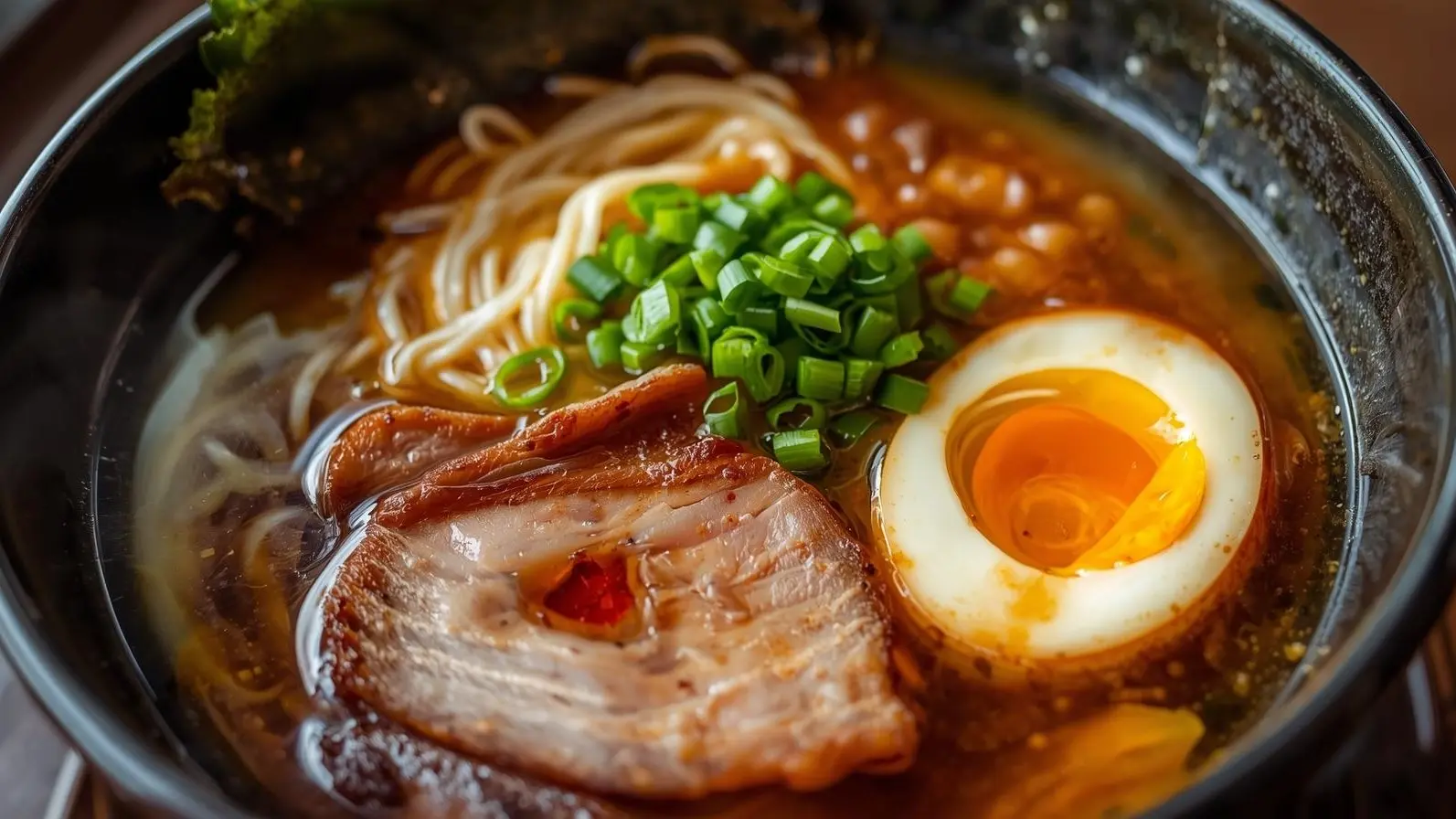
Exploring Japanese Ramen
Japanese ramen is a beloved noodle soup that captures the essence of warmth, featuring a rich broth, hearty noodles, and savory toppings. While traditional ramen often requires special utensils and intricate cooking methods, you can achieve a deliciously authentic version right in your kitchen without any professional equipment. With just basic kitchen tools and readily available ingredients, homemade Japanese ramen is within reach for everyone.
Getting Started
Preparing ramen at home might seem daunting, yet it’s quite manageable. Many shy away from the task thinking they need elaborate broths or machinery. This guide simplifies the process, presenting a beginner-friendly ramen recipe that emphasizes flavor, practicality, and common kitchen items.
Why Ramen Is Unique
Ramen offers more than mere noodles and soup.
• A broth rich in flavor
• Well-seasoned noodles
• Thoughtfully chosen toppings
• Umami-packed seasoning
Even a straightforward version can be delightful when properly prepared.
Simplified Overview of Ramen Broths
Knowing about broth can elevate flavors.
Soy Sauce Broth
This broth is light yet flavorful.
• Savory with a touch of saltiness
• Easy for at-home preparation
• Perfect for novices
Miso Broth
Rich and warming.
• Offering a sweet and salty balance
• Ideal for cooler days
• Adds richness without confusion
Chicken Broth
The most accessible option at home.
• Comforting and mild
• Easily enhanced with various spices
• Serves as the base for numerous ramen styles
This recipe showcases a simple chicken broth with a hint of soy.
Ingredients for Homemade Japanese Ramen
Broth Ingredients
• Chicken stock or plain water
• Garlic
• Ginger
• Soy sauce
• Sesame oil
• Salt to taste
• Black pepper
Noodle Ingredients
• Plain wheat noodles or unseasoned instant ramen noodles
Topping Ingredients
• Hard-boiled eggs
• Spring onions
• Cooked chicken or tofu
• Mushrooms
• Corn or spinach
These components are adjustable based on what’s available.
Kitchen Tools Required
No special apparatus needed.
• Standard cooking pot
• Frying pan
• Knife and cutting board
• Ladle
• Serving bowl
Common household tools suffice.
Step-by-Step Guide to Japanese Ramen
Step One: Prepare the Broth
The broth is where it all begins.
• Heat sesame oil in a pot
• Add minced garlic and ginger
• Sauté until fragrant
• Pour in chicken stock or water
• Allow to simmer for around 15–20 minutes
This forms a richly flavored base.
Step Two: Season the Broth
Seasoning is crucial for depth.
• Gradually incorporate soy sauce
• Adjust salt carefully
• Add a dash of black pepper
Tasting and balancing are key.
Step Three: Noodle Preparation
Cook noodles separately.
• Bring water to a boil in another pot
• Cook noodles per package directions
• Drain and rinse gently
This avoids clouding the broth.
Step Four: Topping Preparation
Toppings provide both texture and flavor.
• Boil eggs and halve them
• Cook chicken lightly seasoned
• Sauté mushrooms briefly
• Chop the spring onions
Ensure toppings are ready for assembly.
Step Five: Assemble Your Ramen Bowl
Presentation plays a role in both taste and appearance.
• Place noodles in a deep bowl
• Pour hot broth over the noodles
• Neatly arrange the toppings
• Finish with a drizzle of sesame oil
Serve hot for the best experience.
Flavor-Enhancing Tips Without Special Tools
Smart Use of Aromatics
Garlic and ginger build flavor even in brief cooking times.
Salt Balance
Gradually add soy sauce to keep the broth from being overwhelmed.
Layer Your Flavors
Season broth, noodles, and toppings separately instead of overpowering one.
Opt for Fresh Ingredients
Fresh vegetables and herbs naturally enhance flavor.
Common Pitfalls to Avoid
Avoiding errors can improve results.
• Overcooking the noodles
• Adding all seasoning at once
• Excessive oil
• Skipping aromatics
Attention to detail makes a significant difference.
Vegetarian and Vegan Options
Ramen can easily be made plant-based.
• Substitute vegetable stock
• Use tofu in place of chicken
• Incorporate mushrooms for added umami
• Miso can enhance richness
This variation offers a comforting, tasty experience.
Making Ramen Healthier at Home
Homemade ramen can be nutritious.
• Moderate salt intake
• Incorporate more vegetables
• Choose lean proteins
• Avoid prepackaged seasoning mixes
Cooking at home grants better nutritional control.
Storage Tips for Leftovers
Fresh ramen tastes best, but leftovers can be used effectively.
• Store broth and noodles separately
• Refrigerate for up to 24 hours
• Gently reheat broth
• Cook fresh noodles when possible
This keeps the flavors fresh.
Why You Should Try Homemade Ramen
Trying your hand at ramen at home comes with several advantages.
• Economical
• Flavors can be tailored
• Healthier than instant options
• A fun culinary challenge
Experience the comfort of restaurant-style ramen right at home.
Ideal Moments for Homemade Ramen
Ramen suits a variety of occasions.
• Cozy weekends
• Rainy days
• Family gatherings
• Quick meals for one
Its versatility makes it a favorite among many.
Final Insights for New Cooks
Gaining confidence enhances your results.
• Taste your dish as it cooks
• Keep flavors straightforward
• Practice will improve your balance
• Enjoy each cooking opportunity
With practice, cooking ramen becomes easier.
Closing Thoughts
Creating a Japanese ramen dish at home without specialized tools is not only feasible but also enjoyable. By focusing on straightforward broth preparation, balanced seasoning, and fresh toppings, anyone can craft a comforting bowl of ramen using typical kitchen items. This beginner-friendly method demonstrates that delightful Japanese flavors can be achieved without elaborate techniques; it simply requires care, patience, and quality ingredients.
Disclaimer
Note that this article is for informational purposes only. Variations in ingredient availability and taste preferences may occur. Adjust quantities and components to suit personal dietary needs and preferences.