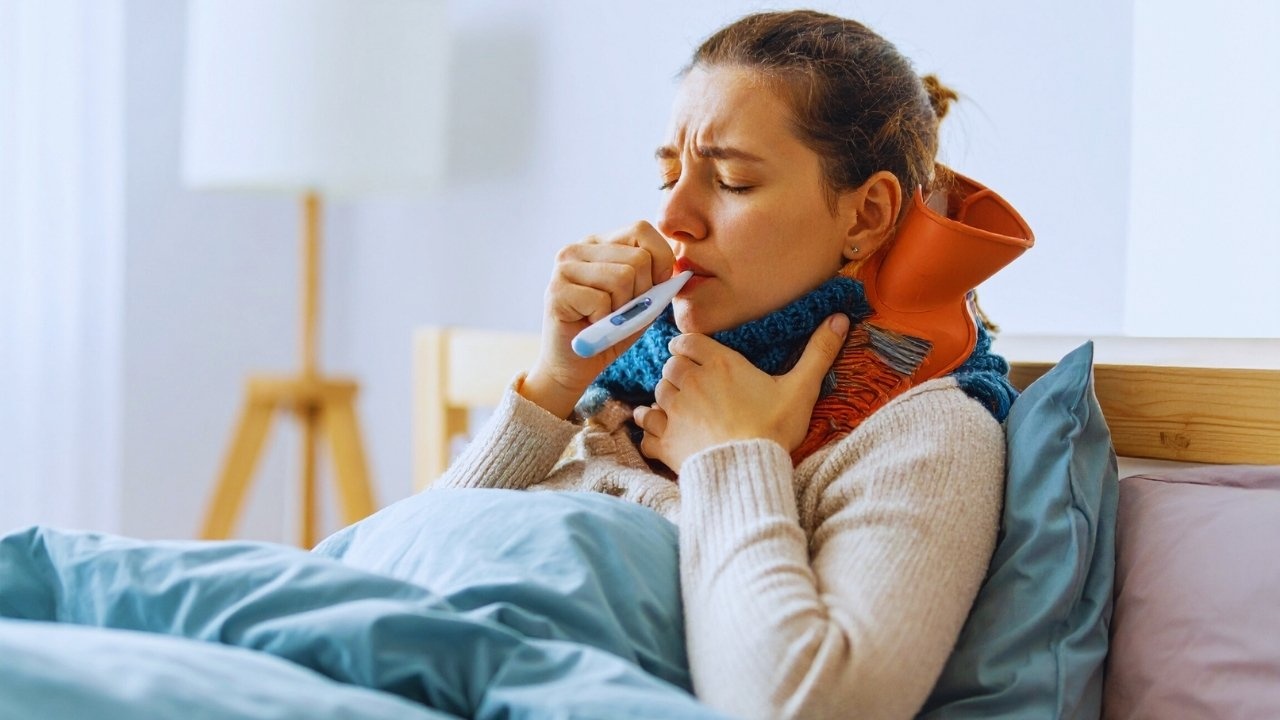
Coughs and colds are prevalent illnesses that many encounter. Factors such as changing weather, pollution, extended air conditioning exposure, and viral infections lead to throat discomfort, congestion, and overall fatigue. Typically, mild symptoms can be managed at home with rest, hydration, and basic treatments. However, when coughs linger or symptoms worsen, it raises an important question: Is it time to see a doctor?
Recognizing when to seek medical advice is key. Not every symptom demands medication, and not every mild fever should be disregarded. This informative guide aims to provide you with tangible clarity on home care solutions versus when a visit to a healthcare professional is necessary.
Grasping Coughs and Colds: Decoding the Symptoms
The majority of coughs and colds stem from viral infections. Your body's immune system combats these viruses, which is why recuperation is largely reliant on rest, hydration, and supportive care rather than immediate medication.
Understanding Body Responses
-
Coughing assists in clearing the airways
-
Sneezing expels irritants
-
Runny nose helps eliminate viruses and allergens
-
Sore throat results from inflammation
-
Mild fever indicates immune activation
These reactions are defensive in nature, meaning sometimes the body just requires time and care.
Types of Coughs — Distinguishing Between Them
Identifying the type of cough can aid in selecting the appropriate treatment.
Dry Cough
-
An irritating tickle with minimal mucus
-
Often instigated by viruses, dust, smoke, or allergies
Wet / Productive Cough
Allergic Cough
Post-Infection Cough
A better understanding of your cough type enables more effective care.
Typical Duration of Common Cold Symptoms
| Symptom |
Expected Duration |
| Sore throat |
1–3 days |
| Blocked nose & sneezing |
2–4 days |
| Cough |
1–3 weeks (varies) |
| Fatigue |
A few days |
Slow recovery doesn’t always signal an issue — immune restoration requires time.
Effective Home Care Strategies
For milder symptoms, home remedies can often suffice. These methods provide comfort and support healing.
Warm Fluids & Hydration
Warm beverages, soups, and herbal teas can soothe the throat and help ease mucus.
Steam & Warm Showers
Inhaling steam alleviates nasal congestion, while warm showers help relax the body.
Rest & Sleep
Recovery is enhanced when the body is allowed to rest. Overexertion hampers healing.
Salt Water Gargles
This technique can alleviate throat discomfort effectively.
Honey (for adults)
A mixture of warm water and honey can soothe a sore throat, with additions like black pepper or ginger for extra relief.
(Avoid for children under one year.)
Traditional Comforts
Using ingredients like ginger, turmeric milk, and black pepper can support well-being, though they are not miracle cures.
Maintaining Humidity
Dry air can exacerbate coughing. Keep any area well-hydrated with:
This is particularly helpful in colder months.
Avoid During Recovery
-
Chilled drinks that may cause irritation
-
High sugar products
-
Smoking or tobacco exposure
-
Dust exposure
-
Powerful fragrances
-
Greasy foods when appetite is low
Choosing comfort-oriented options can help support faster healing.
When to Seek Help for Coughs & Colds — Key Indicators
Not all symptoms require rapid doctor visits. However, if you observe these signs, seek professional advice promptly:
-
Fever persisting over 2–3 days
-
High or fluctuating fever
-
Breathing issues or wheezing
-
Chest discomfort
-
Bluish shade of lips or nails
-
Severe sore throat impacting swallowing
-
Chronic cough lasting beyond 3 weeks
-
Frequent vomiting
-
Intense lethargy or confusion
-
Infants showing any symptoms
-
Worsening symptoms in anyone with chronic conditions
Such signs warrant medical attention rather than solely relying on home remedies.
Understanding When Antibiotics Are Unneeded
Antibiotics are ineffective against viruses; they are prescribed solely for bacterial infections. Misuse can negatively impact gut health and resilience.
Cough still present after a cold has passed? This does not inherently indicate an infection; inflammation often takes time to resolve.
Only utilize medications when they are prescribed by a health professional.
Unique Considerations
Consulting a doctor is particularly vital when symptoms involve:
-
Infants and toddlers
-
Senior individuals
-
Those with weakened immune systems
-
Individuals with pre-existing respiratory issues
-
Chronic condition patients
Acting early helps to avoid complications.
Simple Daily Relief Routine
Morning:
Warm water + light stretching + gentle steam
Day:
Stay hydrated
Consume light meals — khichdi, soup, rice and dal, oats
Incorporate rest breaks
Evening:
Take a warm shower
Utilize a humidifier or steam
If energy allows, have a light stroll
Night:
Aim for early sleep
Sip warm water
Utilize an elevated pillow for ease in breathing
Small daily adjustments can lead to significant improvements.
Importance of Body Signals
Many hesitate to seek help, thinking:
Recognizing signals early can mitigate stress later on.
If any symptom feels unusual, stronger, or prolonged — trust your instincts.
Awareness combined with prompt action ensures healthier outcomes.
Supporting Family Members
For children and seniors, offering comfort and hydration is vital.
Workplace adults require rest and respite.
Be cautious of self-medicating; individual responses vary.
Recovery isn’t a race — allow your body to heal at its own pace.
Final Thought
Coughs and colds are an inevitable part of life. They can be bothersome, but mostly, they require patience, care, and rest rather than panic or over-treatment. Remaining alert to warning signs guarantees safety and tranquility.
Pay attention to the signals your body provides.
Act thoughtfully, and give yourself the time to recover.
Comfort symbolizes care.
Rest serves as medicine.
Awareness embodies strength.
Be gentle with yourself — healing thrives in compassion.
Disclaimer:
This article shares general health insights and should not replace qualified medical diagnosis or treatment. Seek professional medical advice if symptoms aggravate or persist.