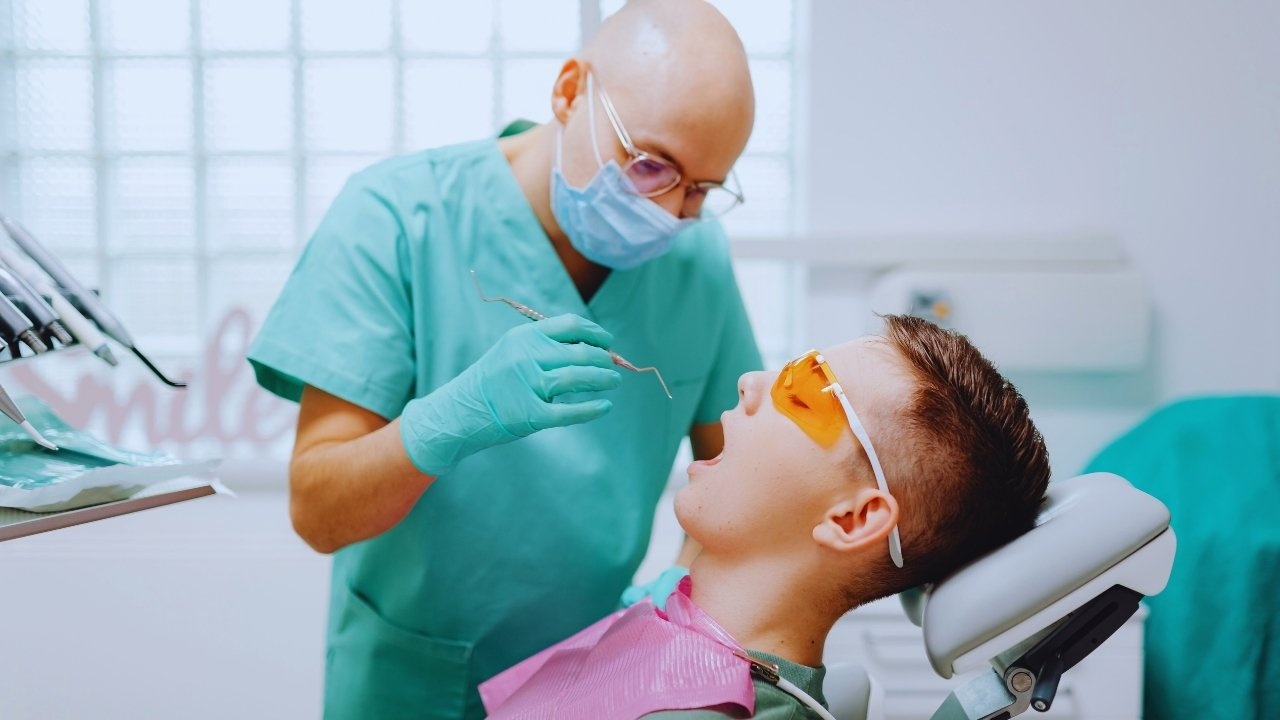
Understanding Dental Expenses and the Importance of Prevention
Dental care often appears expensive, but the true costs arise from neglecting oral health over time. Issues like cavities, gum infections, and enamel erosion start small and escalate when untreated. Many wait until pain demands attention, often resulting in more invasive procedures.
The bright side? Most dental woes can be sidestepped with preventive measures. Adopting simple, everyday habits ensures your teeth and gums remain healthy without frequent trips to the dentist. True savings lie in consistent, inexpensive practices.
This guide reveals affordable routines that can help secure your oral health, demonstrating how minor actions today can avert bigger costs tomorrow.
How Neglect Leads to Dental Issues and Preventive Practices
Your routine habits, from what you eat to how you brush, significantly impact oral health. Plaque formation is the first step to serious issues and can harden into tartar without proper cleaning.
Costs escalate when:
• Tartar replaces plaque
• Cavities deepen extensively
• Gum infections spread
• Enamel wears away severely
• Tooth roots become uncovered
• Long-term negligence leads to extractions
These problems develop slowly, making early prevention both cost-effective and essential.
The Foundation of Dental Health: Correct Brushing
Brushing is crucial, yet many people do it incorrectly or too hurriedly.
Key brushing techniques encompass:
1. Brush morning and night
Nighttime brushing is vital as bacteria thrive on food remnants.
2. Commit to two minutes
Most people rush, brushing only for 20-30 seconds.
3. Employ gentle strokes
Brushing hard can harm both gums and enamel.
4. Angle the brush effectively
Holding the brush at 45 degrees targets plaque build-up at the gum line.
5. Don’t forget your tongue
The tongue harbors bacteria leading to bad breath.
Adopting a proper brushing routine is an easy and free way to address major dental concerns.
Finding the Right Toothbrush on a Budget
There's no need for an extravagant toothbrush.
Effective budget options include:
• A soft-bristled manual toothbrush
• A basic electric toothbrush (optional)
Avoid:
• Hard-bristled brushes
• Cheaper brushes that don’t have uniform bristles
• Brushes that can damage gums
Soft bristles are kinder to both gums and enamel, cutting long-term damage.
Why Fluoride Toothpaste Shouldn’t Be Optional
Fluoride is essential for reinforcing enamel and hindering cavity formation. You don’t need a high-end toothpaste; any basic fluoride formula does the job.
Advantages of fluoride toothpaste include:
• Strengthening of enamel
• Diminishing cavity risk
• Helping reverse initial tooth decay
• Offering ongoing protection
Don’t frequently swap pastes—many specialty brands can be damaging and pricey.
Mastering Flossing on a Budget
Flossing is vital for preventing gum disease, often pricier to treat than cavities. It’s not a choice, but a necessity.
Importance of flossing:
• Cleans areas unreachable by brushing
• Minimizes gum bleeding
• Eliminates food particles that contribute to decay
• Reduces tartar build-up
Cost-effective flossing options:
• Basic floss
• Water flossers (optional for certain conditions)
Two minutes of daily flossing can result in long-term savings on gum treatments.
Using Mouthwash Wisely: Cost vs. Necessity
Mouthwash can be advantageous but isn’t vital for everyone every day.
Beneficial for:
• Individuals with gum concerns
• Ongoing bad breath
• Those with braces
• People suffering dry mouth
Skip it if:
• You maintain a thorough brushing and flossing routine
• You lack gum issues
A standard, alcohol-free mouthwash suffices; fancy kinds aren’t necessary unless prescribed by a dentist.
Protective Dietary Practices for Dental Health
Your dietary choices dramatically influence dental health. Daily food decisions can either strengthen teeth or promote decay.
Beneficial foods for oral health:
• Dairy products like cheese and milk (strengthen enamel)
• Eggs (contain vitamin D)
• Leafy greens
• Whole fruits like apples
• Crunchy veggies
• Nuts
• Staying hydrated
Foods to limit for better dental health:
• Sugary treats
• Sticky candies
• Soft drinks
• Bottled juices
• Overconsumption of coffee or tea
• White bread
• Frequent acidic food intake
A cost-effective diet that supports your teeth is rooted in wholesome foods, not extravagant brands.
Timing Your Meals Matters
Avoiding dental issues relies not just on what you eat, but when and how frequently you eat.
Cost-free habits to minimize damage:
1. Limit snacking
Every snack triggers acid production in the mouth.
2. Hydrate after meals
This helps wash away food debris.
3. Avoid sleeping soon after sugary snacks
Overnight, sugars can fuel bacteria growth.
4. Rinse after beverages
This minimizes enamel erosion and staining.
These awareness-based habits come at no cost.
Oil Pulling: An Economical Oral Care Supplement
Oil pulling with coconut or sesame oil is a low-cost practice that may benefit some.
Benefits include:
• Lower bacteria count
• Fresher breath
• Cleaner tongue
• Subtle whitening
Performing this for five minutes each morning is advisable—not a substitute for brushing, but a beneficial complement.
Hydration: The Easiest Way to Sustain Oral Care
Mouth dryness can hasten decay since saliva protects enamel.
Stay hydrated to:
• Enhance natural antibacterial properties
• Mitigate bad breath
• Prevent decay from dryness
• Promote healthy gums
Water is the simplest and most cost-effective protector for your oral health.
Preventing Gum Disease on a Budget
Gum disease treatments can be quite expensive, but simple prevention methods are effective and affordable.
Daily protective practices for gums:
• Brush gently along the gum line
• Floss consistently
• Steer clear of tobacco
• Incorporate more fiber-rich foods
• Stay hydrated
• Occasionally massage gums
• Address gum bleeding immediately
Maintaining healthy gums prolongs the life of teeth and reduces costly treatments.
Managing Tooth Sensitivity Affordably
Ignoring tooth sensitivity can lead to larger problems requiring costly interventions.
Simple sensitivity management:
• Opt for desensitising toothpaste
• Skip harsh whitening products
• Limit acidic items
• Utilize a soft-bristle brush
• Attend to grinding or clenching habits
Most sensitivity issues can effectively be treated at home using budget-friendly methods.
Protecting Against Bruxism Without Financial Strain
Teeth grinding can cause enamel damage over time.
Cost-effective measures to take:
• Avoid caffeine before bedtime
• Relax the jaw using warm compresses
• Engage in gentle facial and jaw exercises
• Reduce overall stress levels
• Sleep in side or back positions, staying away from face-down
While severe cases might need custom solutions, many manage mild grinding through lifestyle tweaks.
Smoking: The Costliest Oral Health Habit
Tobacco significantly contributes to:
• Gum diseases
• Tooth loss
• Staining
• Bad breath
• Prolonged healing
Quitting not only benefits your health but also saves money on dental expenses.
Building Healthy Dental Habits in Children
Instilling proper dental practices in kids early can prevent substantial dental expenses later.
Essential habits for children:
• Brush twice daily
• Limit sticky candies
• Opt for water instead of juice
• Avoid prolonged thumb-sucking
• Use fluoride toothpaste
• Introduce flossing as soon as teeth touch
Foundational dental habits developed in childhood influence lifelong oral health.
Importance of Regular Dental Check-Ups
Only visiting the dentist when issues arise can be costly. Routine check-ups are key to evading higher costs.
Schedule a dentist visit if:
• Pain lasts longer than a day
• Frequent gum bleeding occurs
• Sudden tooth sensitivity arises
• Bad breath persists
• You notice any swelling
• Grinding teeth becomes noticeable at night
• You feel looseness in a filling or crown
Addressing minor issues early results in considerable savings.
Affordable Dental Visits: Preventive Cleanings
Routine cleanings are much less expensive than complex treatments. Scheduling cleanings every 6-12 months prevents plaque, gum disease, and bigger cavities.
Think of cleanings as a vehicle service—they help avert larger, more costly problems.
Avoiding DIY Dental Myths
Some popular home remedies can inadvertently harm rather than help.
Steer clear of:
• Brushing with lemon or baking soda
• Regular use of charcoal toothpaste
• Using salt to whiten teeth
• Applying vinegar to teeth
• Overly aggressive scrubbing
These practices can lead to enamel damage and subsequent expenses.
Final Thoughts
To achieve good dental health, avoid costly treatments by developing consistent, budget-friendly habits. The way you brush, floss, rinse, eat, and hydrate greatly influences your oral health more than the dental products you use. Simple, repetitive actions shield your teeth from plaque, decay, gum issues, and excessive costs.
Prevention represents the most affordable dental care approach, and these practices can be adopted by any household. By caring for your teeth daily, you'll significantly reduce the need for complex interventions, resulting in a healthier mouth and lighter financial strain.
Disclaimer:
This article is meant for general informational purposes regarding oral health and should not replace professional dental advice or treatment. Those experiencing ongoing pain or dental issues are encouraged to contact a qualified dentist.