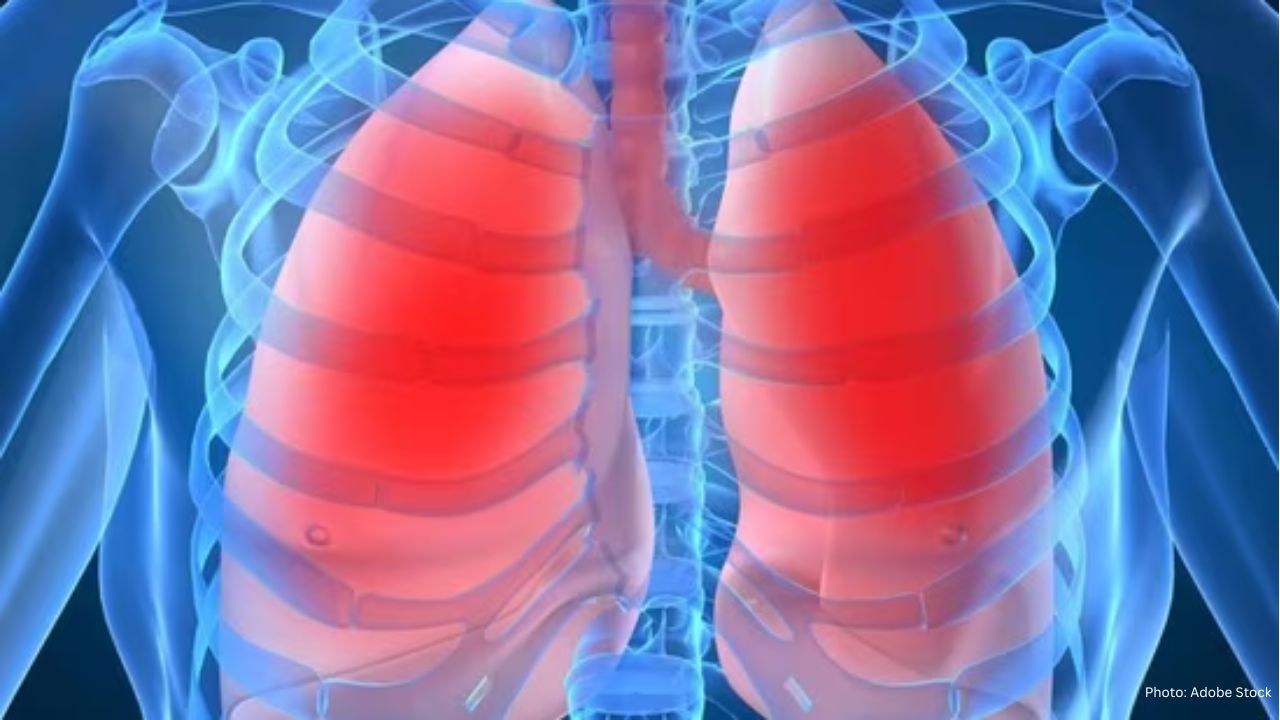
Chronic Obstructive Pulmonary Disease, or COPD, ranks among the most severe lung ailments globally. As reported by the World Health Organization, it is the fourth leading cause of mortality trailing heart disease, stroke, and lower respiratory illnesses. Misinformation surrounding COPD is prevalent, causing critical delays in diagnosis and treatment.
Traditionally associated with smoking, COPD can arise from indoor air pollution, cooking smoke, workplace dust, and other harmful air particles. Particularly in nations like India, late or misdiagnosis is common, hindering timely care. Lung specialist Dr. Raja Dhar from CK Birla Hospitals in Kolkata outlines five prevalent myths that complicate patient understanding and care.
One pervasive myth is that only heavy smokers can develop COPD. Dr. Dhar asserts that this is misleading; numerous non-smokers are diagnosed with COPD, particularly in rural India, where many families rely on wood and biomass fuels for cooking in poorly ventilated spaces. This smoke can increase COPD risk by three times compared to tobacco exposure. Dr. Dhar emphasizes that addressing this issue requires both medical and environmental awareness.
Another misconception is that COPD predominantly affects older adults. Dr. Dhar highlights that while symptoms may manifest later, lung damage can initiate at a much younger age. He recounts the case of a 26-year-old man who faced severe respiratory issues after extended exposure to cooking smoke. Genetic conditions like Alpha-1 Antitrypsin Deficiency can also lead to early-onset COPD, necessitating aggressive treatment.
Many erroneously believe residing in cleaner areas shields them from COPD. In reality, many regions, including India, experience hazardous pollution levels that expose nearly everyone to health risks. Harmful indoor pollutants like incense smoke and even proximity to industrial zones can adversely affect lung health. Dr. Dhar insists that clean air is an essential component of health, not a privilege.
There is also a common belief that COPD symptoms remain consistent throughout the year. In truth, winter presents unique challenges, as cold temperatures can trap pollutants closer to the ground, exacerbating breathing difficulties. For COPD sufferers, this can lead to increased coughs, wheezing, and necessitate more frequent hospital visits. Understanding these seasonal fluctuations aids in patient management.
Lastly, some individuals mistakenly believe that relying solely on inhalers suffices for COPD control. While inhalers are an integral part of treatment, Dr. Dhar advises that patients should also secure regular vaccinations, particularly in winter, to prevent flu and respiratory infections. He suggests that both children and the elderly minimize outdoor activities during poor air quality days, and remain vigilant for early signs such as worsened cough, increased mucus, and escalated shortness of breath. Early intervention can mitigate the need for emergency care.
COPD is indeed a grave condition; however, informed understanding, preventive measures, and prompt treatment can significantly enhance management. Dispelling these myths is crucial in safeguarding the lung health of both young and older individuals.