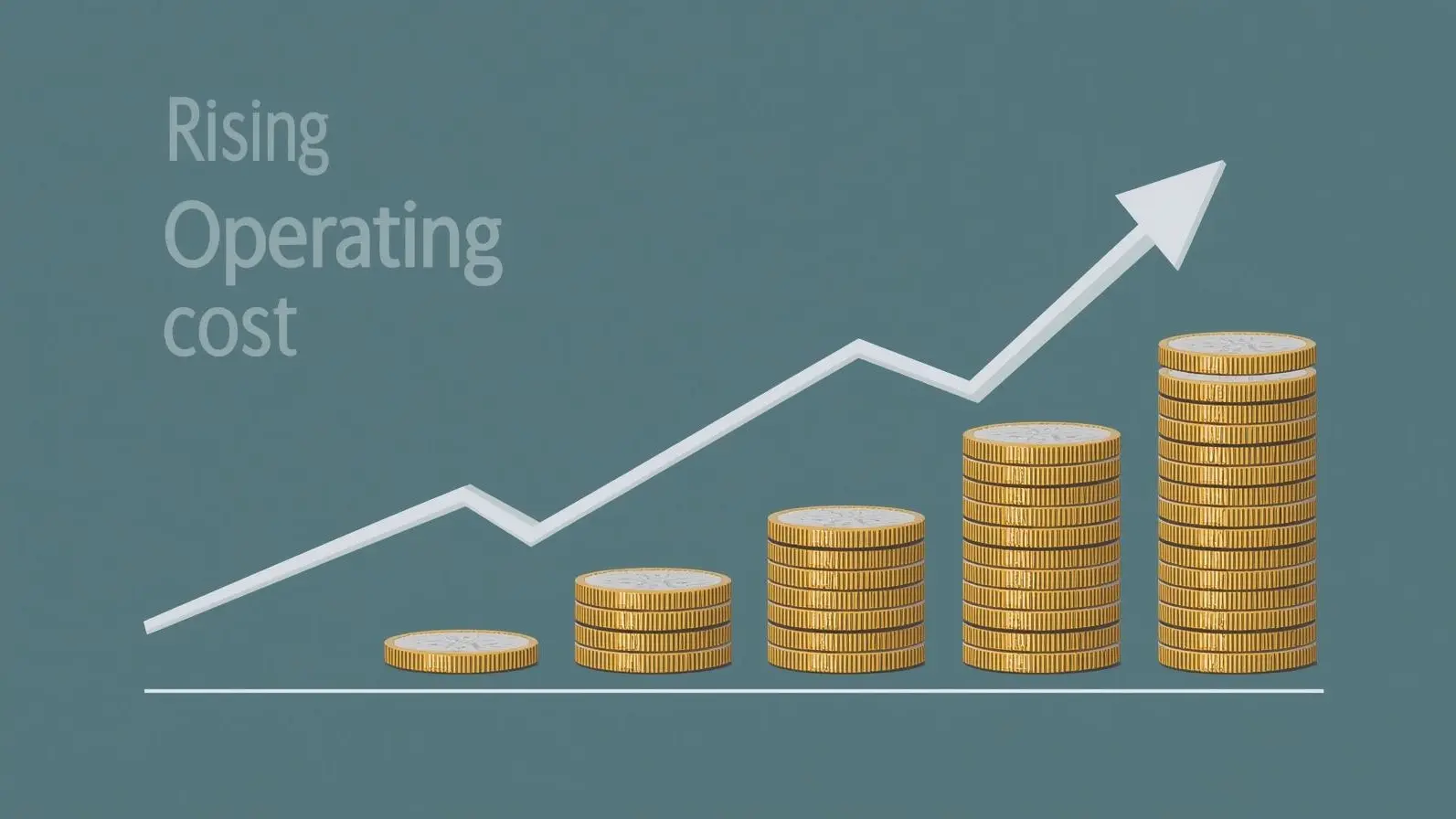
Conquering Rising Operational Costs: Safeguarding Business Profitability
The challenge of rising operational costs is no longer fleeting for local enterprises; it has become a pervasive concern. From increases in rent and utility bills to labor, logistics, technology, and compliance expenses, businesses are feeling the pinch as customers remain meticulously budget-conscious. For many, simply hiking prices poses substantial risks that could diminish foot traffic, attract negative feedback, or alienate loyal customers.
Successful businesses in today’s climate are those that don’t resort to panic or drastic measures; they are the ones that pinpoint financial leaks, optimize operations sensibly, and strategically safeguard profit margins. This guide aims to equip local businesses to respond effectively and sustainably to rising operational expenses without jeopardizing brand integrity or customer trust.
Causes Behind Rising Operating Costs for Local Businesses
Before devising solutions, it’s crucial to comprehend the root causes of escalating costs. Many of these increases are systemic rather than temporary.
Inflation on Core Expenses
Fundamental necessities, including electricity, fuel, water, packaging, and raw materials, have experienced relentless price hikes. Even minor percentage increases can translate to notable monthly outlays.
Labor Cost Dynamics
Today's workforce expects competitive compensation, stable working conditions, flexible hours, and benefits, leading to higher turnover rates and elevated recruitment and training expenses.
Reliance on Technology
While technological tools are imperative, the majority come with subscription fees. Systems for point-of-sale, accounting, customer relationship management, logistics, and marketing contribute to escalating, recurring costs.
Supply Chain Instability
Challenges, including transportation delays, fuel price volatility, and shortages among suppliers, force businesses to incur greater expenses to maintain inventory levels.
Regulatory and Compliance Costs
Mandatory expenditures for licensing, taxes, audits, legal documentation, and compliance measures contribute significantly to overhead and are unavoidable.
These intertwined factors result in thinner profit margins even when sales levels remain stable.
Spotting Hidden Profit Drainers in Your Business
While many enterprises prioritize visible costs, inefficiencies that lurk beneath the surface usually lead to more significant financial losses.
Inventory Mishaps
Excess inventory ties up cash, escalates storage costs, and creates waste. Conversely, insufficient inventory leads to lost sales and unhappy customers.
Subscription Surplus
It’s common for businesses to overlook unnecessary or underused software subscriptions that continue to siphon off resources monthly.
Outdated Supply Agreements
While suppliers frequently increase their prices, many businesses fail to renegotiate contracts, unknowingly paying above-market rates.
Ineffective Procedures
Time-consuming manual tasks, recurring mistakes, and a lack of clear procedures result in higher labor hours and diminished output quality.
Price Discrepancy
Businesses often postpone price adjustments amid rising costs, leading to incremental margin declines.
Resolving internal issues can frequently enhance profitability without resorting to layoffs or price hikes.
Cost Optimization Versus Cost Cutting
Understanding the distinction between cutting and optimizing costs is essential.
Cost cutting involves quickly reducing expenses, often harming quality, team morale, or customer experience. Cost optimization, on the other hand, concentrates on maximizing the return on every dollar spent.
Regularly Assess Expenses
Conduct quarterly expense reviews and categorize them into:
Proactively Renegotiate Vendor Contracts
Vendors typically welcome negotiations, especially during inflationary seasons. Inquire about:
Transition to Variable Costs
Outsource non-essential functions like IT or accounting instead of hiring full-time staff to minimize long-term commitments while preserving quality.
Safeguarding Margins Without Alienating Customers
Increasing prices isn’t the only strategy to protect profit margins. Savvy businesses employ value-driven tactics instead.
Repackage Products
Altering product sizes or service offerings instead of implementing direct price increases helps customers perceive added value without raising costs.
Highlight High-Margin Items
Identify services or products with the highest profit margins and encourage staff to promote them actively.
Implement Tiered Pricing
Provide customers with basic, standard, and premium options to enable choice based on perceived value.
Diminish Discount Reliance
Occasional discounts often undermine perceived value. Replace them with loyalty programs or bundled offers.
Leveraging Technology to Lower Operating Costs
Technology should streamline processes, not inflate costs.
Automate Routine Tasks
Incorporating automation in billing, payroll, inventory management, and scheduling can significantly lower errors and labor reliance.
Utilize Data for Insights
Track sales patterns, peak hours, slow-moving goods, and consumer preferences to reduce waste and enhance decision-making.
Consolidate Software Tools
Instead of juggling various subscriptions, switch to integrated platforms that combine accounting, CRM, inventory, and analytics.
Targeted Marketing Efforts
Transition from broad advertising to targeted initiatives with clear tracking of leads, conversions, and return on investment.
Managing Labor Expenses While Preserving Team Morale
Labor costs often constitute the highest expense and can be challenging to modify.
Enhance Employee Productivity
Well-defined roles, effective training, and optimal workflows boost output without necessitating additional hires.
Flexible Staffing Approaches
Utilize part-time or seasonal workers during peak seasons rather than hiring full-time employees.
Incentivize Performance
Offer rewards for efficiency and customer retention instead of blanket raises.
Minimize Burnout and Turnover
Avoiding high turnover can save on recruitment and training costs; balanced schedules and recognition promote retention and productivity.
Strengthening Cash Flow to Manage Cost Pressures
A robust cash flow serves as a buffer during periods of rising costs.
Accelerate Receivables
Encourage digital payments, advance payments, and shorten credit terms.
Optimize Payables
Utilize complete vendor credit periods to enhance cash flow without jeopardizing partnerships.
Maintain Operating Cash Reserves
Aim for 3–6 months’ worth of operational expenses to cushion against unexpected cost hikes.
Regularly Forecast Expenses
Monthly forecasts allow for preventative adjustments rather than reactive measures.
Sustainable Strategies to Future-Proof Profit Margins
While quick fixes are helpful, lasting businesses prioritize long-term planning.
Foster Strong Customer Loyalty
When customers trust your brand and quality, they become less price-sensitive.
Diversify Income Streams
Incorporate complementary services, subscriptions, or digital products to stabilize revenue.
Collaborate with Local Businesses
Work with neighboring enterprises for shared logistics, joint promotions, or bulk purchasing.
Embrace Continuous Improvement
Cost management should be a consistent practice, not just a response to crises.
The Importance of Acting Early
Businesses that take early action secure better negotiation power, healthier cash flow, and more flexibility. Conversely, those who wait often confront sudden losses, layoffs, or potentially closure.
Maintaining profit margins in a high-cost environment embodies clarity, control, and ongoing optimization.
Disclaimer
This article serves informational and educational purposes only. It does not substitute for financial, legal, or professional advice. Costs and outcomes may differ based on industry, location, and market dynamics. Readers are advised to consult with qualified professionals before implementing significant operational or financial changes.